Beginner Guitar Pedals: 5 Essential Effects to Start With
We've got to start somewhere!

 4,6 / 5,0 |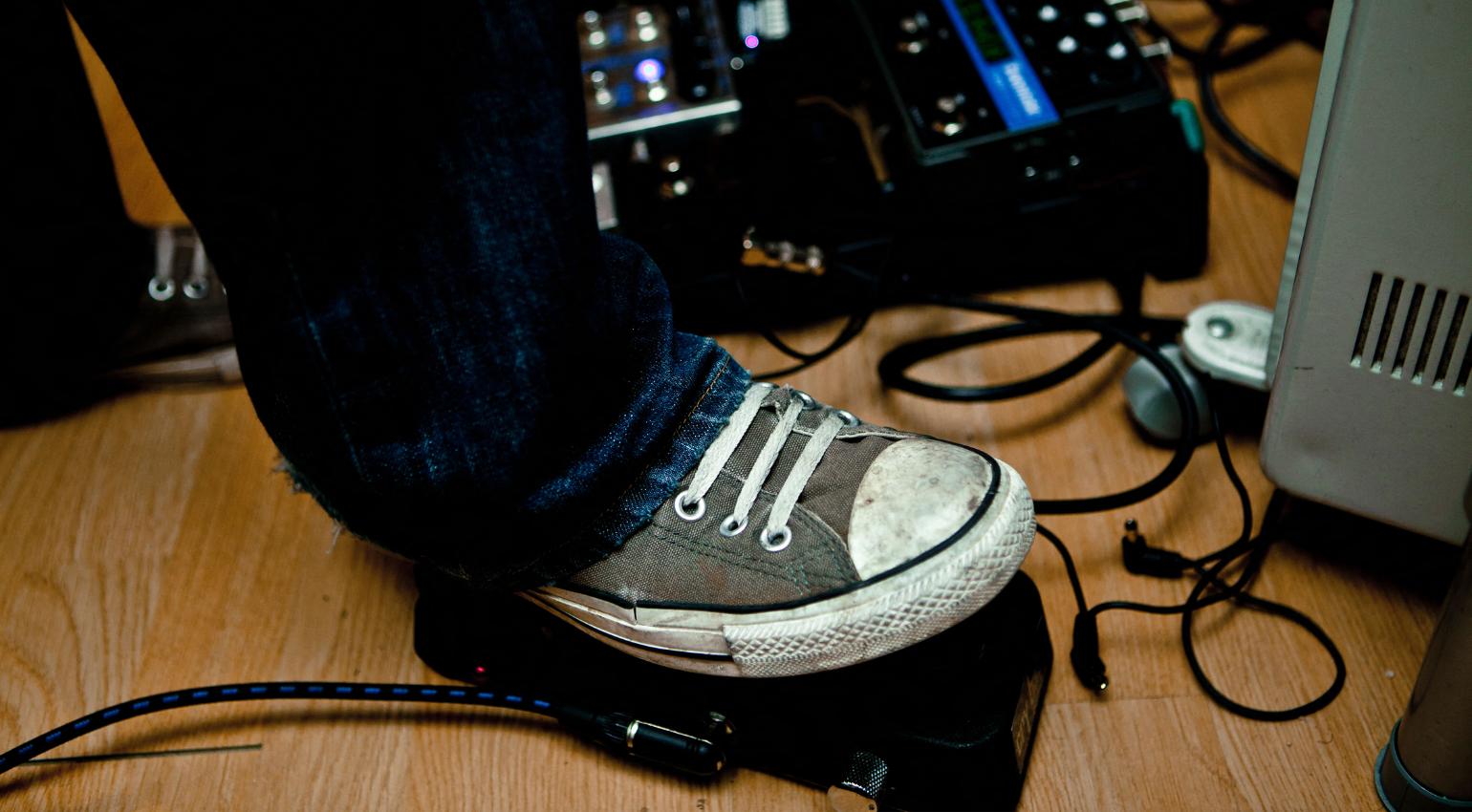
Beginner Guitar Pedals: 5 Essential Effects to Start With · Source: Alamy Stock Photo / Lee Martin

These beginner guitar pedals will start your pedal journey. Learning how to use pedals can feel daunting at first, but these picks will help you and improve your sound.
Types of Pedals:
Key Information about Beginner Guitar Pedals:
- Start simple, and build from there. Beginner guitar pedals should cover the basics. Small changes make big differences to your sound.
- Building a pedalboard? Do it gradually. The best pedals should be easy to use and stack well together. An overcomplicated signal chain is a nightmare.
- Focus on usability over complexity. Learn how to use simple controls and hardware to ensure that you spend more time practising, rather than dialling in effects.
Beginner Guitar Pedals: Where to Start?
As a guitarist, we always hear about the magic of guitar pedals. The meme, just one more pedal I promise, can become a very real thing! But what if you’ve never had any pedals before?
In 2026, the modern player is blessed with sophisticated modelling amps, headphone amps and more! But sometimes you can’t beat some old-school rock ‘ n ‘ roll that is guitar pedals.
As a beginner, it’s best to get hold of some simple pedals that still give you new sounds. However, it’s better to spend more time practising your instrument, rather than messing around with effects. This guide will cover 5 core effects that will help your understanding of guitar pedals.
Harley Benton CPT-20
First up in our look at beginner guitar pedals, we’ve got this tuner pedal from *Harley Benton. Regardless if you’re a beginner or a pro, a tuner is the most important thing that will help you sound good.
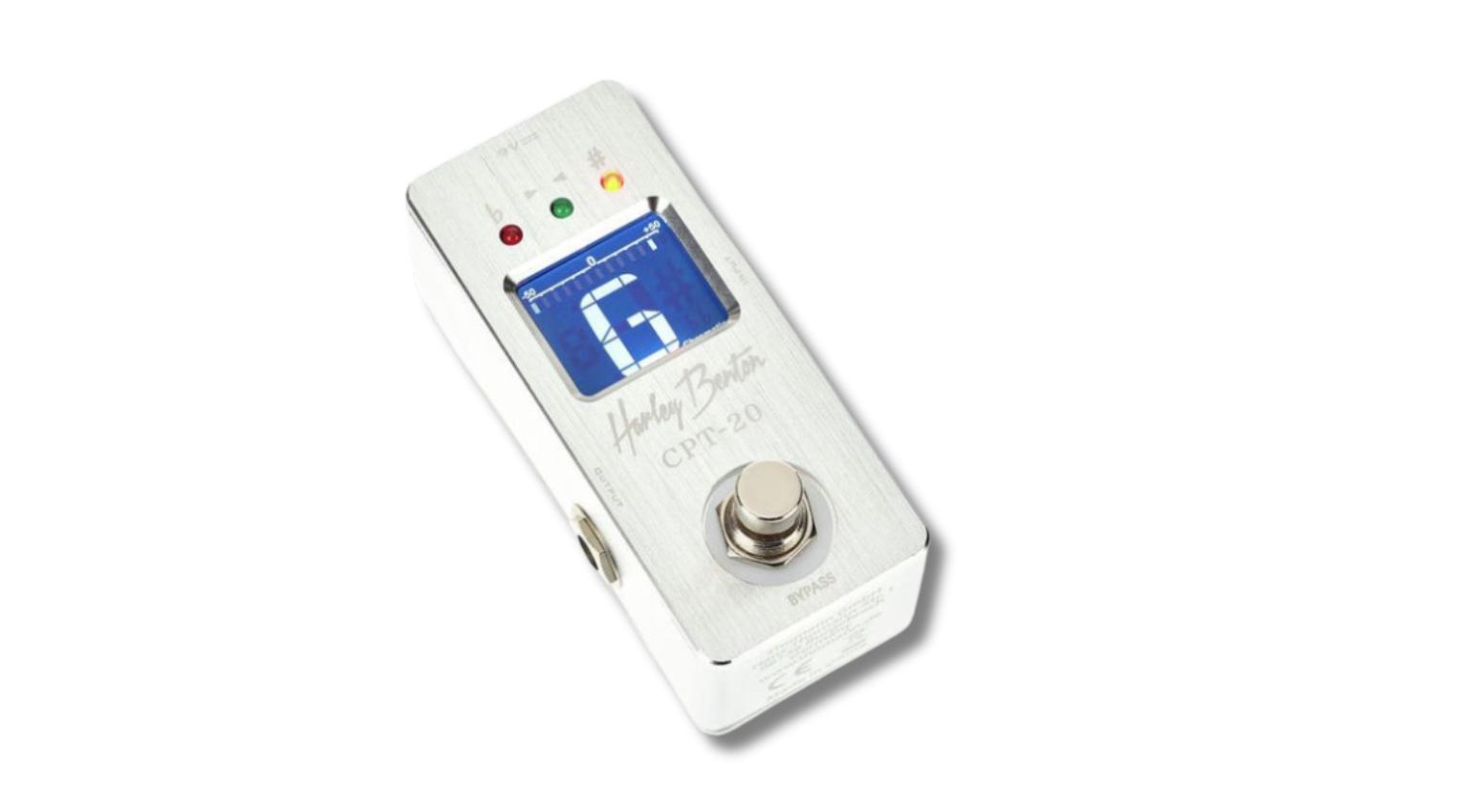
I think that this Harley Benton guitar tuner would make a great purchase for any guitarist. The clear LCD display allows for precise tuning, whether you’re at your first gig or in your bedroom.
Moreover, it’s budget-friendly and does the job just as well as other units. It’ll clot right into your signal chain, no problem, thanks to the true bypass and typical 9V power supply.


- More information on guitar tuners.
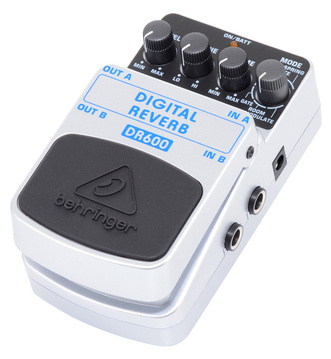
Behringer DR600 Digital Reverb
Now onto something more exciting. Reverb is what we refer to as a a ‘wet’ effect, and it adds some life and ambience to your tone. Most beginner practice amps don’t have reverb, so this could be what you’ve been looking for.
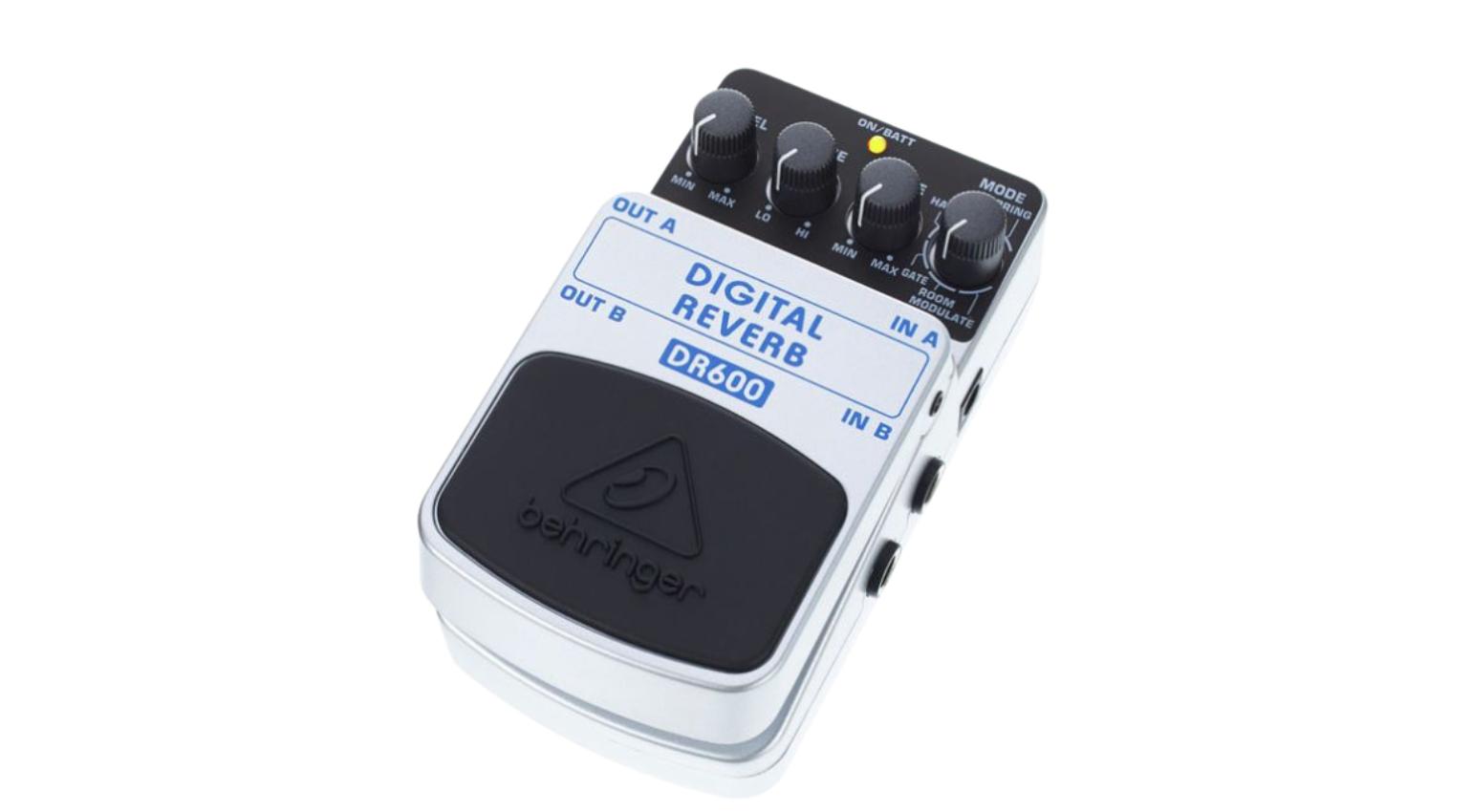
I’ve owned one of these *DR600s from Behringer for 5 years now, and it does the job perfectly. I like that you can use it as a standalone unit, ideal for players without a pedalboard.
Furthermore, it consists of 5 different types of reverb: Gate, Hall, Room, Spring and Plate. Allowing beginners to experiment. There’s 24-bit processing and adjustment for overall tone, time and level.

JHS Pedals Morning Glory Clean Overdrive
What’s so good about the JHS Morning Glory Clean Overdrive? Well, it’s *5% off RRP right now! Oh, and so much more.
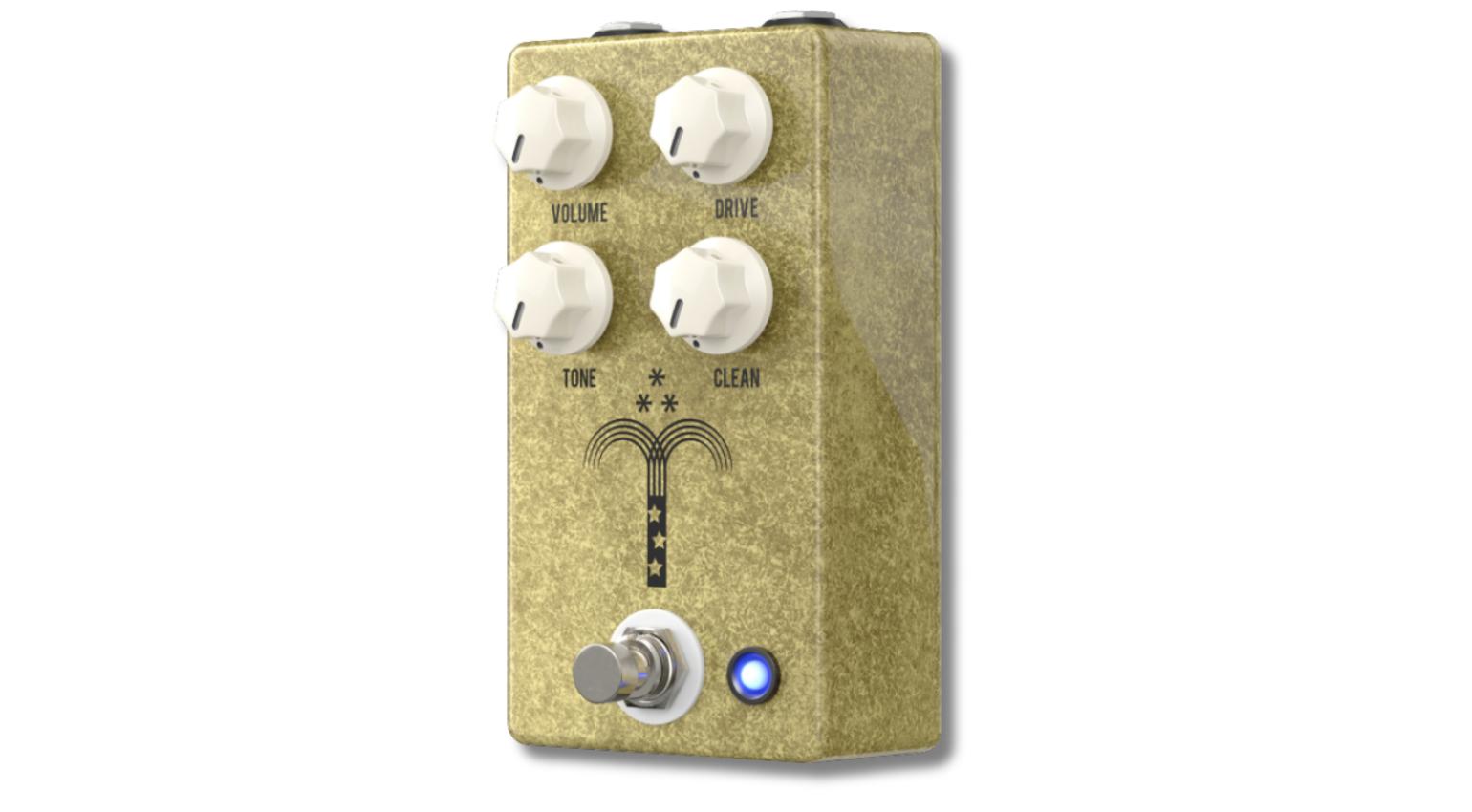
Have you ever gone to play a solo at band practice and totally been lost in the mix? Here’s why you need a booster pedal: to simply raise the volume of your guitar when desired.
This booster pedal from JHS features 4 easy-to-use dials for your overall tone, volume, drive and clean sounds. There’s also a silent buffered bypass, meaning that when it’s off, it’s off, and when it’s on, it’s on. Overall, this ensures a clean boost without any overdrive clipping.

Boss SD-1 Overdrrive
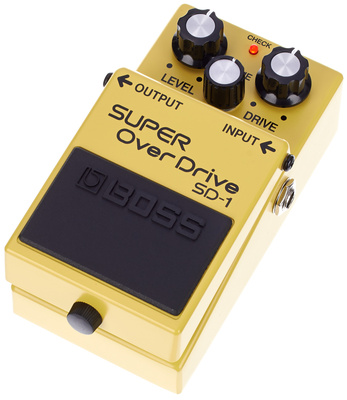
From boost to overdrive, our next beginner guitar pedal is legendary. Everyone should have an SD-1 in their gig bag. For when your amp just doesn’t give you enough bite, send in an overdrive pedal.
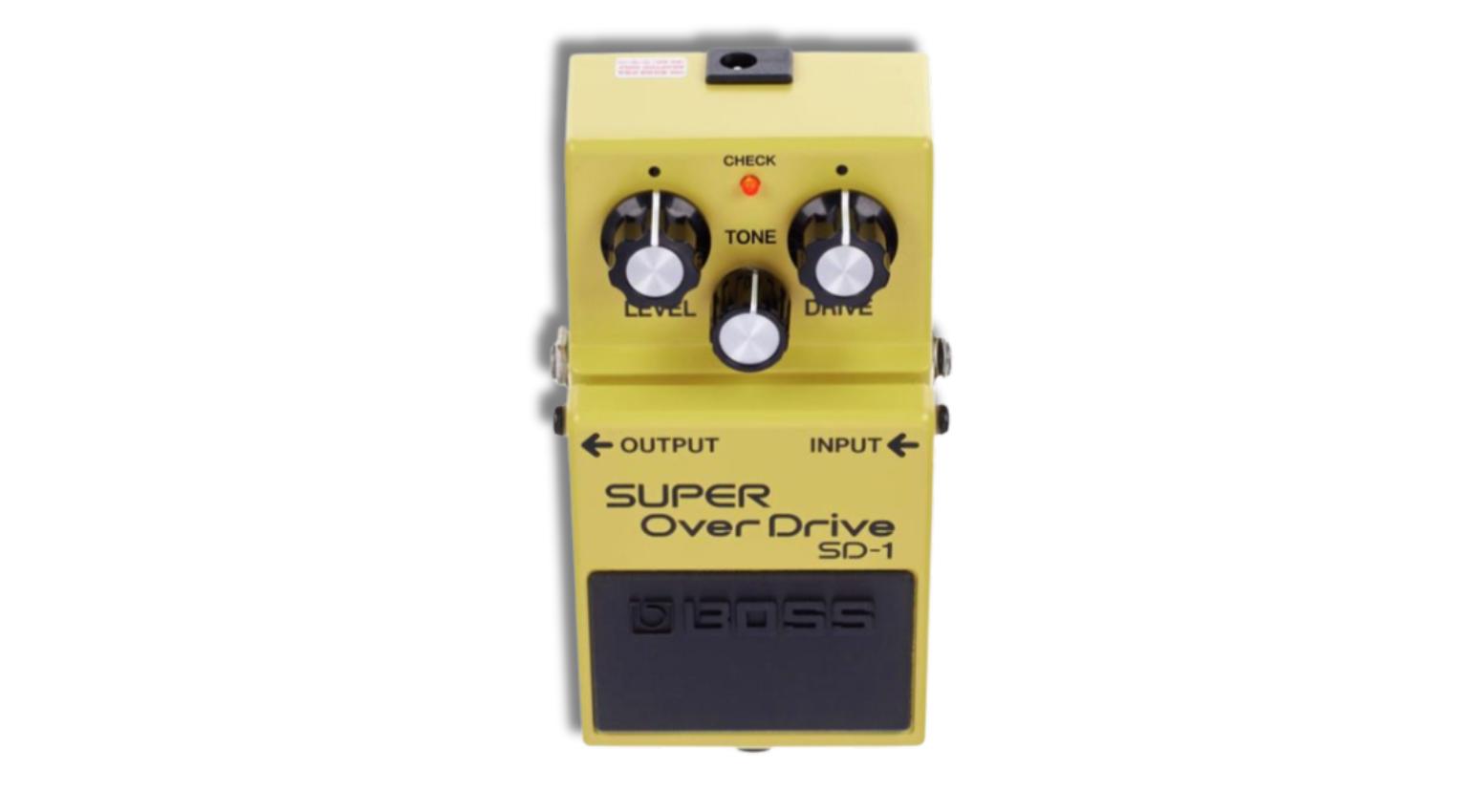
The *Boss SD-1 has been around since the early 1980s and is, and will forever be, the gold standard in overdrive pedals. Well, yellow, not gold.
Overall, this budget-friendly pedal offers warm, tube-like distortion with the ability to dial back your drive, tone and level. I really approve of this kind of pedal as it’s easy to use, allowing beginners to refine their taste when it comes to the volatile world of overdrive and distortion.

Flamma FC03 Delay
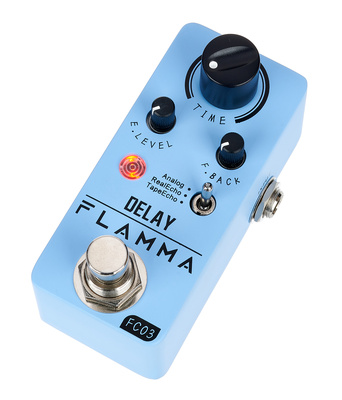
Finally, our conclusive look at beginner guitar pedals sees us look at the mystical world of delay. It’s very easy to get confused by delays, as nobody really knows how they work. At least I don’t. Therefore, this example from Flamma is a great place to start.
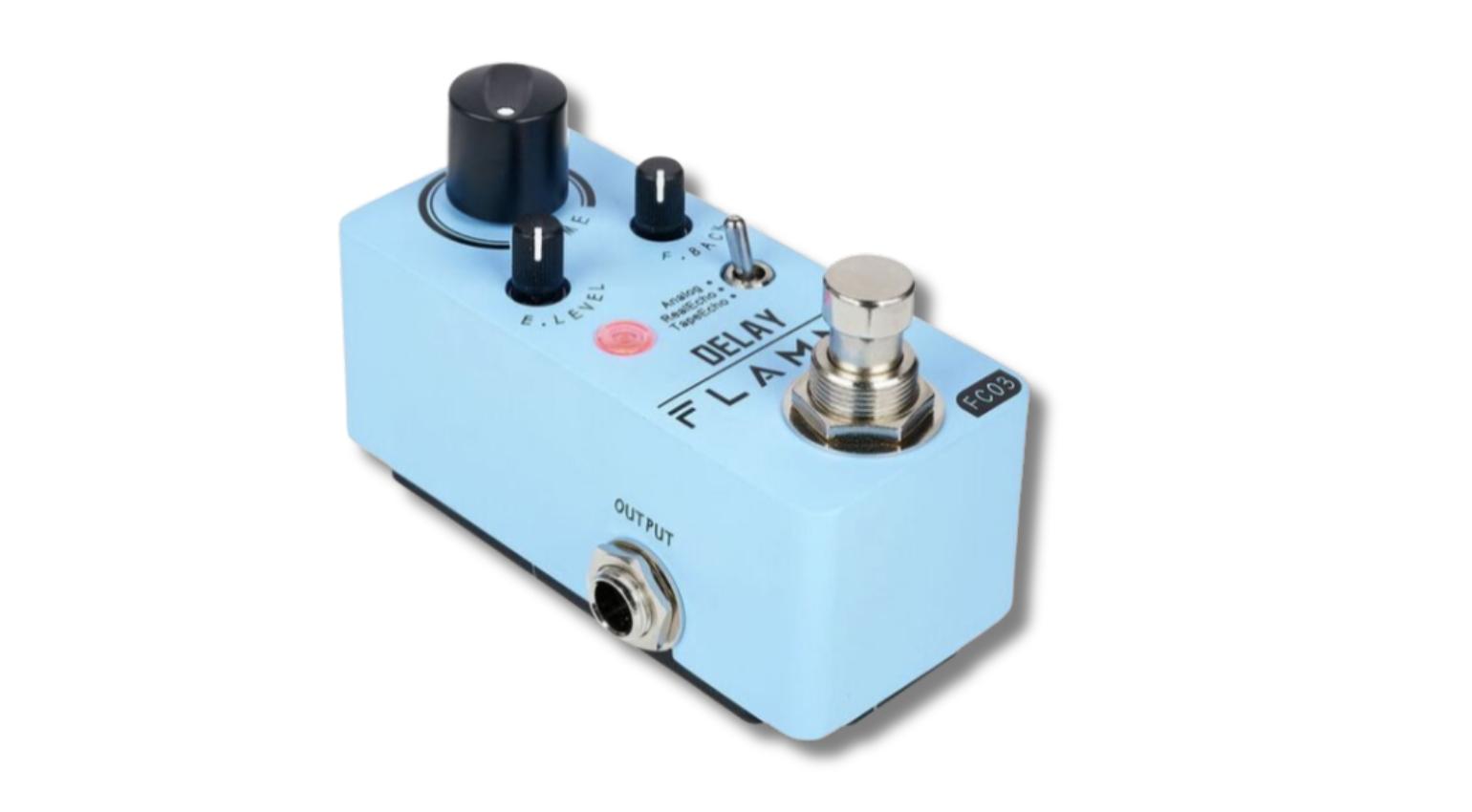
On offer are three iconic types of delay, which gives players the opportunity to learn more about delay. We get:
- Analogue
- Real Echo
- Tape Echo
It’s a pocket-sized pedal with a robust design, ideal for adding to a pedal board or using on its own straight into your existing amp. The overall delay time ranges from 5 ms to 600 ms.

Videos
Further Information
*This post contains affiliate links and/or widgets. When you buy a product via our affiliate partner, we receive a small commission that helps support what we do. Don’t worry, you pay the same price. Thanks for your support!

This might also interest you
2 responses to “Beginner Guitar Pedals: 5 Essential Effects to Start With”

I personally would suggest a Fuzzface over the Boss- been around since the late ’60’s and still goin’ strong
Totally fair! You can’t knock that kind of heritage.