Mixing for Festivals: How to Build a Mix in 30 Seconds
Building powerful mixes quickly and efficiently.

 5,0 / 5,0 |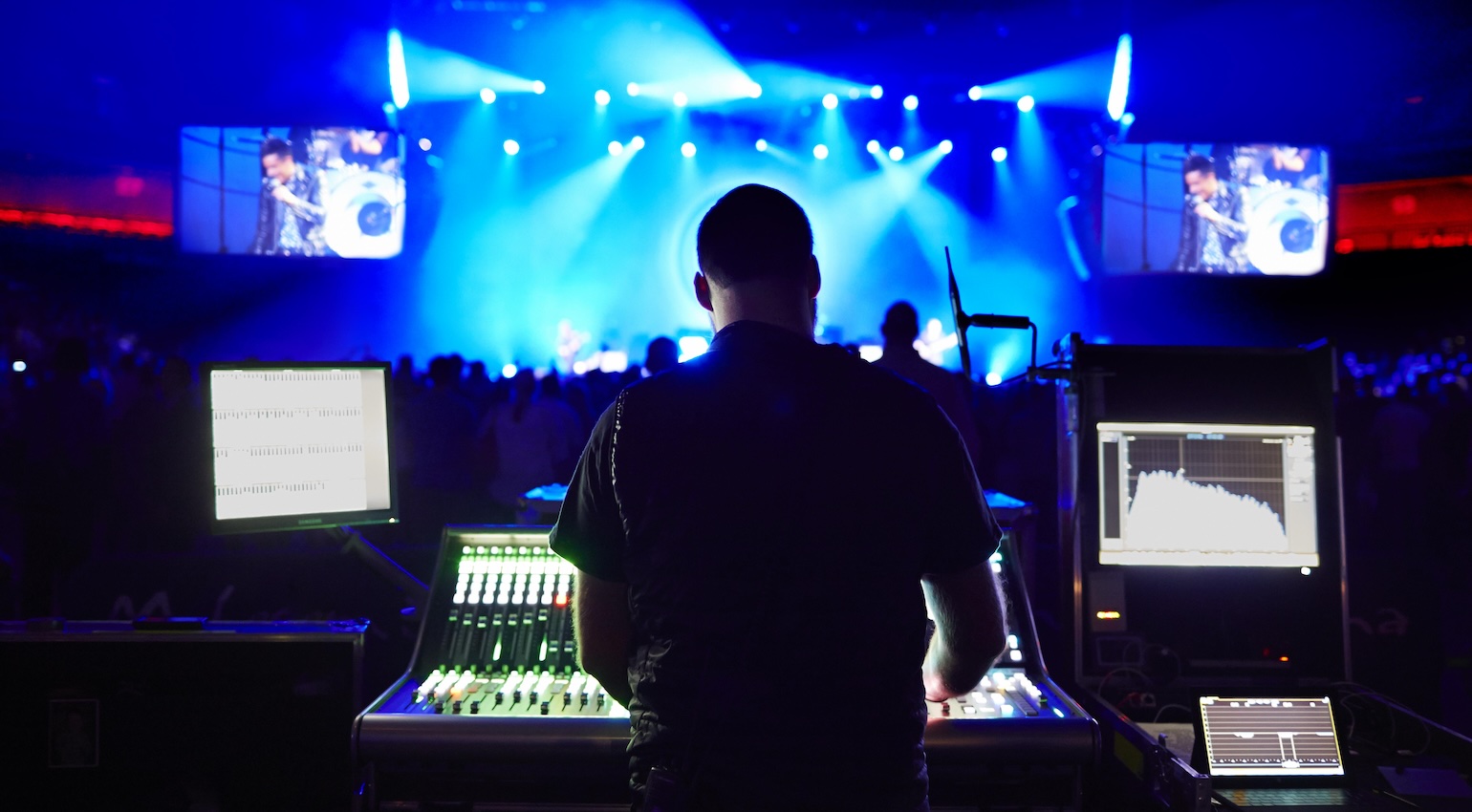

As a live engineer, mixing for festivals presents a different set of obstacles compared to clubs and bars, with limited time frames and larger audiences.
In this Article:
A festival lineup is loaded with acts with different stage configurations, and this gives engineers an extremely short window to check each act and deliver a balanced mix across a large PA system. On top of that, the more established acts have their own engineers, so this means they have to liaise with the festival tech team to ensure their requirements are met and to help them navigate any unfamiliarities with the audio system.
Naturally, some aspects of the rapid changeovers between acts can be planned for, especially when a band or artist has unique requirements in their tech rider. However, it’s essential to be able to balance the core elements of the mix quickly, to give you a foundation to work from throughout the show.
Mixing for Festivals: The Kick and Lead Vocal
In a festival live sound environment, the quickest way to lock a mix down is by prioritising the two key elements: the kick drum and the lead vocal.
The kick drum is crucial because it defines the low-end energy of the sound system. Of course, festivals use large PA systems that disperse low frequencies over a wide area and shape the physical feeling of the mix for the audience. Lift the kick drum, so it has power but remains controlled. With a balanced and well-tuned PA system, you’ll be able to feel it in your chest without overwhelming the rest of the mix.
Next in line is the lead vocal. At a festival, vocal intelligibility is essential. The vocal is the key to connecting the artist with the audience. By lifting the vocal above where the kick is sitting, you can ensure its central position in the mix.
In the first few seconds, the audience needs to hear:
- The main pulse of the kick drum
- The message through the lead vocal
Tip: All the other elements in the mix can be assembled around these core instruments.
Mixing for Festivals: The Groove
With the kick drum and vocal fixed in place, our next job is to secure the rhythmic core of the mix.
Lift the bass channel and blend it with the kick drum so it isn’t fighting for space. This could be a bass guitar, a synth, or a backing track. For larger PA systems, the sustained energy of the bass is usually slightly higher than the kick, but without reducing its transient clarity.
Next, add the snare into the mix. This defines the rhythm section and translates the groove of the track further across the audience in areas where the low-end may fade.
By this time, around 10 seconds into the track, the rhythmic foundation of the mix should be strong:
- Kick
- Bass
- Snare
- Lead vocal
Tip: With these four key elements balanced and speaking clearly, the mix should sound complete for the most part.

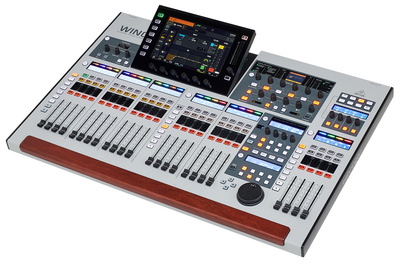

Mixing for Festivals: Harmonic Core
Now that the key rhythmic elements are working together, we can add the harmonic instruments that reinforce the identity of the song.
Lift the levels of elements like:
- Guitars
- Keyboards
- Synth pads
- Backing track elements
Start by balancing the levels with broad strokes rather than trying to sculpt each individual element from the get-go. The core harmonic elements should be pushed so you can clearly hear the chords without affecting vocal clarity.
A useful workflow to follow for festival mixing:
Rhythm, then harmony, and finally, detail.
With a strong groove and clearly audible chords, the audience can easily connect with the song, even without the finer details polished.
Tip: Around 20 seconds in, the mix should feel complete from a musical perspective.
Mixing for Festivals: Cymbals and Air
With high-frequency elements like hi-hats, percussion, and overheads, you can excite the mix with additional brightness. However, these elements shouldn’t be the starting point for festival mixes.
With larger outdoor PA systems, the high-frequency range is projected very effectively. If you lift the level of the cymbals too early on, they can create harshness and overpower the mix by interfering with the clarity of other key elements.
Once the core elements are doing their jobs, we can then add the cymbals and percussion. We can bring these levels up to add brilliance and high-frequency detail, but they should not distract or overshadow.
With this final step complete, the mix should feel open and animated, particularly for parts of the audience a little further back from the stage.
Tip: At 25 seconds, the mix should be powerful, clear, and full of energy.

Mixing for Festivals: Balance Adjustments
Once all the key elements are established, we can use the last few seconds for balancing levels.
Here are three questions to ask yourself:
Is the vocal clear and intelligible?
If not, raise the level slightly or pull back the instruments in the midrange that are competing.
Is the low-end tight and controlled?
If there is mud, pull the bass back slightly or tighten up the kick drum.
Are there elements that jump out of the mix uncontrollably?
Reduce the levels of elements that become suddenly dominant at any stage.
Although these minor adjustments take just a few seconds, they can drastically improve the clarity of the mix.
Tip: By 30 seconds, you should have a fully-functional festival mix.
Mixing for Festivals: Practical Tips
By laying out your channels in a familiar way, you can speed up your workflow.
Familiar Channel Layouts
By keeping your channel order consistent, you start to rely on instinct and muscle memory rather than having to think before making decisions.
Here’s a basic channel layout:
- Kick
- Snare
- Drums
- Bass
- Guitars
- Keys
- Tracks
- Vocals
Tip: With a predictable layout, building a mix becomes an almost automatic process.
Mixing for Festivals: Broad Strokes
Don’t do in-depth compression or EQ adjustments in the early stages of a performance. To build a quick, functional mix, broad fader movements are more effective.
Aim for a consistent balance of energy, rather than perfect technical precision.
Tip: Once you have a stable mix with the core elements sitting nicely, you can then refine the tonal characteristics.
Mixing for Festivals: Trust the System Tech
Most festival sound systems are tuned by experienced engineers during the initial setup. Rather than trying to correct the system with EQ, trust that it has been properly configured and balanced for the size of the audience.
Tip: Focus on creating a mix that is both clear and musical. If there is an element that feels off over multiple songs, then you can make tonal adjustments.

Mixing for Festivals: Mix for the Audience
A festival stage can be confusing at first, because the perspective from front-of-house can be drastically different compared to certain vantage points in the audience.
Your goal should be sonic focus, clarity, and overall impact, relying on the design of the sound system instead of trying to sculpt each sound to perfection.
Tip: Energy and groove move a crowd, not tiny details.
Mixing for Festivals: Subgroups
By assigning individual channel outputs to subgroups or using VCAs that control multiple faders remotely, you can streamline your workflow considerably.
This allows you to use just one fader to control:
- Drums
- Guitars
- Keys
- Backing tracks
Tip: This way, you can quickly create a rough, balanced mix before making finer adjustments to individual channels.
Mixing for Festivals: The Mindset
Combining speed with the confidence you have in your decision-making becomes the most essential tool for festival mixing. With limited time, you won’t have the privilege of a lengthy adjustment process with detailed troubleshooting.
Follow a simple but clearly prioritized hierarchy:
- Kick and lead vocal
- Bass and snare
- Harmonic elements
- Cymbals and high-frequency detail
- Quick balance checks
With this method, you can create a cohesive mix in 30 seconds.
Once the core elements are established, you can spend the rest of the show enhancing and refining clarity and dynamics and responding to the crowd’s energy.
Tip: A festival stage is a high-pressure situation, so being able to build a powerful mix on the spot is an essential skill.

More about Mixing for Festivals:
*Note: This article contains affiliate links that help us fund our site. Don’t worry: the price for you always stays the same! If you buy something through these links, we will receive a small commission. Thank you for your support!

This might also interest you