The Sound of Linkin Park: Play ‘In the End’ With Plugins, a Budget Setup, or Studio Gear!
These suggestions will bring you closer to the guitar sound of Linkin Park's biggest hit!

 5,0 / 5,0 |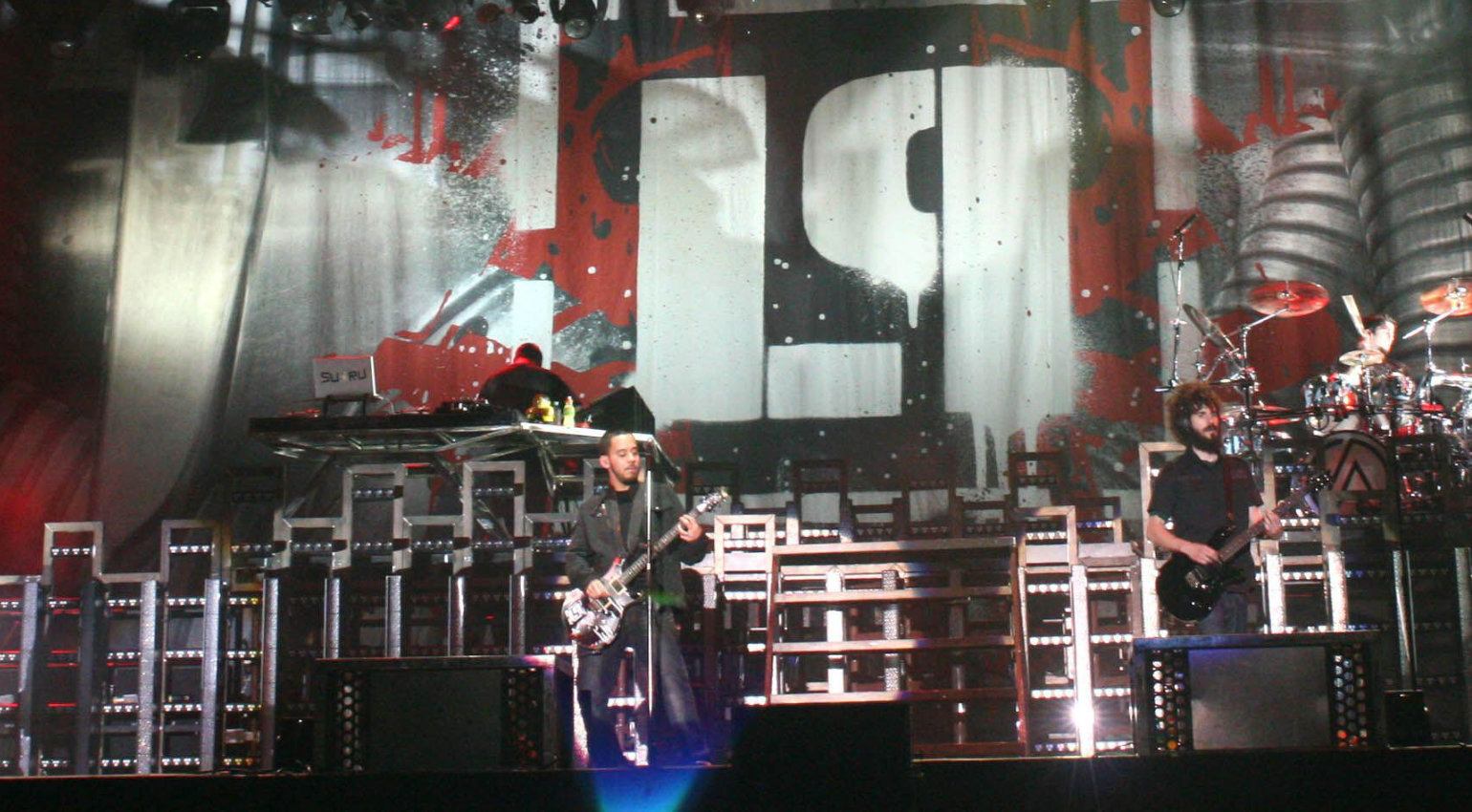
The Sound of Linkin Park: Play 'In the End' With Plugins, a Budget Setup, or Studio Gear! · Source: Bang Media International / Alamy

How do you achieve the guitar sound of Linkin Park’s biggest hit? What makes the sound of ‘In the End’ work? Let’s explore the software effects, beginner’s gear, and boutique effects and amps that will get you as close as possible to Brad Delson’s original sound.
The Sound of Linkin Park
The Story of In The End
Before we explore the sound of ‘In the End’, let’s take a brief look at how the song came about. According to Linkinpedia, a wiki run by fans of Linkin Park, the song was written in May 1999. Band leader Mike Shinoda wrote it in their rehearsal room in LA at the time, and it appeared on Linkin Park’s first demo CD under the name “Untitled (It Doesn’t Matter)”.
However, this demo version underwent several production changes before reaching its final form on the band’s debut album, ‘Hybrid Theory’. Compared to the demo, the drumbeat in the verses is markedly different, and some of the lyrics have changed too. The guitars, however, have hardly changed at all.
Guitarist Brad Delson plays the powerful riff in the chorus and harmonics in the verse. He also played the bass for the recording as the band’s regular bassist, Dave Farrell, was on tour when ‘Hybrid Theory’ was being recorded. Compared to the other songs on the album, ‘In the End’ is much more straightforward and almost pop-like.
When it came to deciding the song order and which songs to include on the album, Chester Bennington was also strongly opposed to including ‘In the End’. In a later interview, he explained that he had since stayed out of decisions regarding song selection and order because his initial instincts had been so different. Over the years, however, he came to love ‘In the End’ more and more.
The Sound of Brad Delson
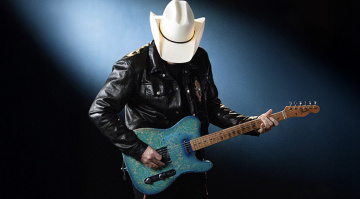
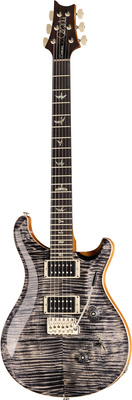
Before we explore the sound of Linkin Park and how you can recreate it with your equipment, let’s take a quick look at the gear Brad Delson used for the recordings and early live performances. In terms of guitar brands, Brad was an avid PRS fan at the time of ‘In the End’. It is said that he used a CE24 with DiMarzio Dual Sound humbuckers for the recordings.
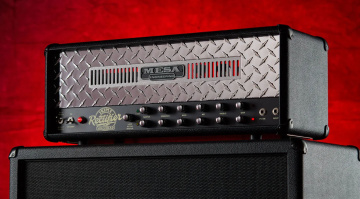
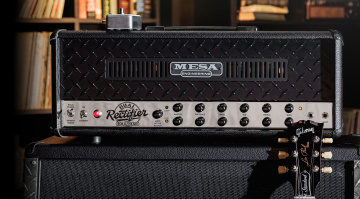
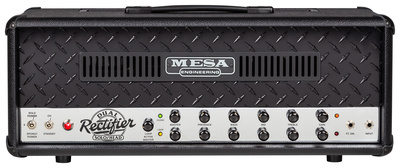
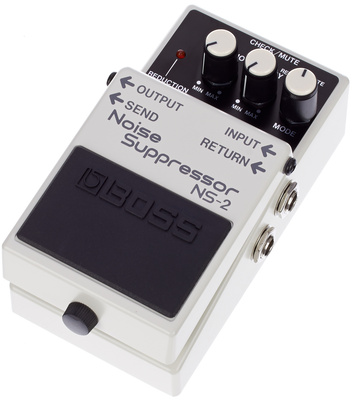
As expected, the main source of the distorted sound on ‘In the End’ is the amp. Here, Brad used a classic Mesa/Boogie Dual Rectifier, a staple for many nu-metal guitarists. To keep the noise under control, Delson probably used a Boss NS-2 Noise Suppressor live.
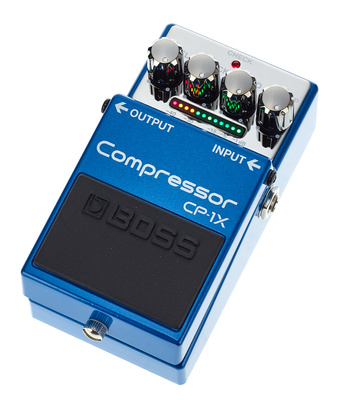
It is also likely that he used a compressor pedal to ‘thicken’ the signal chain. However, we don’t exactly know which one.
The Sound of Linkin Park with Plugins
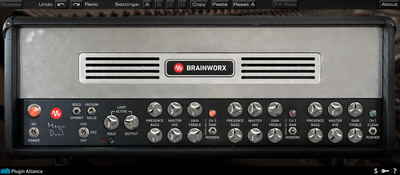
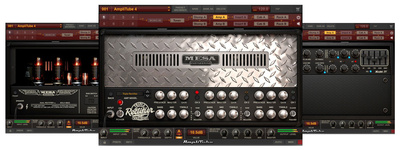
There are several solutions here. For the main component of the distorted sound (a Mesa/Boogie Dual Rectifier), a variety of plugins are available. One option is the Brainworx bx_megadual plugin, which is currently on sale. IK Multimedia’s AmpliTube MESA/Boogie is also reasonably priced.
Compared to the Brainworx plug-in, this one includes a few more virtual amps and additional pedals for noise gating and compression. And those who are already familiar with the freeware plugin NAM will appreciate the excellent NAM profiles for the Dual Rectifier.



The Sound of Linkin Park With Beginner Gear
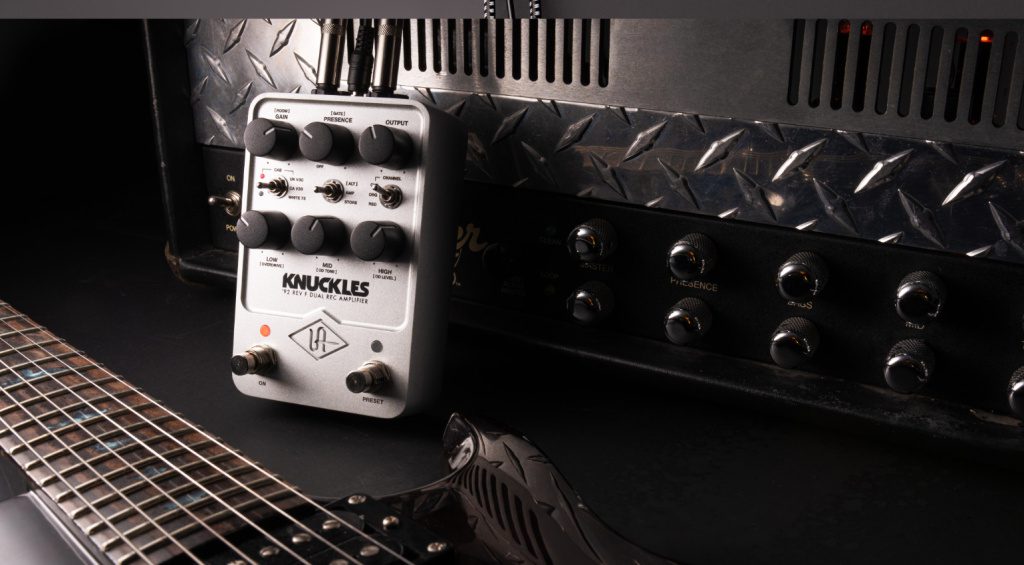
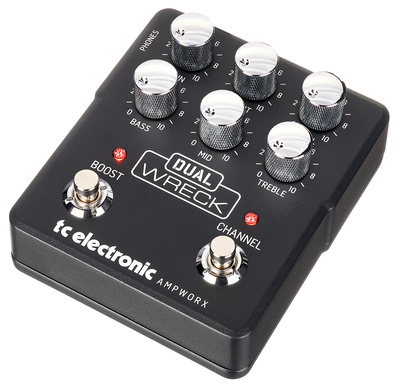
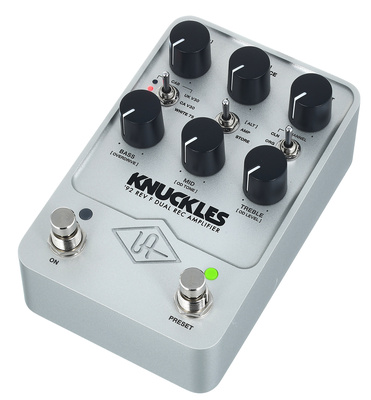
With beginner gear, it doesn’t take much to get close to the sound of Linkin Park. The key elements here are a guitar tuned to Drop D (or Drop C) and an amp or pedal that gets you close to a Dual Rectifier-type distortion. When it comes to pedals, you can use an effect specifically designed for the Dual Rectifier, such as the TC Electronic Dual Recto Preamp, or the larger UAFX Knuckle. The latter even includes a noise gate.
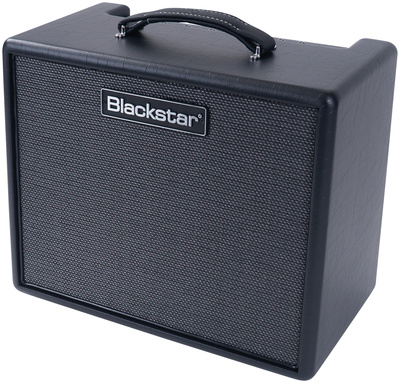
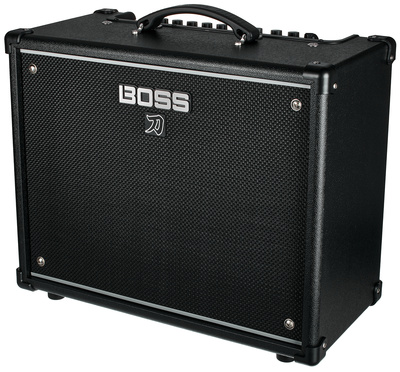
However, there are also some solutions for amp combos. With the Blackstar HT-5R combo and its ISF control, you can achieve a sound that is very similar to the classic “American” Boogie sound. There are also some presets on the Boss Tone Exchange platform for amps from the Boss Katana series that get you close the Dual Rectifier sound.




Studio Equipment
If you want to get really close to Brad Delson’s sound and go all out, get the reissue of the Dual Rectifier and wait until the amp is available. Then add the Boss NS-2 pedal for noise gate and the CP-1X for compression to that, and, when combined with a lower-tuned guitar, you should pretty much have nailed the sound of Linkin Park.
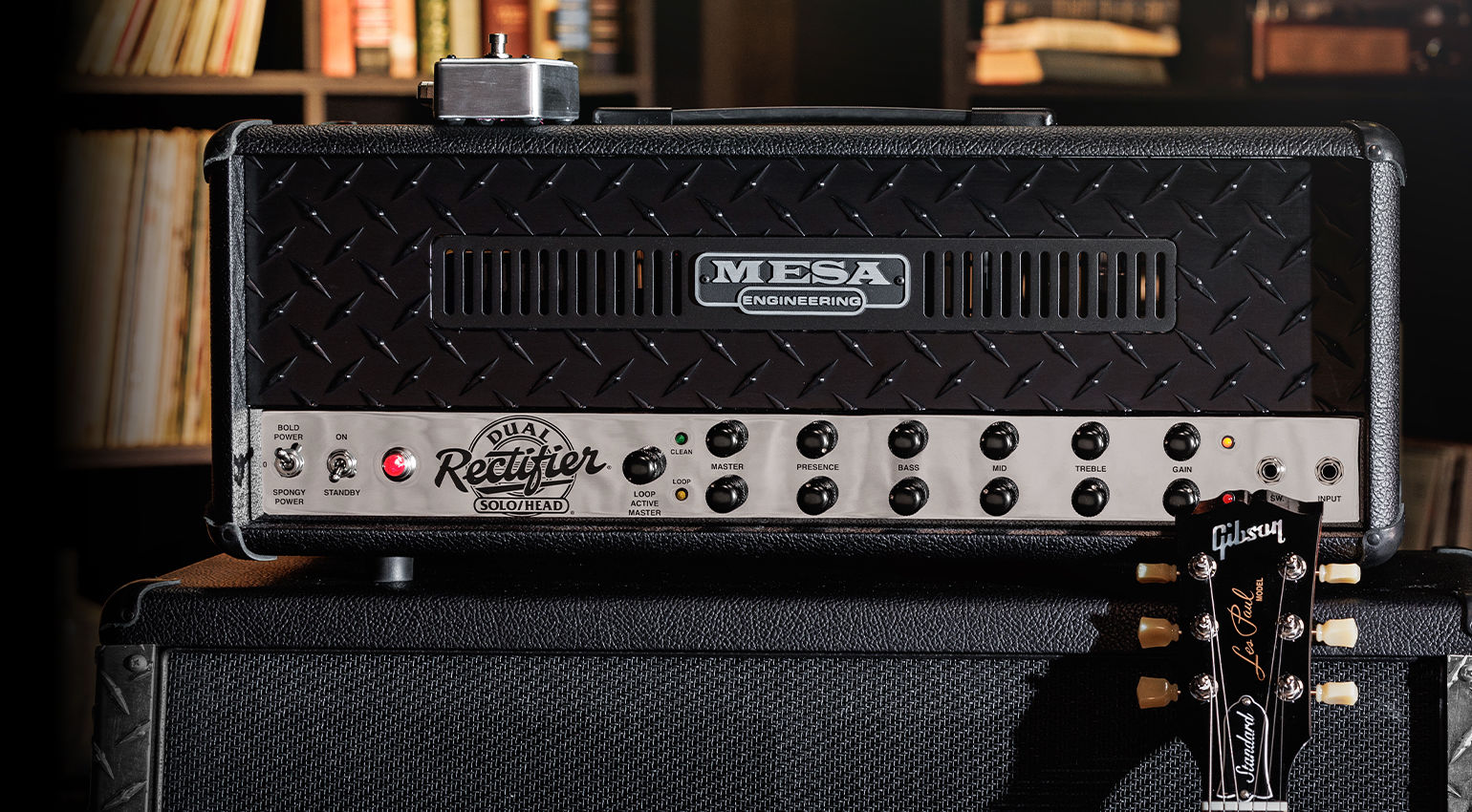
Of course, you could get one step closer and add a PRS CE24 to your collection. However, I would argue that the sound of ‘In the End’ can be achieved to some extent with most other humbucker guitars.


Conclusion
Linkin Park still performs ‘In the End’ today. New singer Emily Armstrong gives the song the same depth and emotion as Chester did. As for the riff, the song is ideal for beginners.
Now it’s your turn! How can you get closer to the sound of ‘In the End’? What equipment is best for achieving Brad Delson’s guitar sound? Let us know in the comments!
FAQ: The Guitar Sound of Linkin Park
Which amp is crucial for the sound of “In the End”?
At the heart of the sound is a Mesa/Boogie Dual Rectifier. Its powerful bass and aggressive mid-range frequencies play a key role in shaping the nu metal guitar sound of the song.
Do you need a noise gate for this sound?
Yes, a noise gate is highly recommended. The heavily distorted Rectifier sound produces a lot of background noise that needs to be controlled, both during live performances and in the studio.
Can the sound also be achieved with plugins or entry-level equipment?
Absolutely! Amp simulations, modelling amps or preamp pedals with a Dual Rectifier character can deliver very convincing results. The decisive factors are not so much the quality of the equipment, but rather the correct gain staging, a tight noise gate and a humbucker at the bridge.
*Disclaimer: This post contains affiliate links and/or widgets. When you buy a product via our affiliate partner, we receive a small commission that helps support what we do. Don’t worry, you pay the same price. Thanks for your support!


This might also interest you