
The 5 Virtual Analogue Synths That Kick Started a Revolution

 4,7 / 5,0 |

We look at 5 of the pioneering synthesizers that blazed the trail for virtual analogue technology and how they stack up today.
If the 1980s were the birth of digital synthesis, the 1990s were the decade that saw it begin to fulfil its potential as a powerful and essential part of making music electronically. What started with punchy, crystalline FM tones soon transformed into huge, powerful analogue-style grunt without all the things that made us ditch real analogue just a decade before.
Some have tried to argue that the Roland D-50 was the first virtual analogue, or VA, synth, and whilst there is some merit to that argument, at least in the way the D-50’s sample and synthesis engine worked, it still had a very “digital” interface and was less about hands-on shaping of sounds with oscillators, filters and envelope generators, and more about clever and powerful layering of sounds that used samples as their attack portions, and synthesis to fill them out.
Physical modelling technologies, primarily pioneered at Stanford University, the birthplace of FM synthesis, had begun to catch the attention of synth designers and manufacturers, not least Yamaha, who were looking for the ‘next big thing’ after dominating the synth world with FM for a decade. Their VL1 and VP1 synths would lead the way in modelling acoustic elements and combining them in weird and wonderful ways. But it didn’t take long for developers to see how modelling could replace conventional analogue circuitry.
Our story begins in Sweden…
Virtual Analogue Pioneers
Clavia Nord Lead
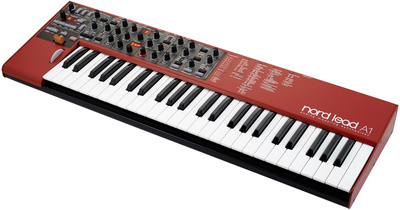
Launched in 1995, the Clavia Nord Lead caught the attention of both our eyes and ears with its authentic analogue sound and its striking red, angular case. Better known up to this point for their electronic drum hardware, Clavia set the ball rolling with this four-voice virtual analogue polysynth that featured proper knobs and buttons to control all the elements of the VA synth engine.

Out of the box, the Nord Lead was four-voice polyphonic and four-part multitimbral, but could be expanded to 12 voices via an additional voice card that added 8 extra voices. This card also gave the Nord Lead a PCMCIA card slot to allow users to store patches and performance memories. Other notable features of the Nord Lead were its iconic wooden Pitch Stick and its ability to map velocity to every function that had a knob on the front panel.
It was also capable of genuine patch morphing, allowing users to create two distinct patch settings and morph between them smoothly using the Mod Wheel. Sound generation came from two oscillators per voice, which could also be hard-synced (2 to 1). It featured two filters (a 12dB/oct low pass and a 24dB/oct multi-mode with low, high and band-pass) and a couple of LFO’s, along with a basic arpeggiator.
When fully expanded, the Nord Lead was a hugely powerful beast and set a trend for more stylish hardware that broke free of the traditional black and brown that had preceded it. That trend continues to this day with Clavia’s distinctive red cases visible on stages large and small the world over. Unlike all of our other virtual analogue pioneers, the Nord Lead is still in production to this day, having undergone numerous updates and feature enhancements. The Nord Lead A1 is a powerful, 24-voice VA polysynth that may have lost its angular case, but still retains the power and presence the original provided more than 30 years ago.
There have also been some software recreations, most recently by the likes of The Usual Suspects crew with their Nodal Red 2X plugin and discoDSP’s Discovery Pro. And who could forget the legendary Synth1 free plugin, famously modelled by Daichi on the Nord Lead 2.




KORG Prophecy
Released the same year as the Clavia Nord Lead, KORG’s initial foray into the modelling world was the Prophecy, a derivative of their powerful OASYS development system, not to be confused with the OASYS workstation that came some years later. It used their MOSS (Multi-Oscillator Synthesis System) technology to not only perform physical modelling but also analogue modelling, VPM (KORG’s version of FM) as well as things like comb filtering and ring modulation.
I recall seeing the Prophecy in the magazines of the day (yes, kids, we didn’t have the luxury of the internet!) and scoffing loudly at its look, its price and what appeared to be its obvious limitations. “Who would buy an ugly, 37-key monosynth for £1299??”, I cried! Well, I would end up eating my words when I actually got to try one. So much so that I bought one immediately and it still remains one of my favourite synths of all time.
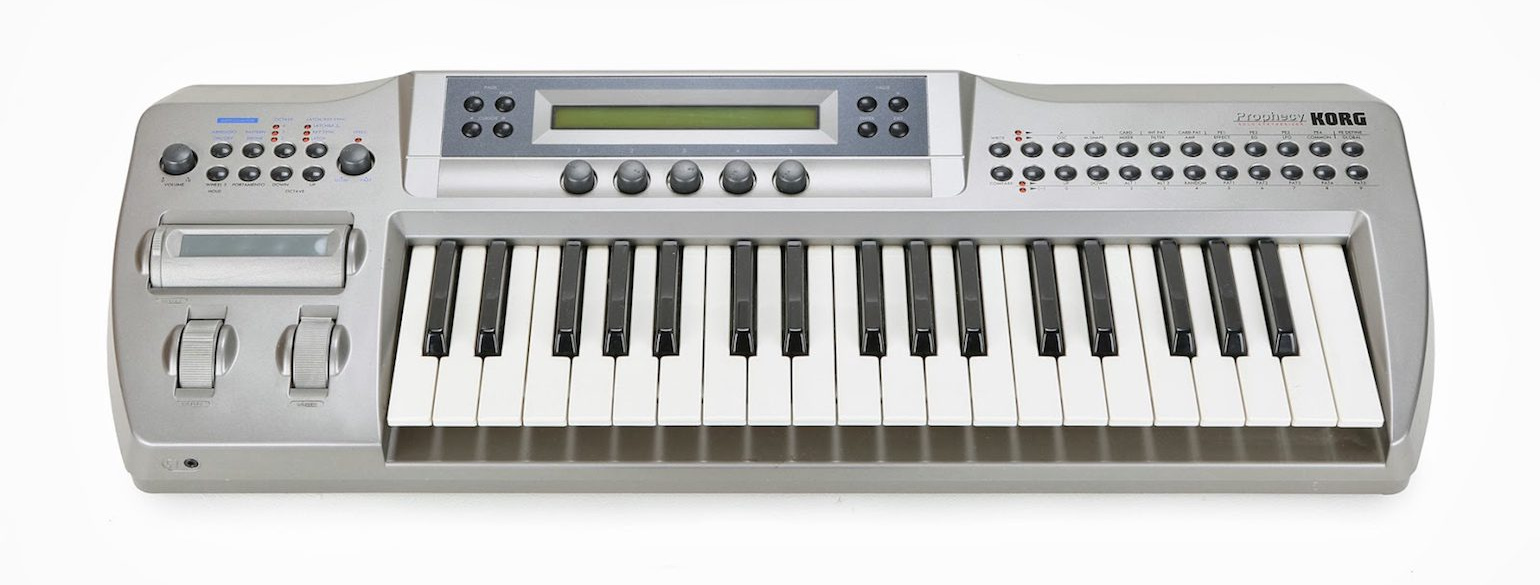
Unlike the other VA synths discussed here, the Prophecy has so much more up its sleeve with its impressive physical modelling capability. When I first played the brass sounds on it, I was blown away by how natural it sounded, especially when using its performance controllers to vary the amount of air movement and how the pitch bend actually sounded authentic, stepping through the notes rather than smoothly transitioning.
But as a virtual analogue synth, the KORG delivered truly devastating basses and leads. Given that it was a monosynth, it excelled in these areas and was used by many artists back in the day for truly massive, gritty and searing sounds, most notably by Liam Howlett, who used it all over their legendary ‘Fat Of The Land’ long-player.
KORG went on to produce a polyphonic modeller in the form of the Z1, which took the MOSS engine and gave us up to 18 voices of polyphony and even more models, such as the Tines model. It also expanded on the VA modelling and is highly sought after to this day. There was also the MS2000, a true virtual analogue modelling synth that came in both keyboard and rackmount versions.
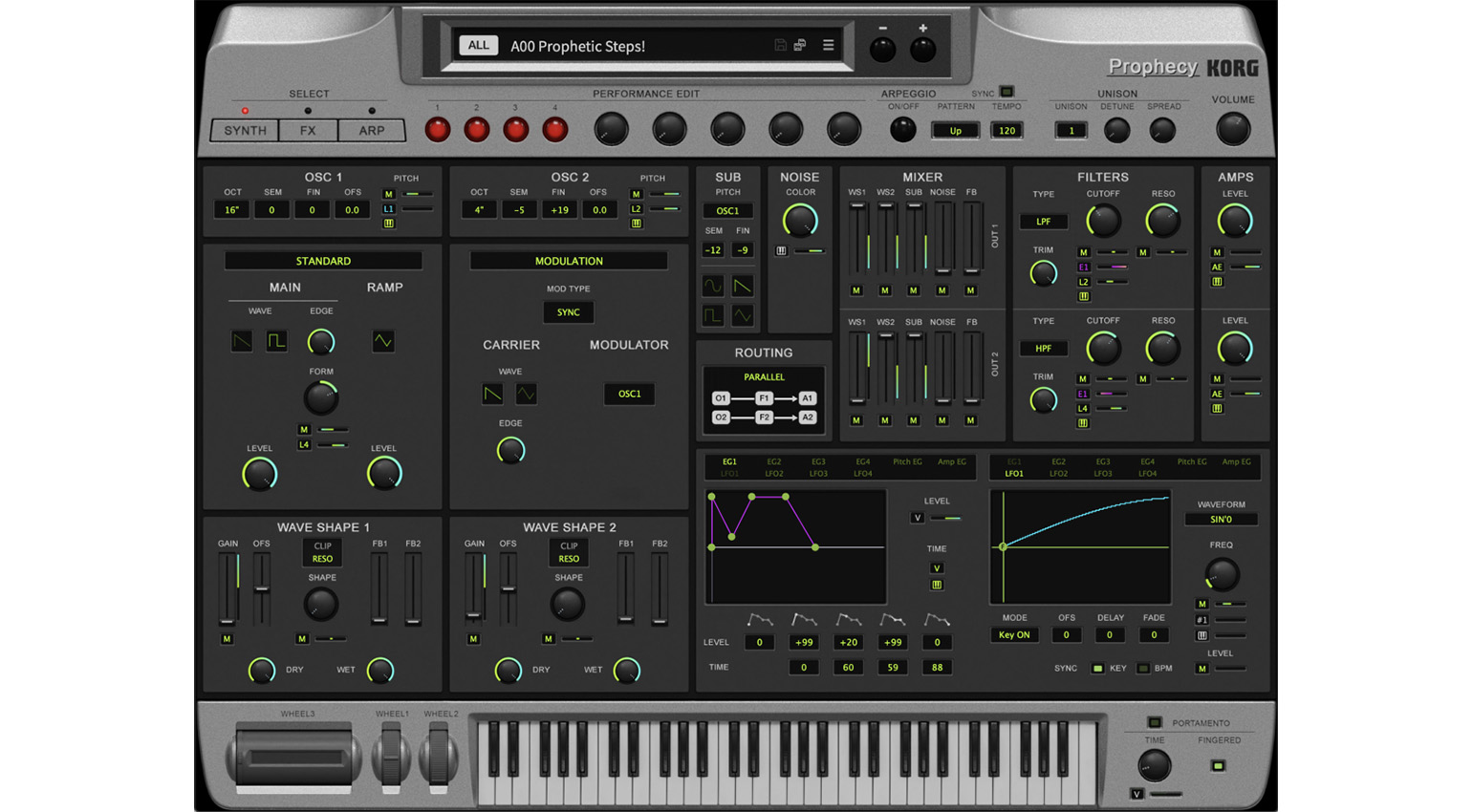
Today, the KORG Prophecy has been made into a plugin by KORG themselves, and after a few updates, it matches the hardware almost perfectly. It also has the added benefit of being polyphonic, but we still wait for a faithful Z1 recreation in KORG’s excellent Legacy Collection. There have also been a couple of 3rd party vibe-coded attempts.

Yamaha AN1x
Considering that Yamaha had led the way with digital synthesis in the 80s, and had stolen a march on others with their physical modelling VL1 & VP1 synths, it took them a little while to release their first proper virtual analogue synth in the form of the AN1x. Released in 1997, it came a full year AFTER the release of their pseudo-analogue synth, the CS1x. The CS1x had clearly taken inspiration from the Nord Lead when it came to styling, with its angular blue design and shaved left-hand side, but it was powered by Yamaha’s GM/XG sample and synthesis engine, utilising their AWM2 sample library. It was far from virtual analogue.
But a year later, using the same case design, albeit with a darker blue colour, ribbon controller and a couple more knobs, the AN1x was launched, and a legend was truly born. Featuring a full 10 voices of polyphony, two-part multitimbrality, proper parameter scene morphing and a voice architecture fabled to have been more than inspired by the Prophet-5, the AN1x soon became a staple dance music synth.
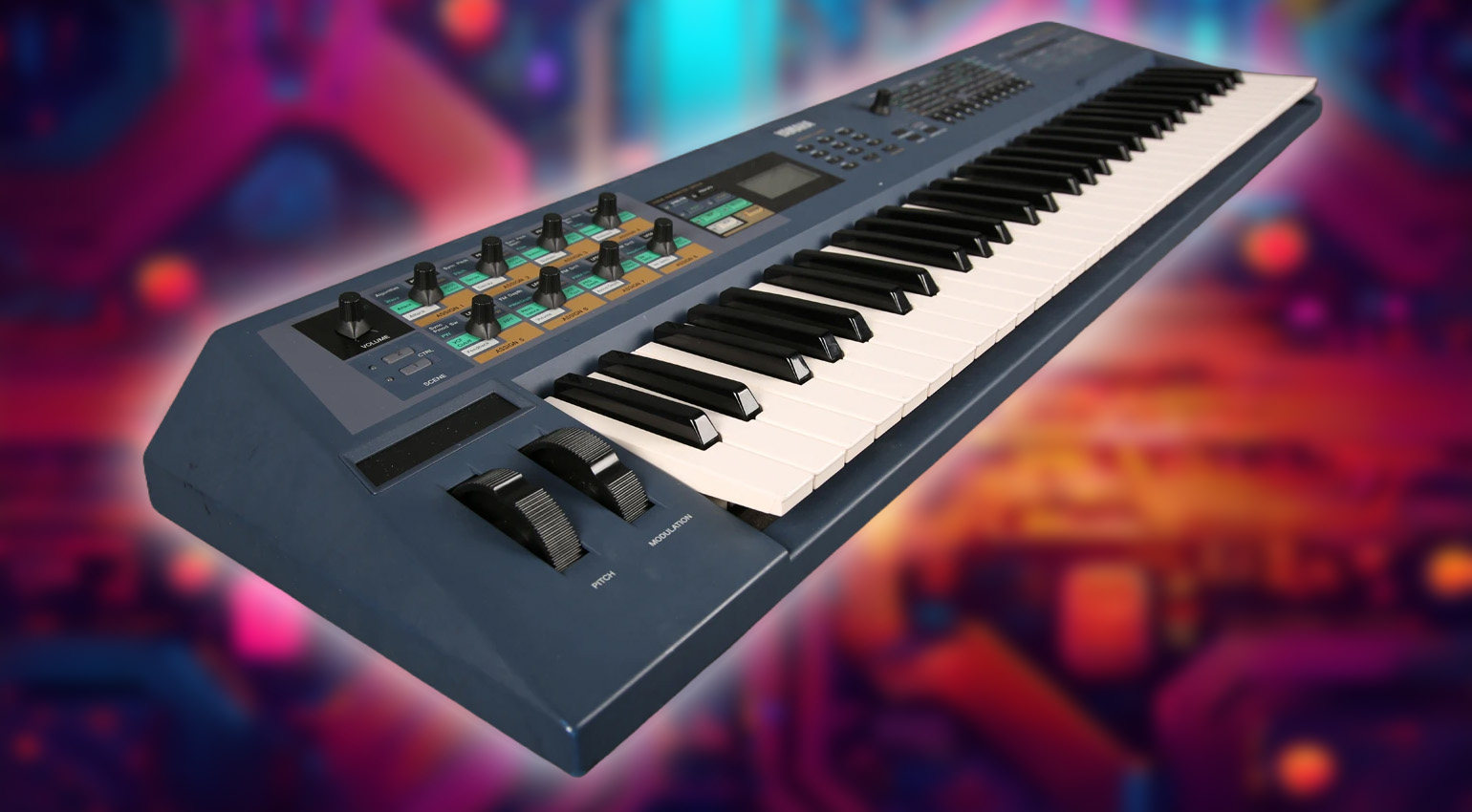
Yamaha had seemingly not learned anything about user interfaces and developed a quirky and sometimes awkward front panel, giving us just 8 knob controllers, each with 8 parameters per knob and a clunky matrix-based system for deeper functionality. That said, once you had figured it out, it was pretty easy to fly around the AN1x and get what you wanted out of it. Furthermore, it was one of the first batch of synths to come with a dedicated computer-based editor and librarian, AN1xEdit.
But under the hood lay a sonic powerhouse, an engine that is still revered to this day and one that can deliver a huge range of analogue-style tones, as well as a truly brilliant set of FM sounds. This was because the VA engine in the AN1x was powered by FM technology. I mean, why let a good thing go to waste when it can be used to recreate the very thing it set out to replace? It also featured a lipped area on the right to place your SU-10, QY70 or a packet of Marlboro!
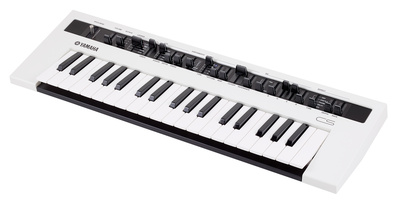
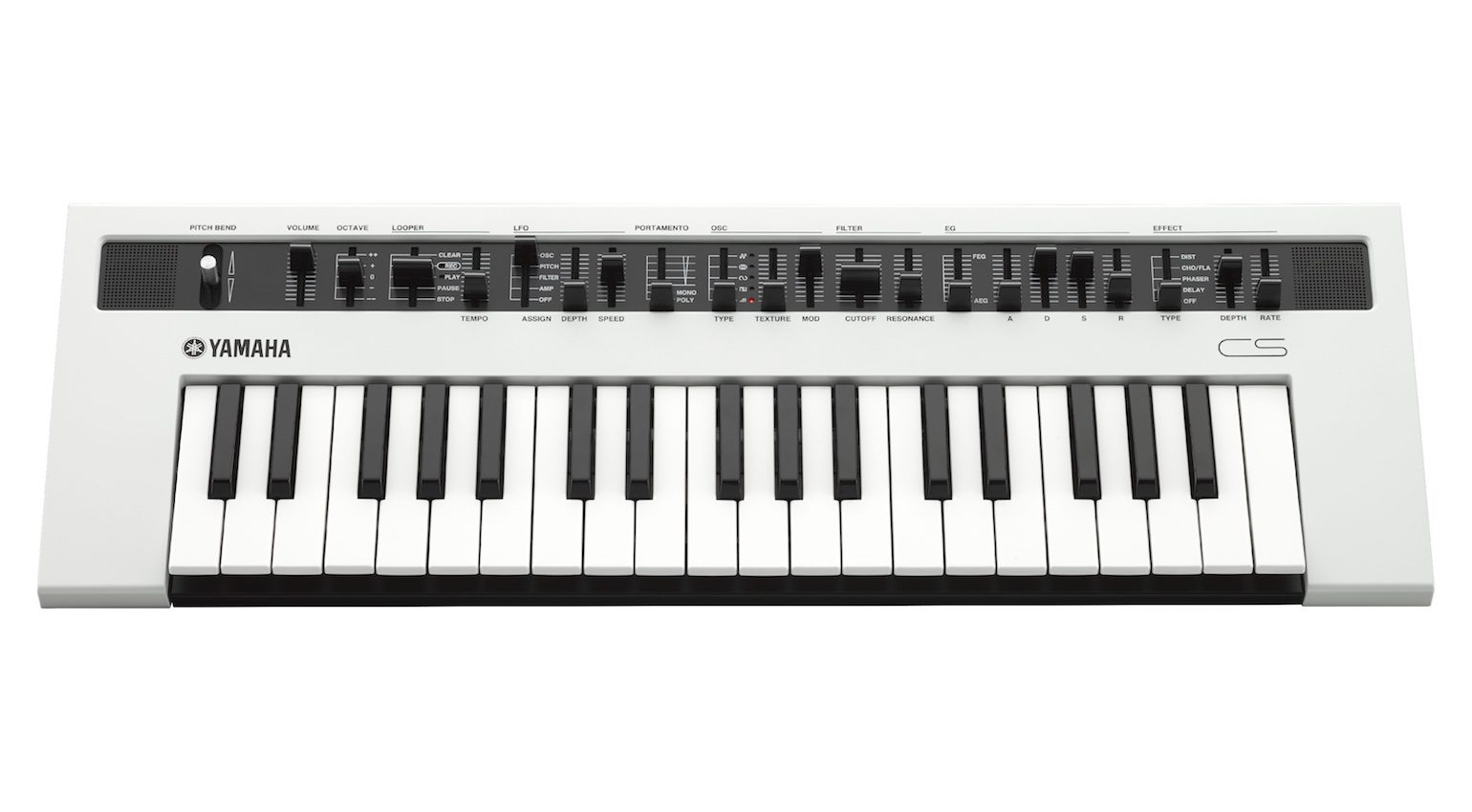
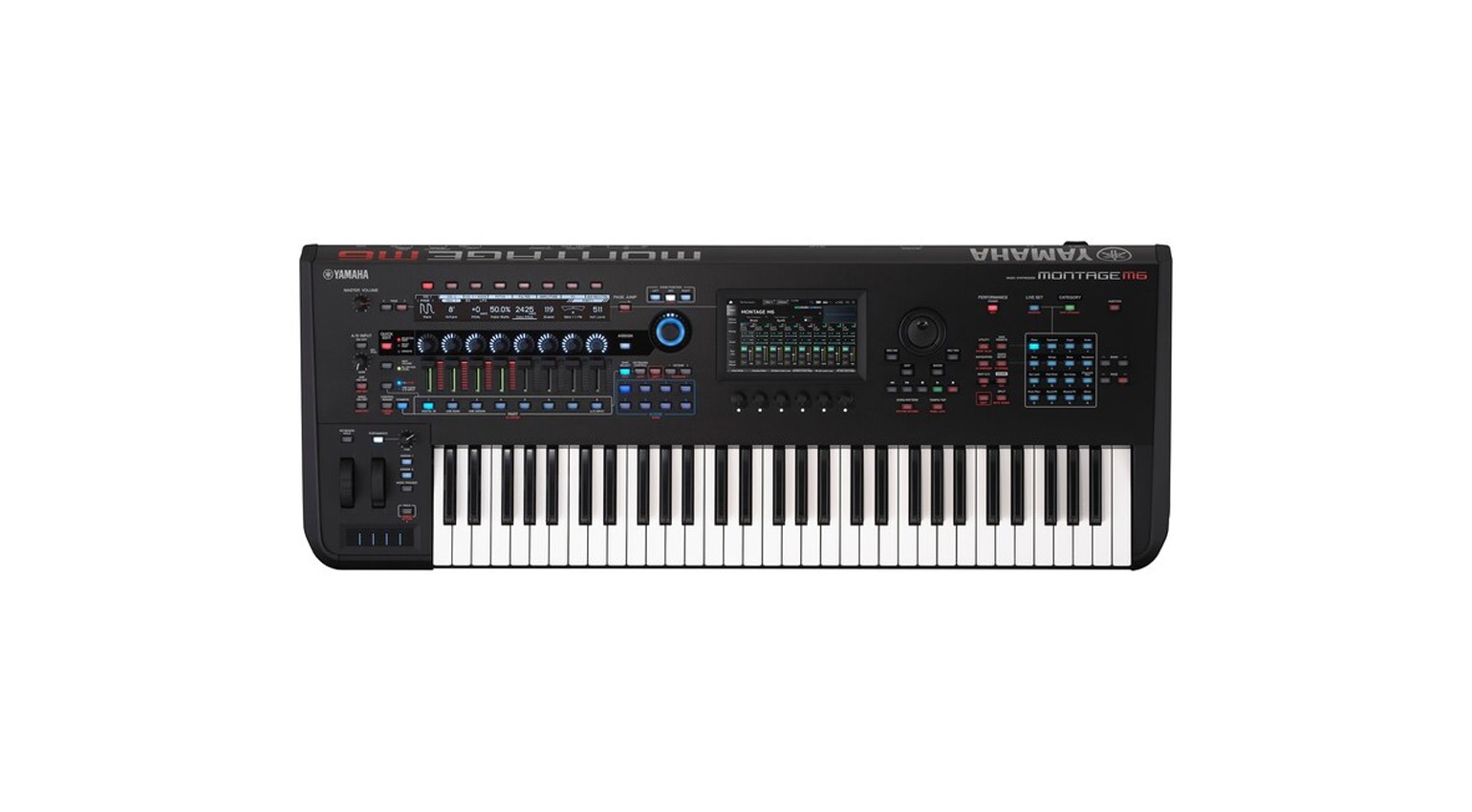
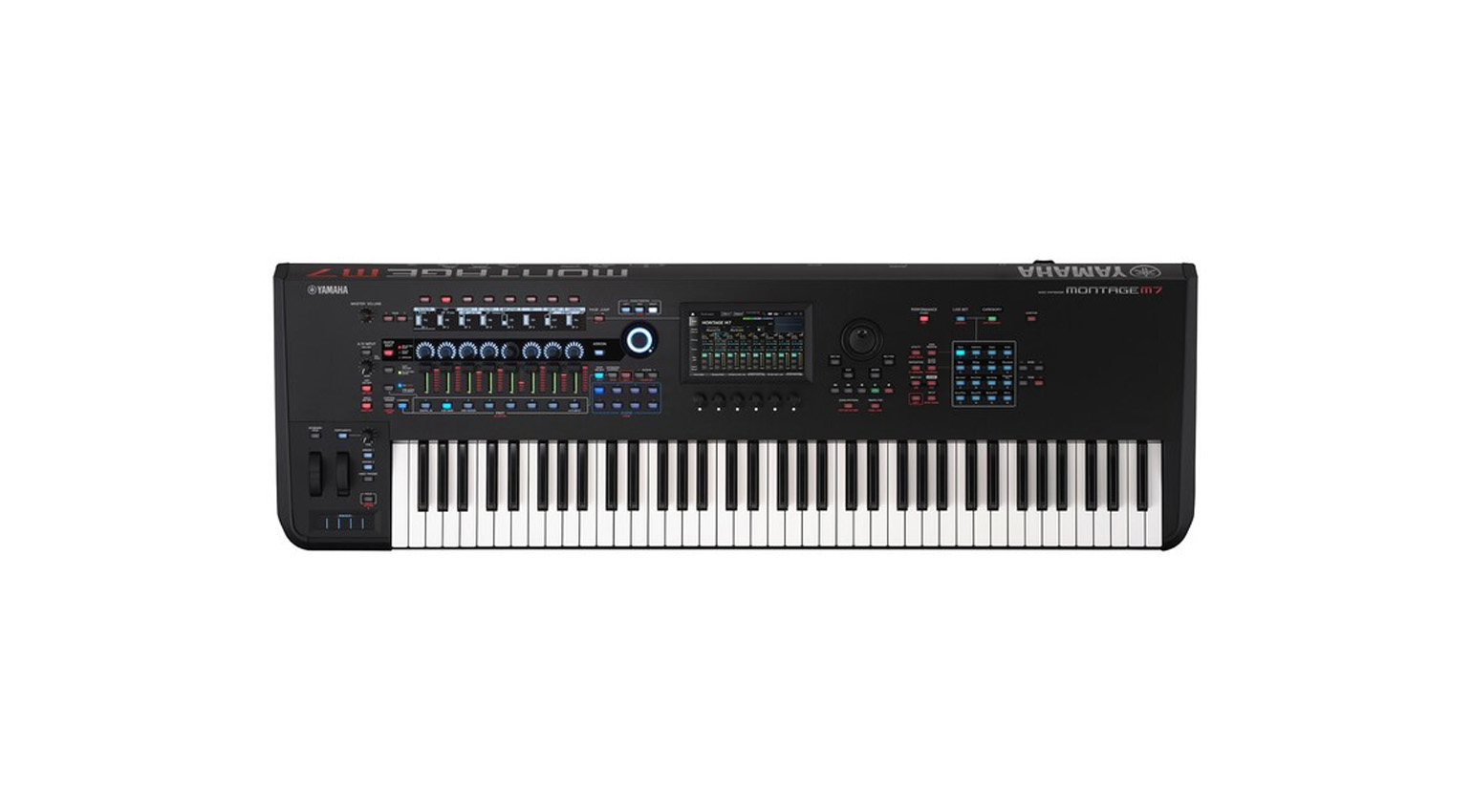
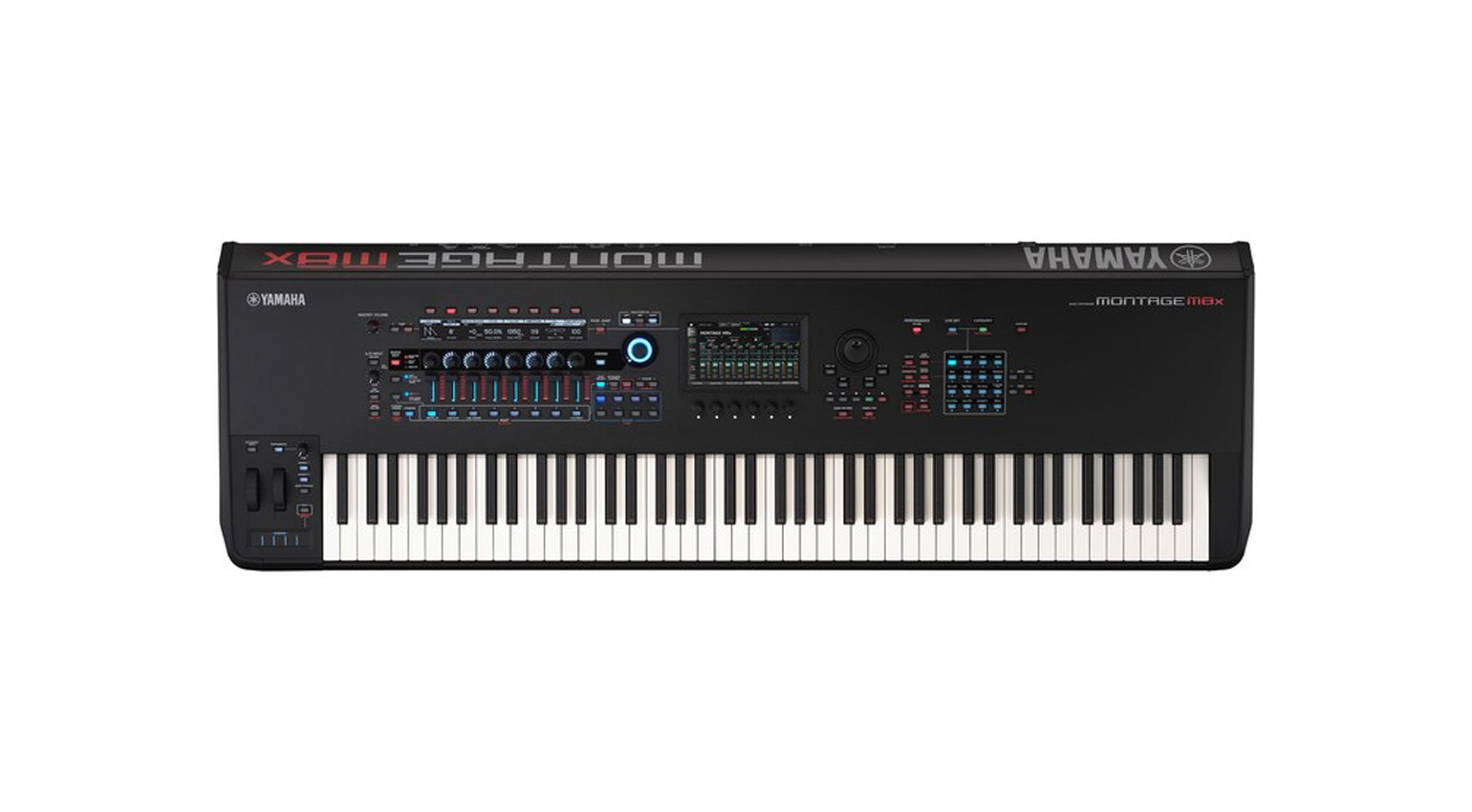
Despite its plastic construction, the AN1x oozed class sonically, and they still command a reasonable price on the pre-owned market. Yamaha have used derivatives if this engine in their Reface CS keyboard and a much more powerful version in the current line of Montage M and MODX M synthesizers, but they have seemed reluctant to do much more with this ever-popular virtual analogue synth.
That said, Isla Electronics are following up their hugely successful ASYX plugin with VANIX, a faithful and enhanced recreation of the AN1x that will soon be available as a plugin as well as an optional engine on their forthcoming Caladan hardware synth. I still have a very soft spot for this synth and all of Yamaha’s 90s dance music range, including the CS1x, RM1x, CS6x, RS7000, FS1R and SU700. Happy days!





Roland JP-8000
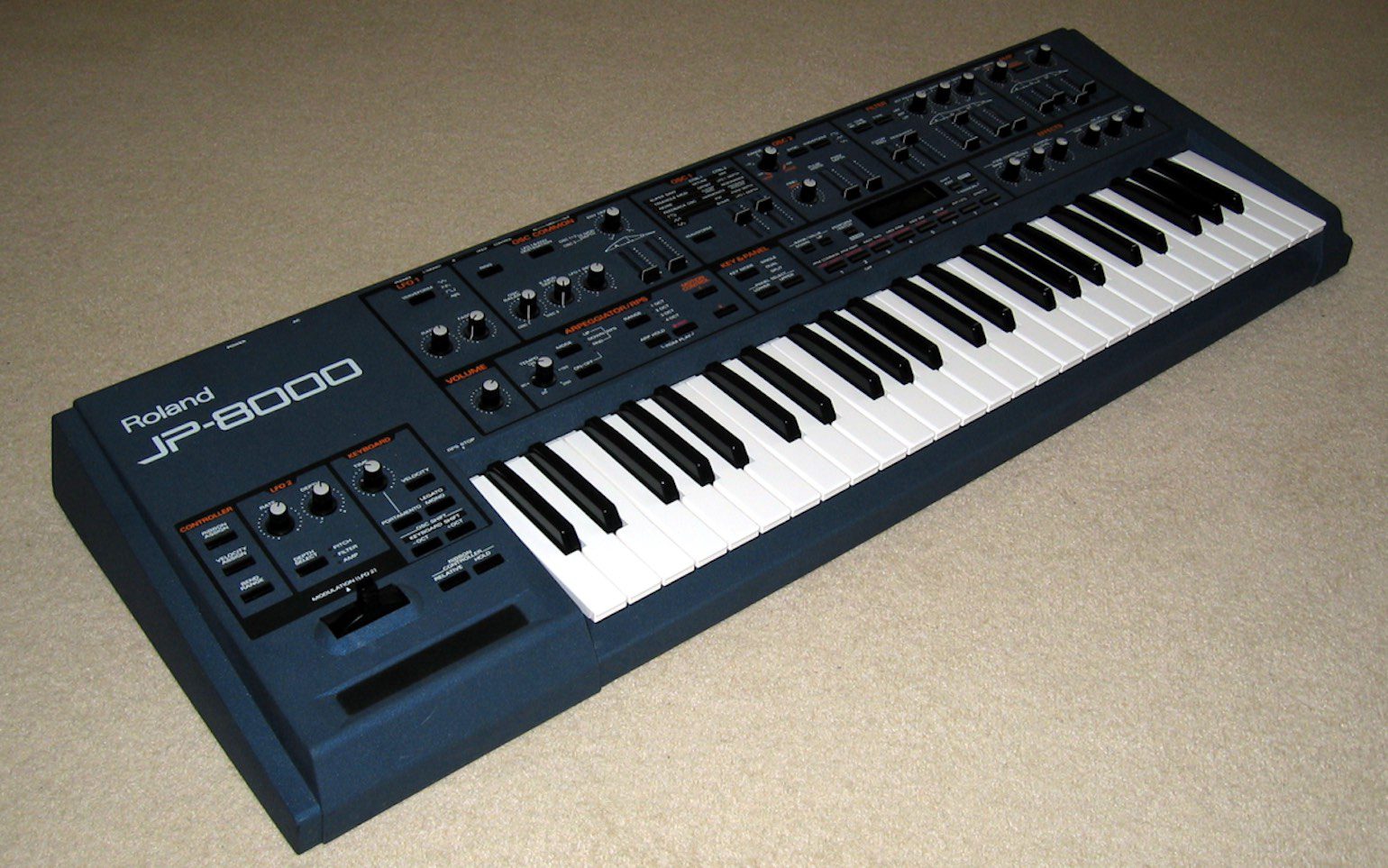
Regarded by many as the pick of the bunch when it comes to the first big wave of virtual analogue synthesizers, the Roland JP-8000 became synonymous with just one sound: The Supersaw! Like the Orch2 stab on the Fairlight, the E.Piano on the DX7 and Fantasia on the D-50, the Supersaw on the JP-8000 became its defining, signature sound. Used (some might say overused) on almost every trance and techno track of the 90s and beyond, it was the first sound we all went for on this VA classic.
Stealing a march on Yamaha’s AN1x by a year, the JP-8000 launched in 1996 and signalled Roland’s intentions when it came to the technology and music of the day, reviving the JP prefix with a worthy successor. It became a staple in every self-respecting dance music producer’s studio, either in its keyboard form or as the JP-8080 rackmount that increased the voice count and added a vocoder.
Completely digital, it was Roland’s first foray into virtual analogue modelling, a trend that continues to this day. As well as its powerful synthesis engine it came with a programmable real-time phrase sequencer and onboard FX, making it a really huge-sounding and capable performance synth. Its comprehensive front panel meant that the user was treated to a proper hands-on programming experience, making it huge fun to play around with.
But there’s no getting away from THAT Supersaw sound. Once the subject of much speculation around its construction, the waveform is actually 7 detuned saw waveforms that, when combined, deliver an impressive and uplifting tone that works in a variety of ways, be it soaring leads, pads or plucks. Once again, Roland defined the sound of a generation and the JP-8000 continues to be revered and sought after today.
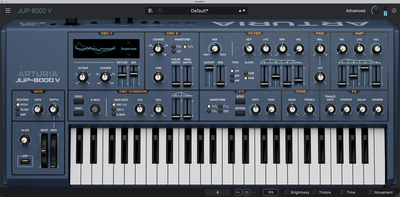
If you can’t find a decent hardware version (the rack is the best option to go for), there has been a recent spate of software clones. Arturia’s Jup-8000 V does a very good job of recreating the sound and user experience, and the clever bods at The Usual Suspects have recreated it as part of their ongoing project in the form of the JE-8086.


Access Virus
A little later to the virtual analogue game than the other synths featured here, it is fair to say that of all of the VA synths we’ve looked at, the Access Virus range is probably the most beloved of them all, with many users saying that its tone and feature set is unrivalled to this day. There were many incarnations of the Virus synth with the first being the Virus A that came out in 1997.
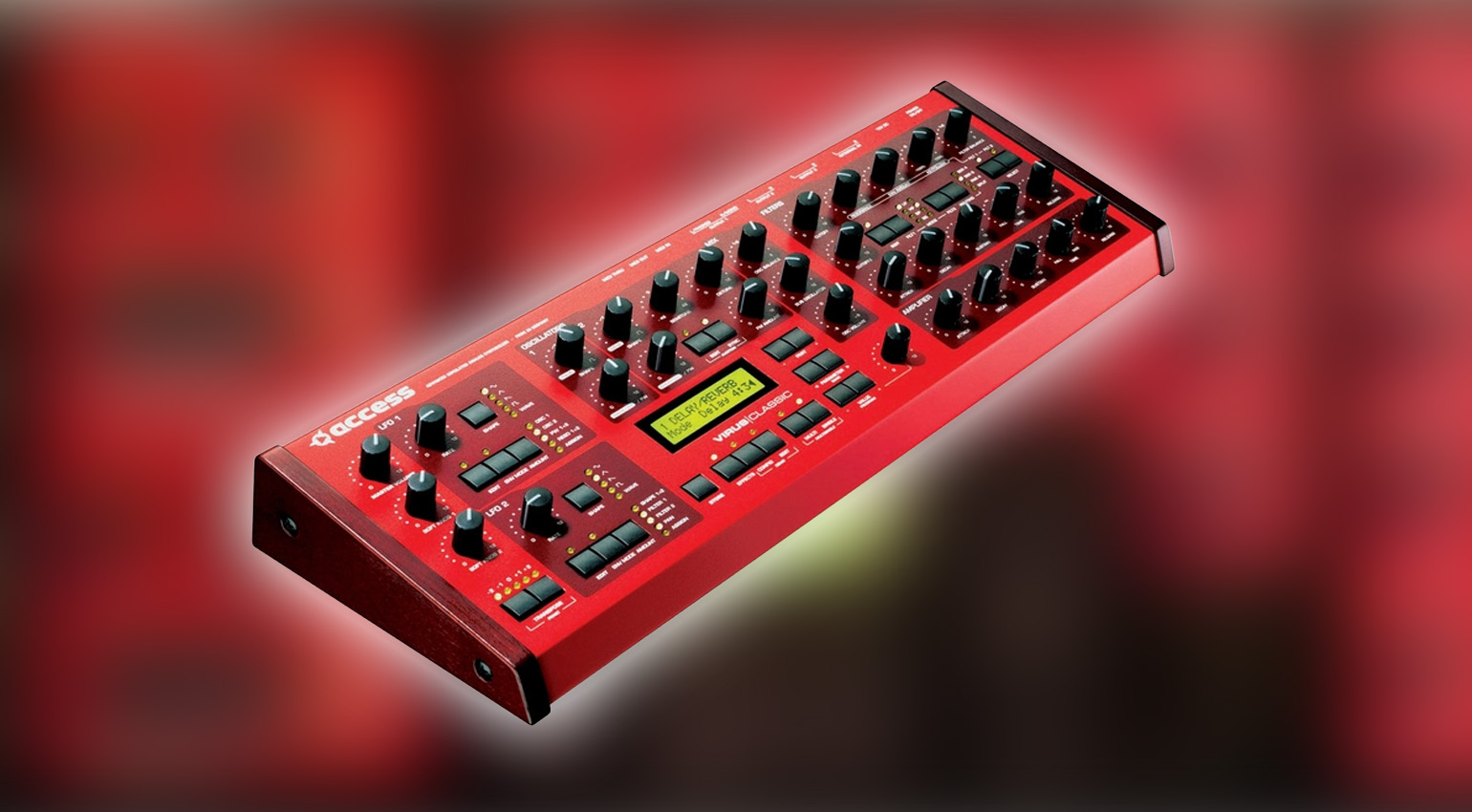
Whilst only produced in small numbers, this rackmount/tabletop synth drew many favourable reviews at the time and in 1999, Access released the Virus B, this time with expanded polyphony, numerous hardware improvements, and a much-requested keyboard version. A subsequent C version was released in the early 2000s, followed by the Virus TI and TI2. Sadly, Virus production ceased 12 years ago.
Using the popular Motorola 56000 DSP chips, the original Virus synths endeared themselves to owners who loved big, deep and fulsome sounds coupled with the resonant multimode filters. They represented a viable alternative to the machines from the big 3 and were seen as more affordable alternatives. It offered 12 voices of polyphony and some very decent FX in a box that utilised a very easy-to-understand interface.
Whilst the Virus went the way of the proverbial Python parrot, it lives on in the world of The Usual Suspects, who made it one of their early projects that emulated the Motorola 56k chips. Osirus and Ostirus do highly credible jobs of emulating all three of the Virus synths, as well as the Ti, Ti2 and Snow versions too. As always, read the small print and ensure you are legally able to use the ROMs required with these fantastic emulations.
In Conclusion
Of course, there were many other virtual analogue synths during the 90s and beyond, but as someone who was heavily invested in this type of synthesis back in the day, these were the ones that stood out for me as being the pioneers. Nowadays, VA synths are part of the fabric of our synthesizer toolkits, both in software and hardware form, but these five synths paved the way and, unsurprisingly, are still very much sought after today.
*Note: This article contains advertising links that help us pay for this site. Don’t worry: the price for you will always be the same! If you buy something through these links, we will receive a small commission. Thank you for your support!

This might also interest you


One response to “The 5 Virtual Analogue Synths That Kick Started a Revolution”

Ultranova, USB powered, with VA and wavetable, audio input into oscillator, USB audio and USB audio interface, VST controller/librarian. Way ahead of the rest at the time.