How and Why the Akai MPC Sample Broke the Internet

 5,0 / 5,0 |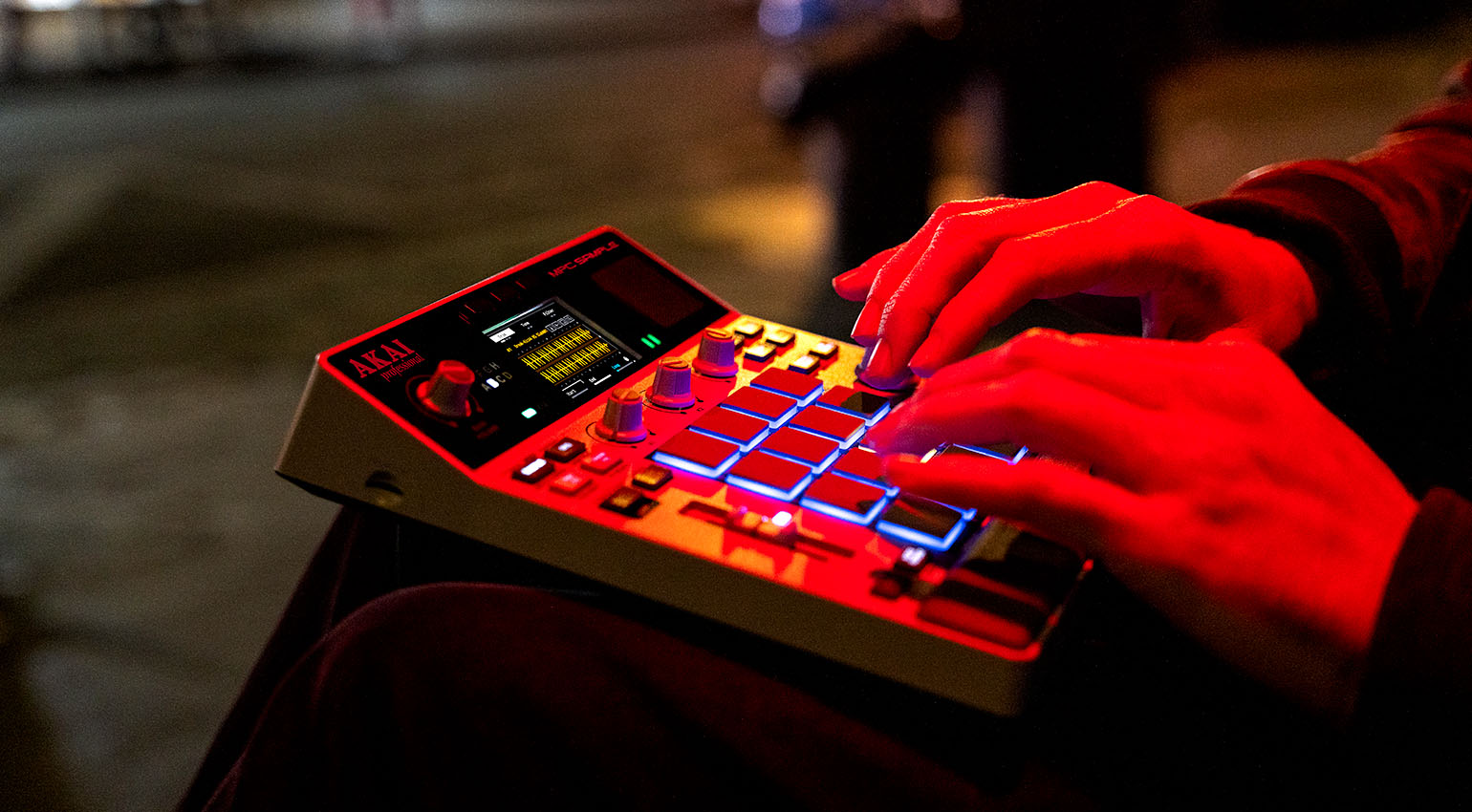

Akai’s MPC Sample has caused quite a stir online, drumming up lots of debate on both sides. Has Akai created something special, or is it just a “toy”? How does it stand up to the competition?
How and Why the Akai MPC Sample Broke the Internet
The MPC Sample Buzz
In just two short weeks, Akai have managed to create quite the buzz with their new MPC Sample. It has won over a legion of fans, from existing MPC beat-makers to people new to the world of pad-based sampling.
Then there’s everyone else, baffled by what they see as nothing more than a toy with limited functionality, with plenty of other, more “serious” alternatives. And so, because the internet is what it is, online battles ensue.
Head on over to YouTube, and you will find videos coming down hard on both sides, praising it for how it harks back to the good old days when making beats on an MPC was simple, uncluttered and, most of all, fun, countered by those who bemoan its lack of advanced, 21st-century features like stem separation and plugins.
It is the latter of these groups that I feel has completely missed the point of the MPC Sample. Take a look at what it does have, and one has to wonder how they pulled this off in a unit that, when you can find one, costs a mere £345.
My MPC Journey
When I first became aware of the MPC Sample, I was immediately interested, even though it’s not the way I make my music. My personal journey with MPCs has never been a great one. Back in the early 2000s, I was recruited to assist with Akai’s sound library at the time. This was with the original Akai Professional, based in Japan.
My job involved sampling, editing and cataloguing libraries for the S5/6000, Z4/8 and the MPC 1000 and MPC 500. The rack-mounted sampler stuff was great, working with the late Steve Howell at Hollow Sun to produce numerous libraries of vintage synths.
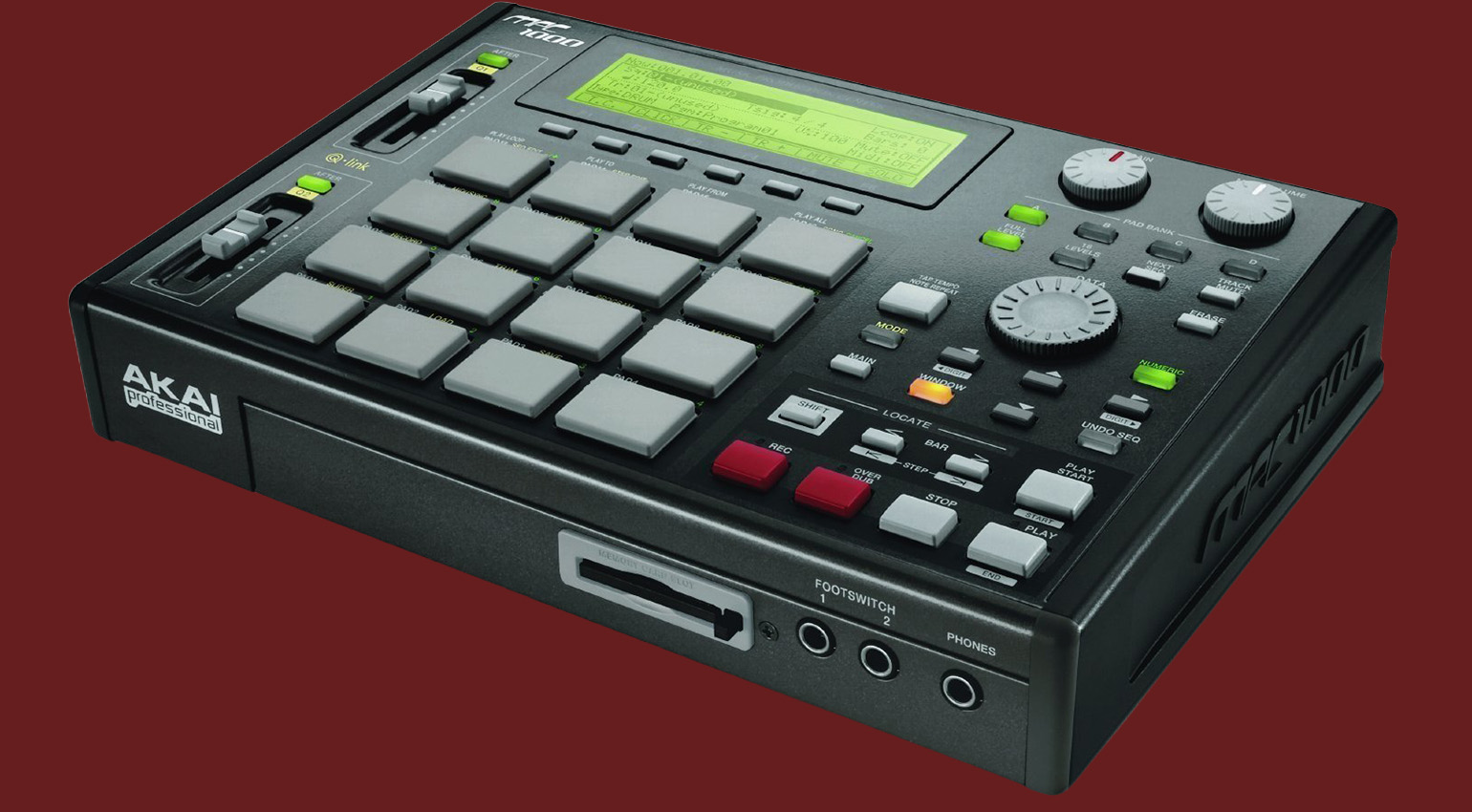
The task with the MPCs was similar, but almost completely drum-focused. Because I needed to be able to test these libraries, I was sent an MPC 1000 and MPC 500. I was very excited to finally have a go with these, but was soon disappointed.
Not because they were awful products. They totally weren’t, as many MPC 1000 users will attest. No, for me it was the whole MPC paradigm. Capturing loops and breaks, chopping them up and making kits out of them, using the small, text-only screen, seemed horribly unintuitive. The MPC 500 was even worse.
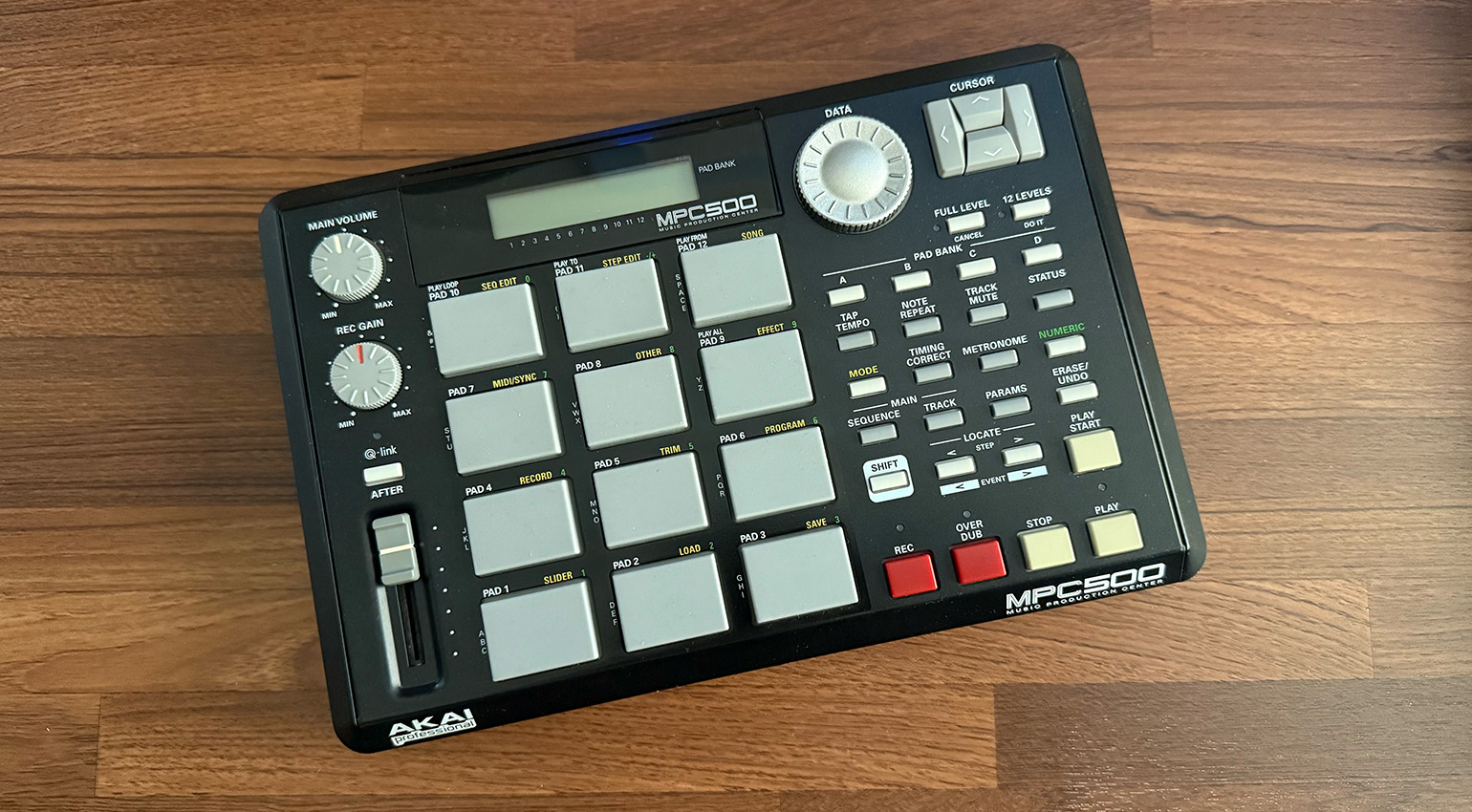
I would watch people work with these machines and produce incredible pieces of music with them, but I just couldn’t wrap my head around it. It just seemed far too convoluted, and I wondered if I might be missing something. But no, it was just me.
Not even the JJ OS made the 1000 any easier for me to get. They both ended up on a shelf, and I moved the MPC 1000 to a friend, keeping the MPC 500 in case I had a lightbulb moment at some point. I ended up doing similar work for the MPC 5000, but never bothered trying that out.
And then Akai Professional Japan collapsed. That’s a whole other story in itself, but my tenure continued after inMusic snapped them up. However, the new Akai slowly lost its grip and dominance on the market. The 5000 would be their last standalone MPC for a while, and they relinquished that market to the likes of Native Instruments and their Maschine product.
The Barren Years
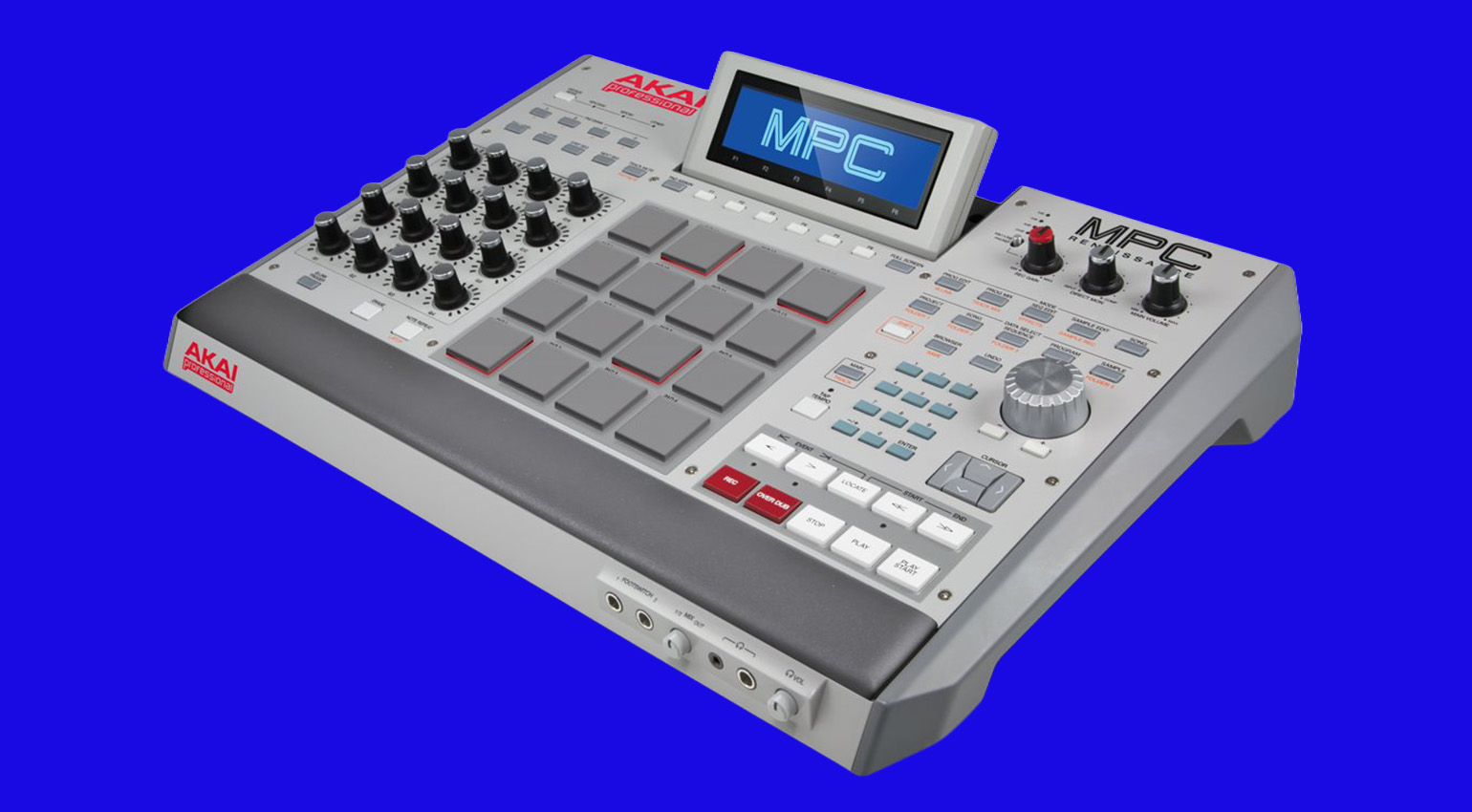
For a while, it seemed that Akai had given up on traditional MPCs. It would be nearly nine years after the launch of the MPC 5000 that they finally re-entered the standalone market with the first MPC Live. The intervening years had seen a slew of “hybrid” MPCs, like the MPC Renaissance, all reliant on a computer or tablet for functionality. The Live was a big deal.
And boy, had the MPC moved on. Full colour touch screens, brightly illuminated pads, a familiar workflow and plenty of connectivity. Something at Akai had woken up, and they were back. Since that point, we’ve seen two further iterations of the Live, the bigger X and at the start of 2026, the might MPC XL. The MPC had returned and reclaimed its crown.
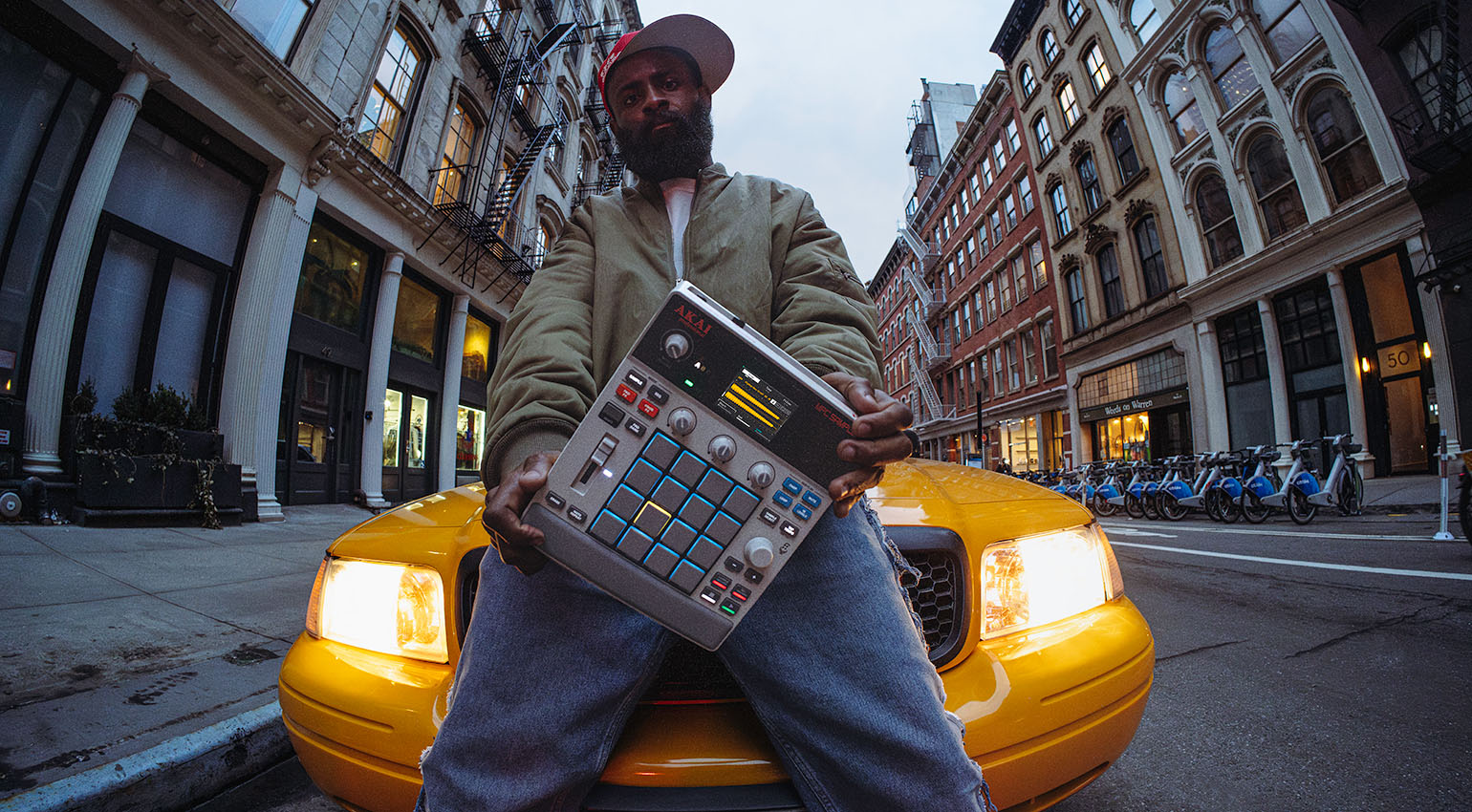
Why MPC Sample?
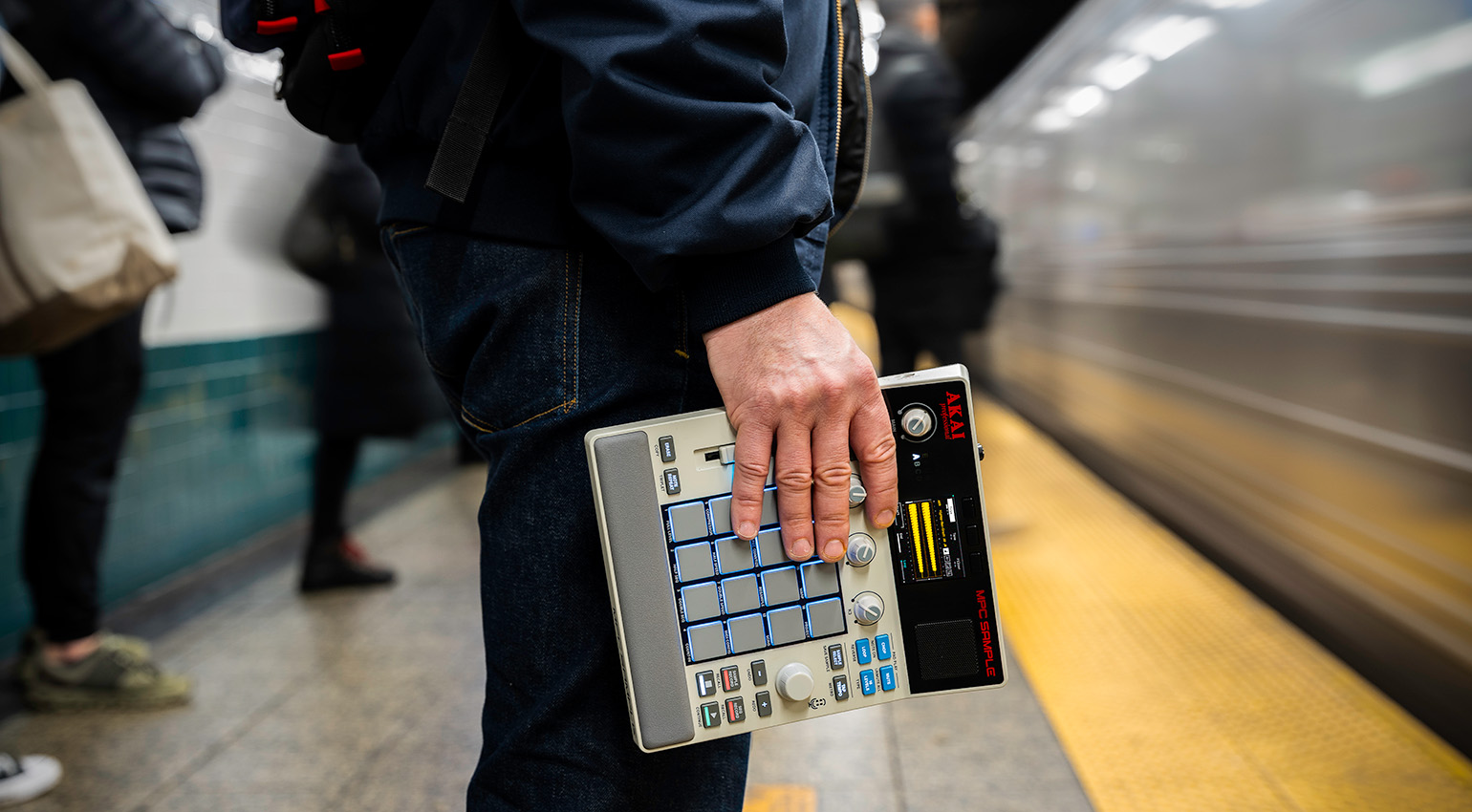
So why does the MPC Sample exist, and how did it make such a splash? Well, I’m sure Akai will give you numerous explanations, but for me, it exists to do two things, and it does both brilliantly well. It enables classic beat making on the move, but, more importantly, it remind us of the basics, the immediacy and sheer delight that exists in the basic world of MPC.
Sample. Chop. Make Beats.
The original MPC, the MPC 60, was designed by Roger Linn as an evolution of his Linn 9000. The 9000 had taken the previous LinnDrum and enhanced it with deeper MIDI sequencing capabilities. It could serve as both the rhythm generator and the instrument sequencer, but was plagued with issues.
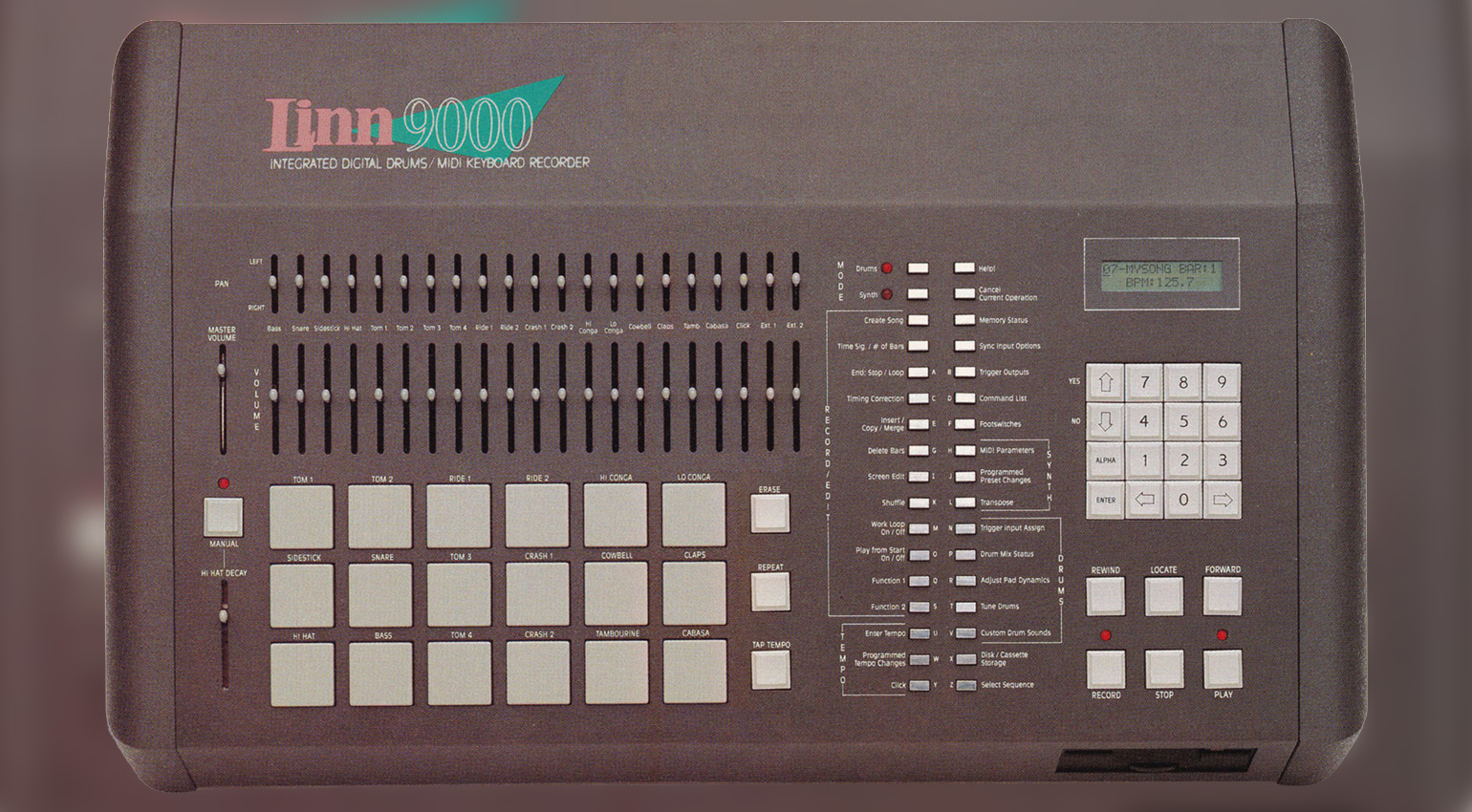
After Linn Electronics went bust, Roger teamed up with Akai to take that 9000 concept and do it justice. And boy, did he! The MPC fast became a fixture in many studios, but I don’t think anyone, including Linn, could have imagined the impact it would have on, and creation of, entire genres of modern music.
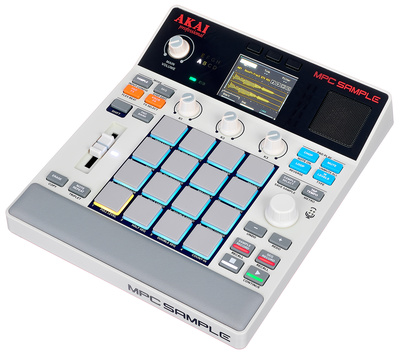
Whilst the MPC Sample lacks the full MIDI sequencing that the 60 enjoyed, it does retain its simplicity of use. It has things that the 60 could only dream of, such as a full colour display, extensive FX and performance features, poly aftertouch and internal battery power, making it completely portable.

Back to Basics
The MPC Sample has just enough of the fundamentals of the MPC paradigm, with a sprinkling of very cool additions to make it instantaneous and inspiring, removing most, if not all, of the fancy labour-saving features present in the new machines.
It forces its users into focus on the basics, an MPC 101 class, if you will. Everyone will understand the MPC Sample. New and experienced users alike will be having fun and making stuff within minutes of switching it on. And that’s the point.
It doesn’t need to be fancy, it doesn’t need the bells and whistles, and if you DO need those things, then you simply buy the Live III or XL. The MPC Sample isn’t a compact MPC; it is a completely different product that introduces the concept in a simple and affordable manner.


The Competition
One thing that has come up over and over again in the last two weeks is the comparison between the MPC Sample and two key products: The Teenage Engineering K.O.II and the Roland SP-404 Mk.II. I suppose these are both fair comparisons, but I still think the MPC Sample wins the day.
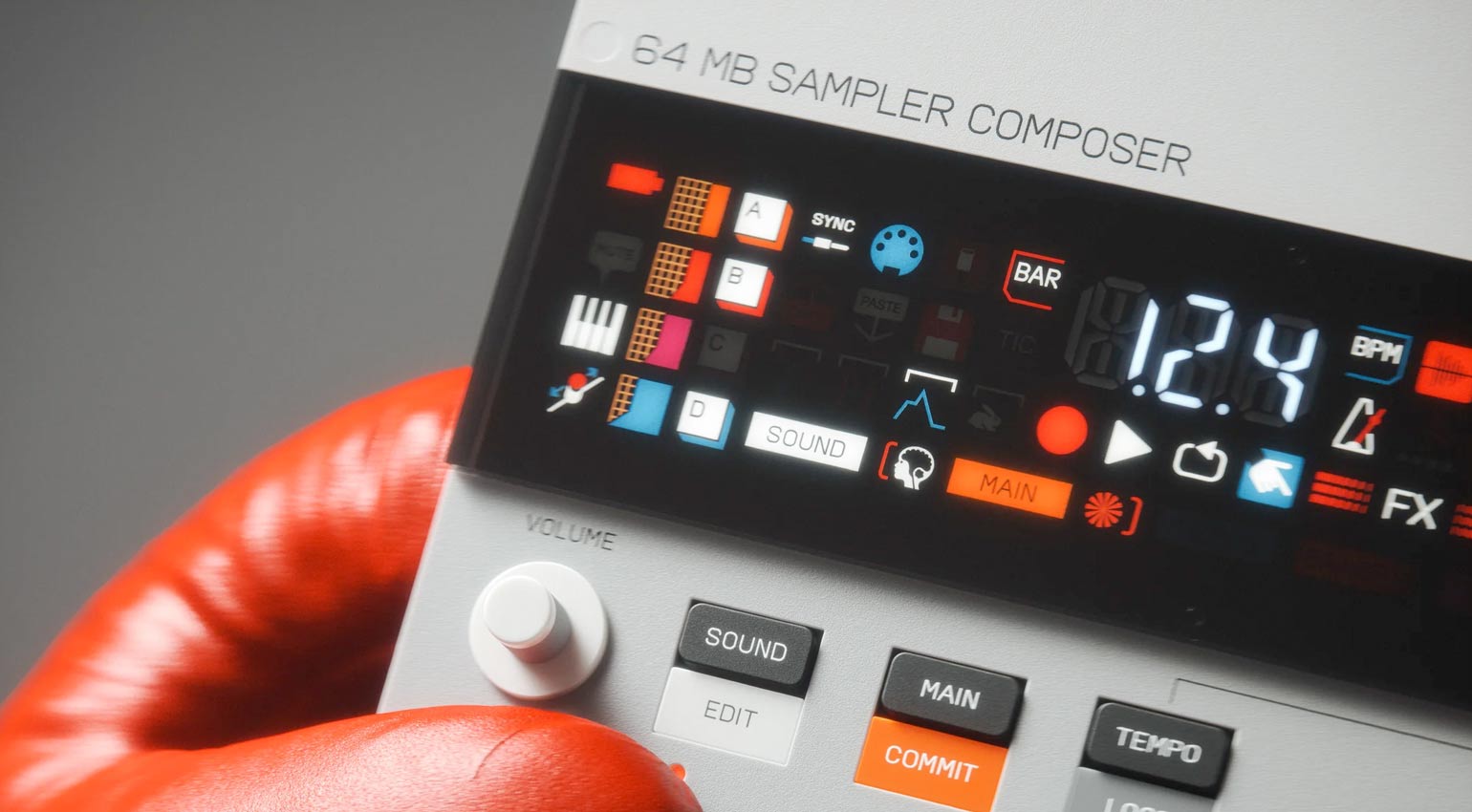
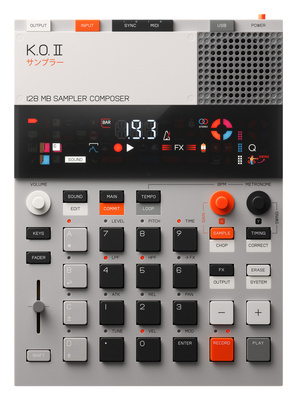
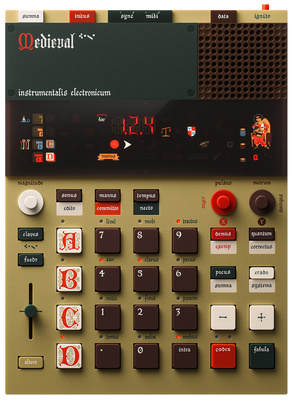
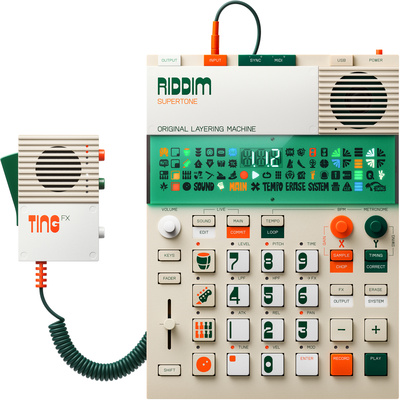
The K.O.II, and its Medieval and RIDDIM counterparts are very cool things, but they fall short of the MPC Sample in a few notable ways. First up, there’s no screen, just some digits and a bunch of funky-looking glyphs. Then there’s the woefully poor memory capacity. The K.O.II started off with a mere 64MB, but recently got updated to 128MB, in line with its siblings.
Also, the clacky buttons don’t feel great when playing, and the whole workflow is a bit “out there”. Don’t get me wrong, it has some superb features and some very unique selling points, but as fun as it is, it’s no MPC. That said, it costs £100 less.


The SP-404 Mk.II is £100 more, and certainly has a more professional look and feel, but I’m always put off by its design. Looking like something Spock would take down to the surface of a newly discovered planet, that whole circular screen window just doesn’t have the same detail as the Akai seems to.

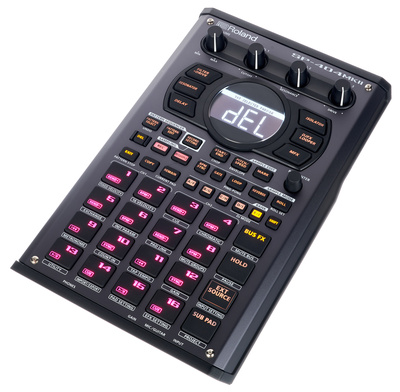
But it is a powerful thing, with a strong and dedicated following and can certainly do a lot more than the MPC Sample. And it is getting regular updates, such as the latest one featuring sidechaining. But as much as I try to love it, the MPC way just feels more… natural?
The Luxury of Choice
The most important thing, as far as I’m concerned, is that the MPC Sample has, for the first time, got me hooked into the MPC universe. I struggled for ages trying to have the MPC 1000 and MPC 500 work in my head, but never managed it. The MPC Sample has changed that completely.
As consumers, we have so many great choices. What works for you may not work for me, and vice versa. My requirements of a beat-making box are quite different from those of more professional and serious beat-makers. If you’re not sure which one to go for, go and try some out in person.
But Akai have to be congratulated on bringing back the pure, simple and joyous fun of sampling and beat-making in a unit that not only looks very cool, but costs as little as it does. With a few little tweaks in firmware, this thing will become a classic MPC, worthy of sitting up there with the MPC 60, MPC 2000 and MPC 3000, in my very humble opinion!
Akai have already got an update cooking, as revealed by Loopop in his excellent tutorial/review video. This will include sample normalisation and add an option to have the knobs latch or change settings immediately.
They’ve also promised the ability to export content from the MPC Sample to the Live 3, XL and to the MPC desktop software version 3.8 (due soon). It’s this feature that I think will win many more people over. Having the ability to come up with ideas on the Sample, then flesh those out in the MPC OS environment, will be huge.
- Akai MPC Sample Website
- Teenage Engineering EP-133 K.O.II Website
- Roland SP-404 Mk.2 Website
- More from Akai
- More from Teenage Engineering
- More from Roland
*Note: This article contains advertising links that help us pay for this site. Don’t worry: the price for you will always be the same! If you buy something through these links, we will receive a small commission. Thank you for your support!

This might also interest you
One response to “How and Why the Akai MPC Sample Broke the Internet”

Will they next release an MPC MIDI, with a full multi track linear midi sequencer, multiple midi outs, both USB Host and USB Device, with only playback of samples, and of course full compatibility opening the projects in the larger models and the desktop software?
Swipe my card!