The Economics of Sound: What It Really Costs to Make a Record Today
How do artists survive in today's music landscape?

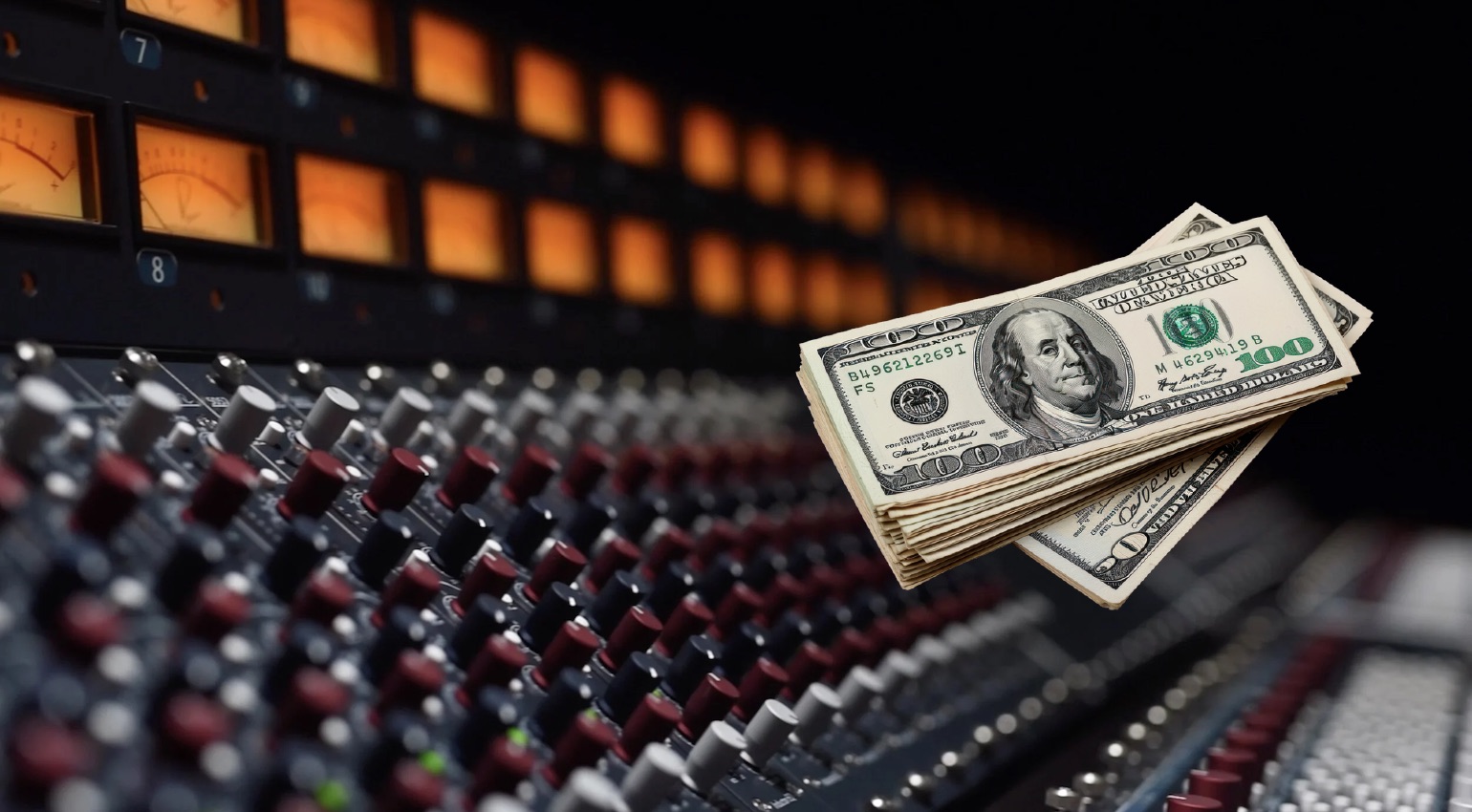
The Economics of Sound: What It Really Costs to Make a Record Today · Source: Rupert Neve Designs

We discuss the economics of sound, a topic that covers some of the different aspects of record-making in today’s digital landscape and the costs involved.
In this Article:
From inception to enjoyment, the record production process has never been as flexible as it is today, but it has also never been more misunderstood. At one end of the spectrum, technological freedom allows artists to produce endless songs from their bedrooms for almost nothing. Meanwhile, at the other extreme, high-end album productions can still cost hundreds of thousands.
However, one could argue that artists have always found a way to be heard, so the question becomes more about career sustainability than the cost of a single project. So how do we turn these investments into revenue in a streaming-focused music industry? Let’s find out.
The Economics of Sound: The Real Cost of Recording Music
Until we are replaced by programming scripts and robots, creating music remains a labour-intensive process. While we may have access to more resources than ever, taste, time, and experience still cost money.
Usually, creating an independent album can be done for anything between $5,000 and $25,000, while established acts may spend over $50,000 depending on the choice of studio, scope of recording, and the team they’re working with. If you take the DIY approach, you can complete a project for as low as $2,000 to $5,000, but there will often be compromises in areas such as the acoustics, the mixing, and the quality of performances.
Let’s look at a breakdown of project costs:
- Recording: $2,000–$25,000. Some projects only need vocal tracking in a rented studio, others do every phase, even the songwriting.
- Mixing: $1,500–$15,000
- Mastering: $300–$4,000
- Producer and session musicians: These costs can become the largest component for some projects
- Artwork, distribution, and PR: Considerable costs that can add thousands.
Hourly rates for renting studios range from $50 to $500, and producers can charge from $50 to over $2,000 per hour, depending on which tier of the industry you’re working in.
To sum up: The tools we use may have become more affordable, but specialized labour remains costly, and this is how you get professional-sounding records.
The Economics of Sound: Hidden Costs
If you follow any roll-outs in today’s music industry, you’ll see there’s more to it than simply making audio available on streaming platforms. Besides music videos, there’s social media content, interviews, podcasts, brand-aligned campaigns, and a visual strategy.
While in indie music video production budget can range between $2,000 and $15,000, a high-end shoot can cost well over $100K. Even if the visual source material was easy to come by, it still requires editing, colour grading, careful roll-out planning, and distribution to get noticed.
As a result, the actual cost of releasing music often expands beyond the walls of the studio. In the SoundCloud era, artists like Russ built loyal fanbases by treating songs like content released each week. Today, the marketing engines behind artists like Tyla have more in common with content creators and influencers than traditional music artists.
The Economics of Sound: Revenue Streams
While production costs may be relatively stable, the scope of revenue streams has shifted completely and even shrunk.
Although streaming is widespread, it pays very little unless you own 100% of your masters. The return per stream on Spotify, for example, is roughly $0.003–$0.005.
This means:
- 1 million streams = roughly $3,000 to $5,000
- 10 million streams = roughly $30,000 to $50,000
As an independent artist who spent, let’s say, $15,000 producing an album, relying on streaming alone to sustain your career is a pipe dream.
The sales of physical media and paid downloads may have been a factor once, but this time is over. As an alternative, artists have to rely on a range of different revenue streams.
Including:
- Live shows and touring
- Merchandise sales
- Sync licensing (film, TV, games)
- Brand partnerships
- Patreon and other fan subscriptions
As a result, today’s artist is more of a creative entrepreneur than simply a recording artist like Steely Dan.
The Economics of Sound: Production vs Promotion
As the musical climate changed, this shift transformed the allocation of budgets. In the days of physical sales, the majority of the budget went into recording, but today, major record deals are looking to recoup from touring.
A common budget allocation you might find is:
- 30 to 40% production (recording, mixing, and mastering)
- 30% visuals and content
- 20 to 30% marketing and promotion
As the streaming market has become saturated with both human and AI content, investing in a strategy for visibility has become as big a priority as the quality of the music, sometimes bigger.
The Economics of Sound: The DIY Revolution
While the collapse of physical sales decentralized the music industry, the rise of affordable technology made music production accessible to all. With only a laptop, a DAW, and a pair of headphones, you can produce songs that are suitable for release, spending only a fraction of what it cost 30 years ago. A grass-roots level project can get going for just $500 – $5,000 per song.
However, this newfound DIY incentive comes with drawbacks.
While no one can dispute that music is more affordable to make than ever, democratization breeds competition. This means that investment is essential to stand out in the flooded market, rather than just buying studio gear.
To sum up: the cost of music production may have fallen, but the cost of a sustainable career in music did not.
The Economics of Sound: Sustainability
The question of sustainability is pivotal.
This inherent mismatch between high production costs and low revenue from streaming has resulted in a noticeable sustainability gap. Even the most bare-bones professional projects need thousands paid upfront, while the returns are hard to project and slow.
This is why success for many artists is dependent on:
For many artists, profitability depends on:
- Building a loyal fanbase that buys tickets and merch
- Creating additional revenue streams
- Learning how to streamline production without compromising on quality
- Ensuring you own the rights and masters, if possible
This puts the middle class of artists, in between hobbyists and arena acts, under considerable pressure.
The New Economics of Sound
In the end, the financial side of today’s music market is defined by the fact that while music distribution is cheaper than ever, the actual cost of making music successfully and touring is not.
Yes, the tools and the workflows we use have evolved, but making great music that stands out still needs skill, time, and collaboration, which all come at a cost.
What’s changed more than anything is the world around music culture, and the systems that govern how music is consumed, marketed, and monetized.
For the artists of today, success is no longer about writing a great song that gets you picked up by a label. Instead, it’s about building a system around your musical output that allows you to reach your fans.
The building and maintenance of that ecosystem is where the cost truly lies.
More Info:
*Note: This article contains affiliate links and product widgets that help us fund our site. Don’t worry: the price for you always stays the same! If you buy something through these links, we will receive a small commission. Thank you for your support!

This might also interest you