Is AMYboard the Cheapest Hardware Synth?: Synth Journal
The best of the rest of this week’s synth news.

 4,1 / 5,0 |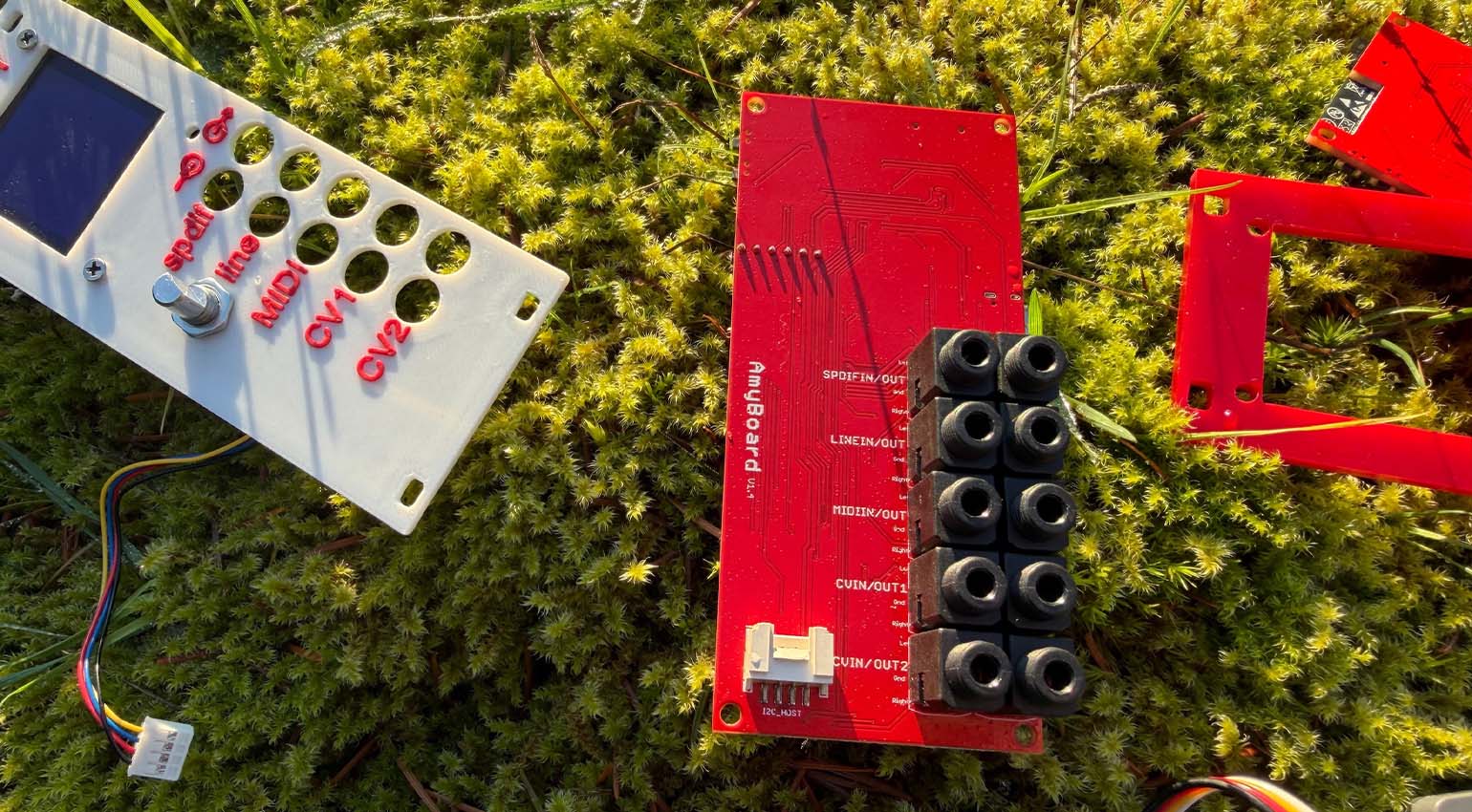

AMYboard may be the cheapest hardware synth you can get. That and more in this week’s Synth Journal.
Synth Journal
Shore Pine Sound Systems AMYboard
We’re used to plugins coming in at under $100. But what about hardware? This may be the cheapest hardware synth on the market today. It’s called AMYboard and it comes from Shore Pine Sound Systems, an outfit that releases extremely affordable DIY devices, like the Tulip Creative Computer.
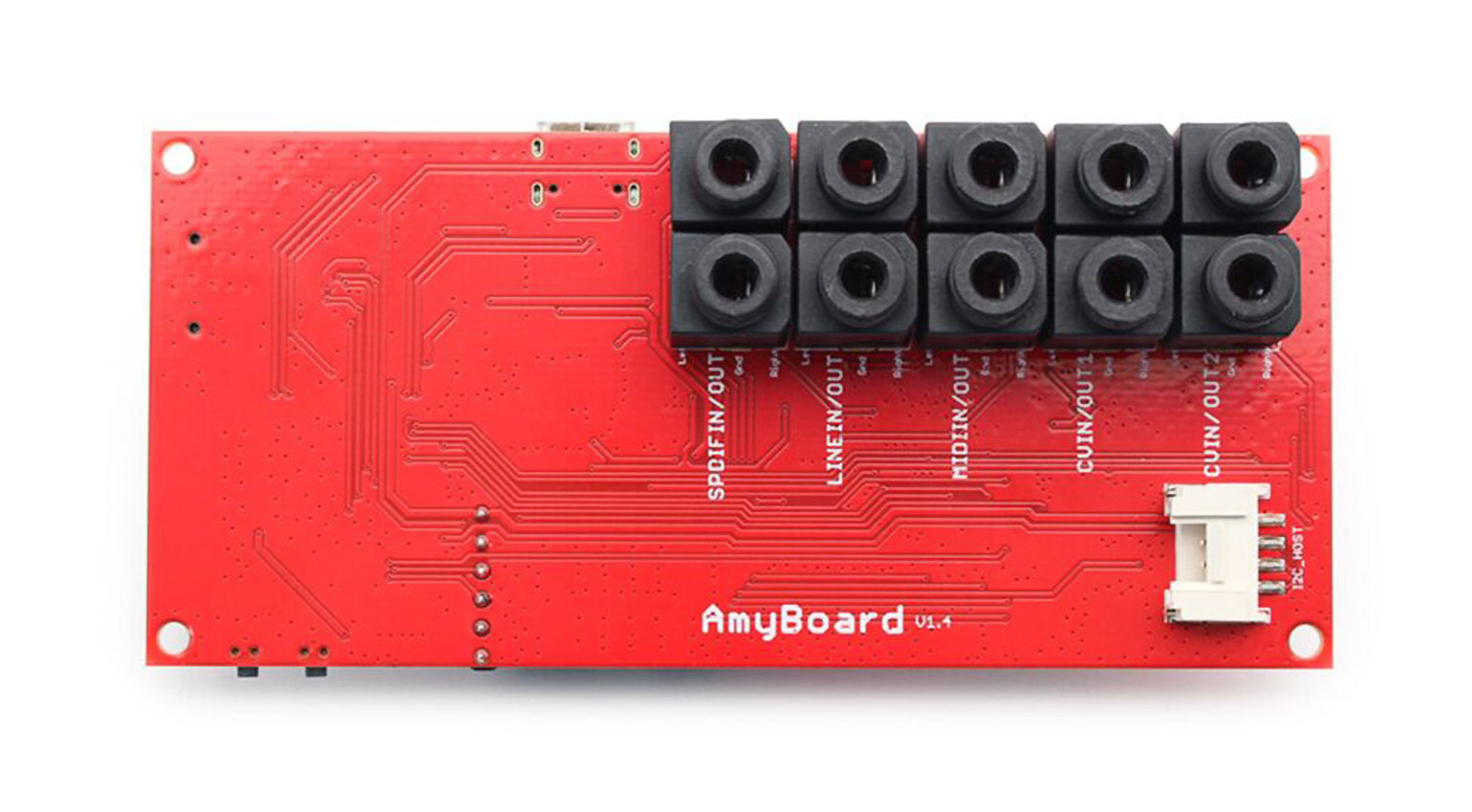
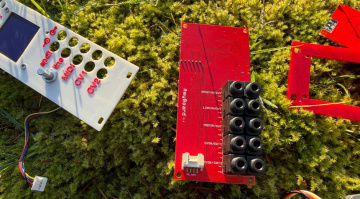
AMYboard is an open-source hardware synth with 10 3.5mm jacks and an acrylic front panel so you can use it in a Eurorack case as a 10HP module. Inside is AMY, a music synthesizer library that supports virtual analog, FM, samples, wavetables, and more. You interface with the library via USB and an online editor, and you can also write code for it in Python, C, or Arduino.
As for those ports, you get stereo audio in and out, two CV channels (in and out), MIDI in and out, and stereo SP/DIF digital audio. There’s even a microSD card for sample and program storage.
Check out AMYboard at the link below and try out the online version too. It’s $29.90, making it the cheapest hardware synth I can think of.
- Shore Pine Sound Systems AMYboard product page
Aftersound.Tech Loopa
Aftersound.Tech has been working on Loopa since 2022. A “portable, battery-powered multi-tool,” in the words of the company, Loopa combines a polyphonic synthesizer engine, a multi-track tape recorder, a step sequencer, and a live looper. It’s giving OP-1 vibes and also reminds me of the VOID9 MÕNAI, which appeared at the most recent Superbooth.
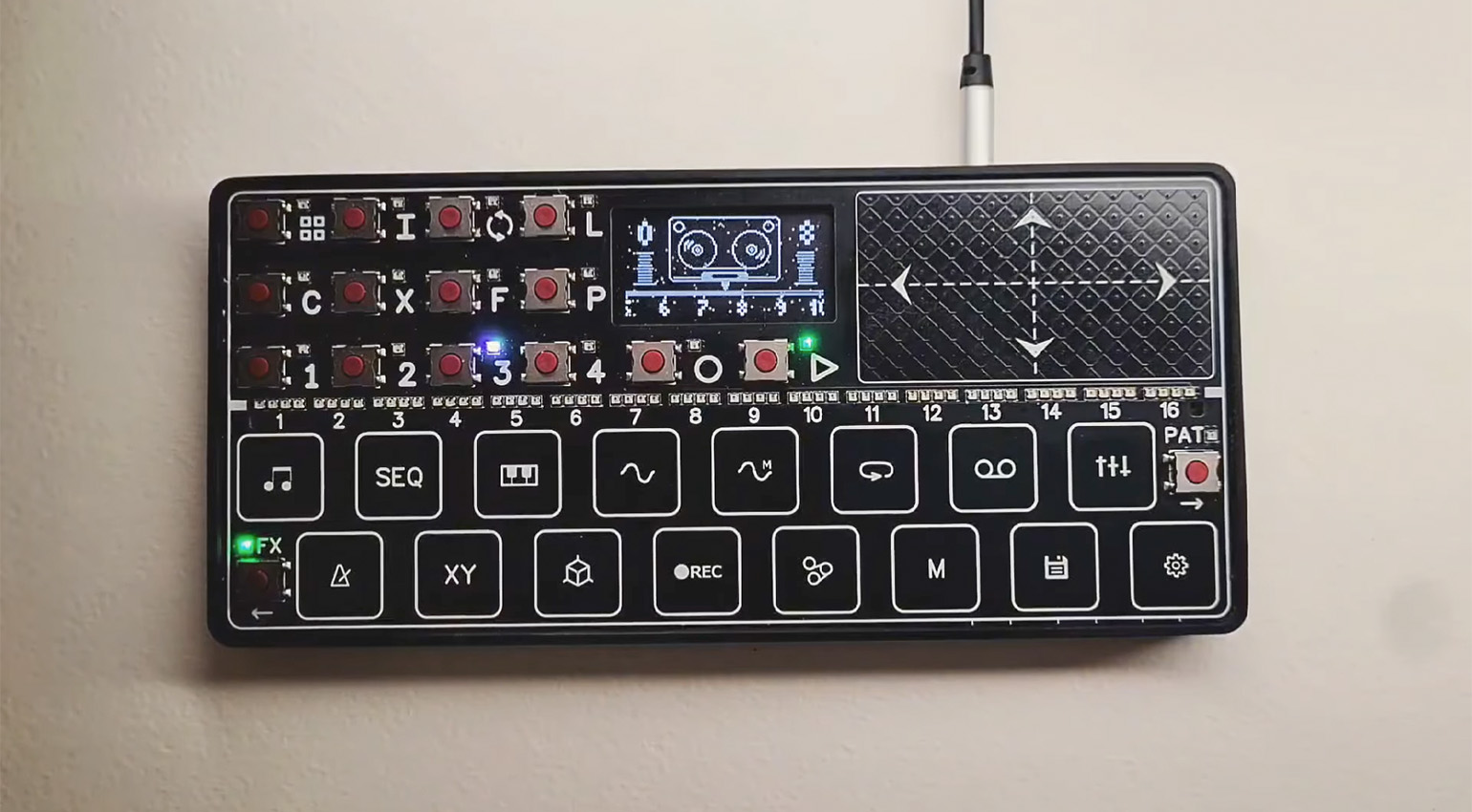
The Loopa hardware is almost ready, but the company recently announced that you can try out the internal software online. The web simulator lets you play the different instruments and effects and even try making your own.
Visit the site to try it out and sign up for the wait list if you’re interested.
- Aftersound.Tech Loopa product page
Recovery Larking
The mad scientists over at Recovery have an experimental new creation to get you droning. Called Larking, it’s a four-voice ambient synthesizer that blurs the line between noise instrument and traditional keyboard synth.
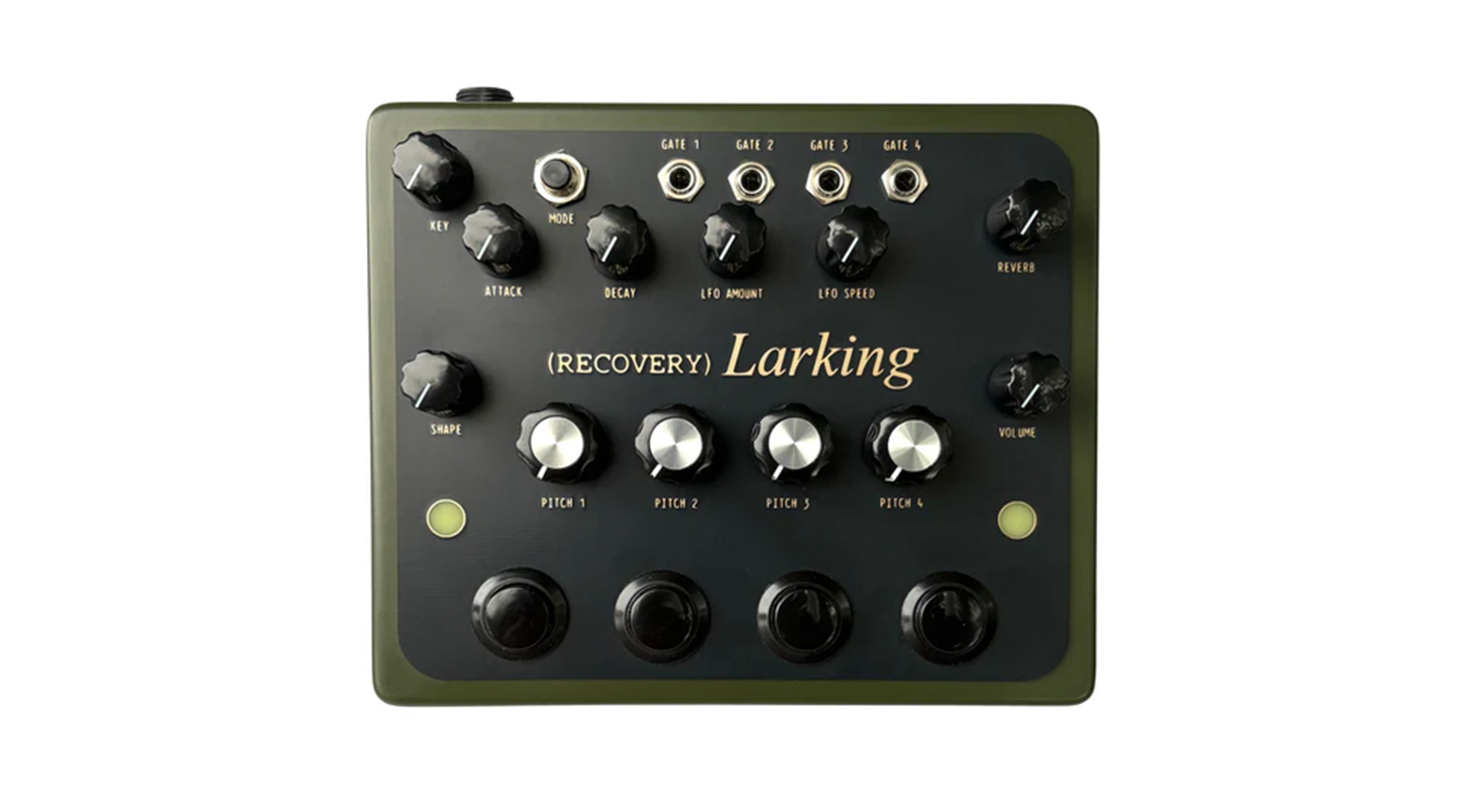
I say blurs the line because it has stakes in both worlds. First off, it’s very much a drone instrument, with a morphing tonal engine that moves each voice from a sine-like starting point into harmonic saturation. On the other hand, it has plenty of concessions to playability, too. Each oscillator is quantized to scale degrees and can be triggered via the onboard buttons, gate, or MIDI. It also gives you attack and decay controls over amplitude. A global LFO and reverb complete the package.
Larking is available in four colors: black, green, copper and white. Price appears to be $300.
- Recovery Larking site
Scaler Music Carbon Electra 2
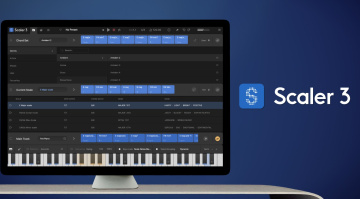
Way back in 2015, Plugin Boutique released Carbon Electra, a four-oscillator virtual analog soft synth. Now, 11 years later, the synth is back, this time with Scaler Music at the helm. As you might expect from Scaler Music, the team behind the essential Scaler plugin, Carbon Electra 2 has been infused with musicality to a degree that you don’t often find in synthesizers.
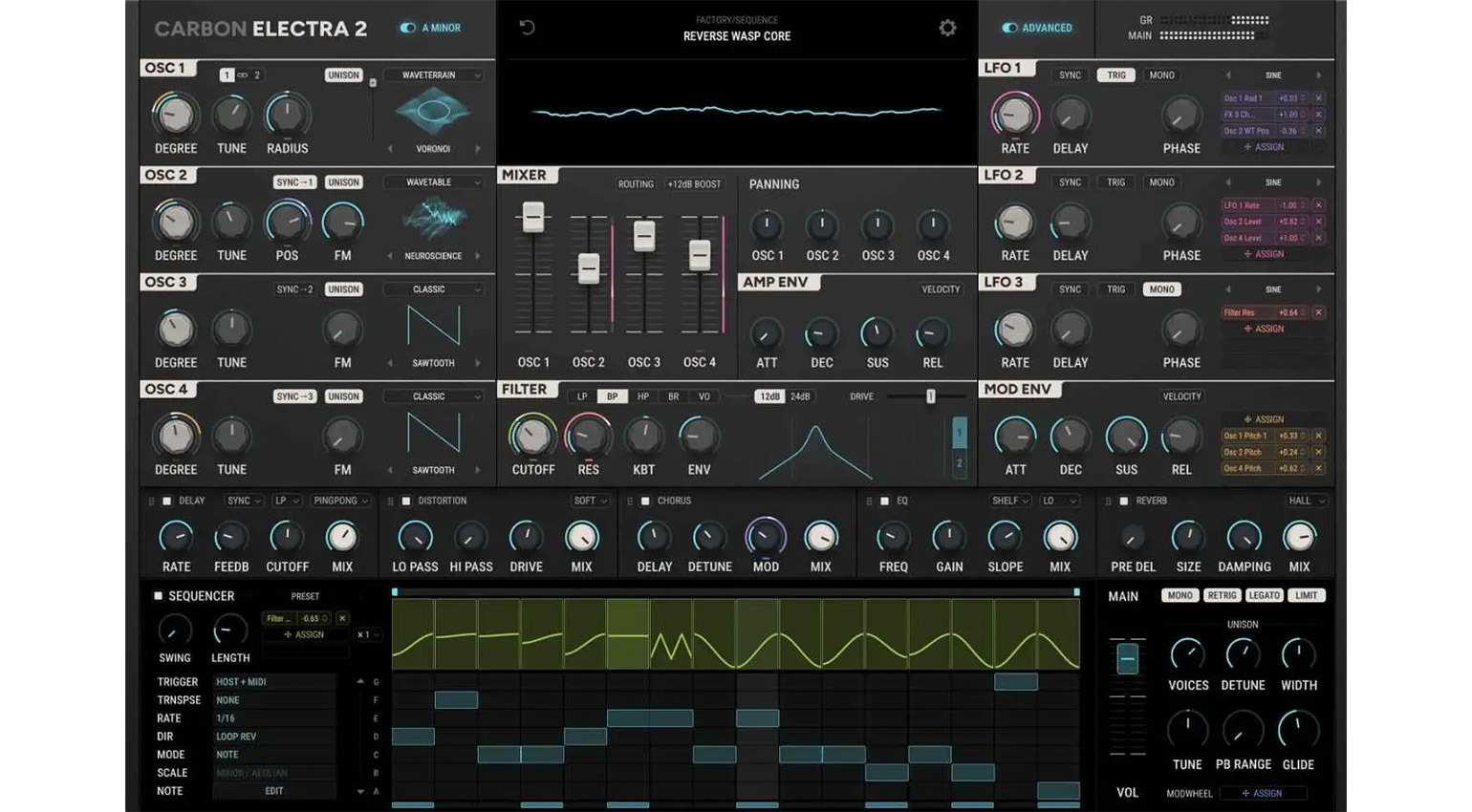
To start with, the oscillators can now conform to musical notes rather than just frequencies. The filter also follows scales, as does the sequencer. It all contributes to a very musical synthesis experience.
Other changes include a new Waveterrain synthesis mode for the oscillators, which calculates a 3D surface over which a 2D harmonic curve moves and modulates. There are also classic wavetables.
I have to ask, though. Is the name really a pun on Baywatch star Carmen Electra?

- Scaler Music Carbon Electra 2 product page
Daniel Spils JP Patches
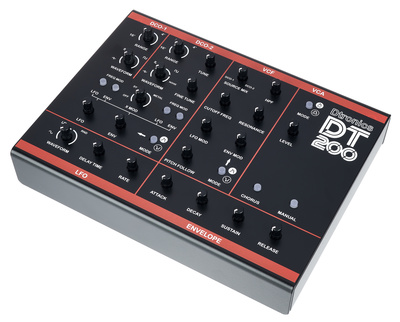
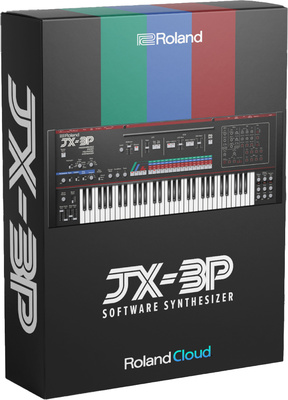
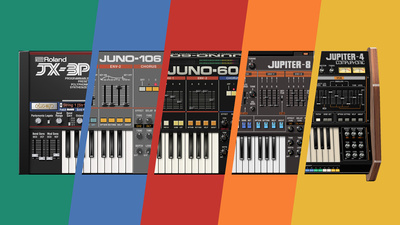
Developer Daniel Spils got in touch because he read my piece on the Roland JX-3P. It turns out that he’s created a patch editor called JP Patches for the 1983 polyphonic synth. There’s a caveat, though. It doesn’t work over MIDI – at least not yet.
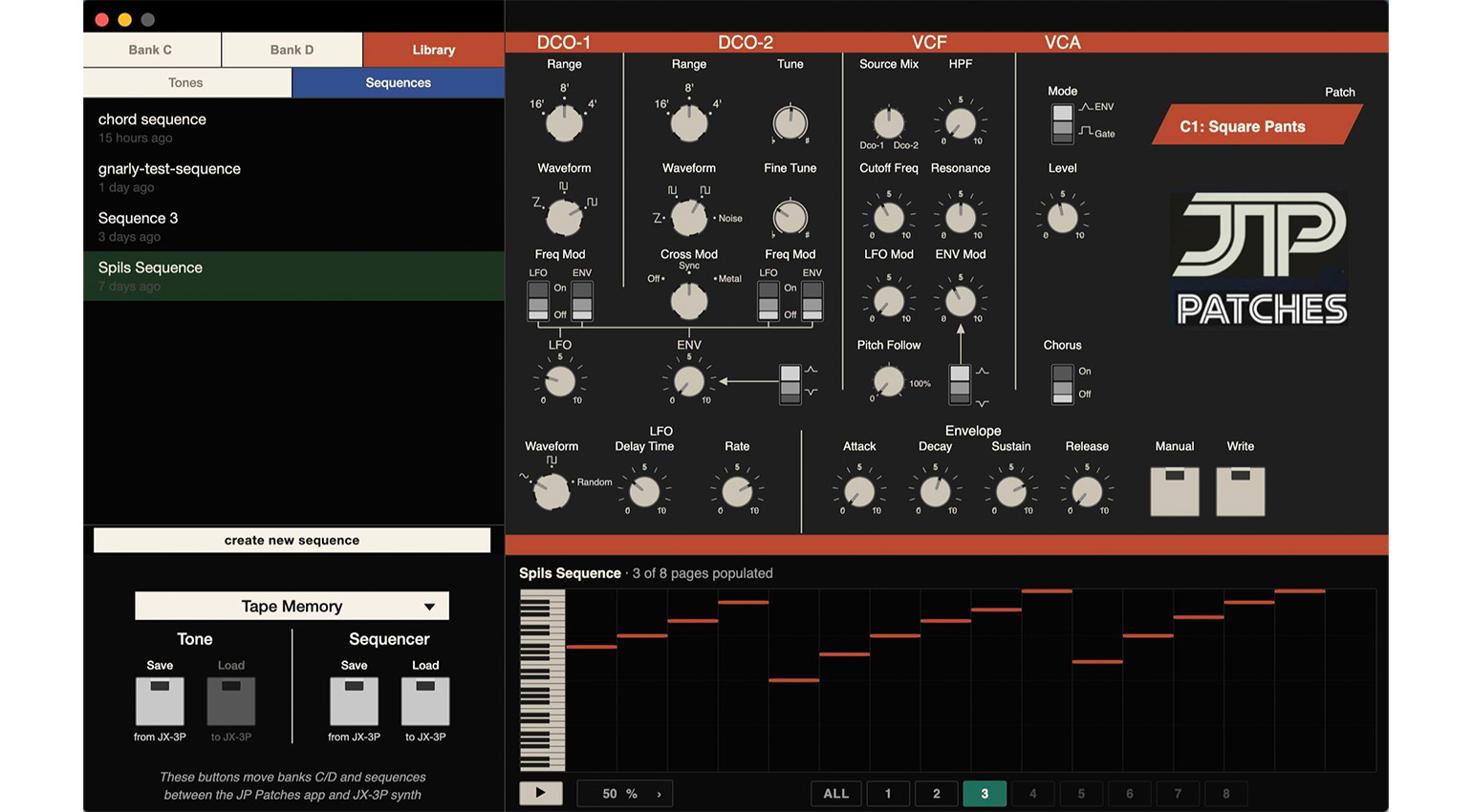
“I’ve always wanted a way to easily save patches to my computer. But the JX relies on outdated tape dump technology. Think the hiss, chirp and screech of an ‘80s dial-up modem plus audio cassette tape as memory! I couldn’t find a program so I decided to build my own,” he says.
JP Patches can transfer patches to and from the synth. Additionally, you can create sequences on the app and send them over. There’s also a fully functional PG-200 dashboard and more.
The editor requires you to use the tape dump to send information. This is less than ideal but Daniel is hoping to add compatibility for the Series Circuits MIDI upgrade in the future.
JP Patches is free from Daniel’s site. If you own a JX-3P, give it a try.



- Daniel Spils JP Patches product page
More Information
- More about synthesizers
- Buy synthesizers at Thomann*
*Note: This article contains advertising links that help us pay for this site. Don’t worry: the price for you will always be the same! If you buy something through these links, we will receive a small commission. Thank you for your support!

This might also interest you