The Best Electric Guitar Strings for Every Genre: Better Tone, Longer Lasting, Your Sound
Part one of the best strings for every genre!

 3,5 / 5,0 |
The Best Electric Guitar Strings for Every Genre: Better Tone, Longer Lasting, Your Sound · Source: D'Addario

Choosing the right strings for your guitar and preferred genre can radically transform how your instrument feels and sounds. This guide to the best electric guitar strings for every genre focuses on the subtle yet crucial differences that shape tone, response, and longevity. Genres and playing styles like tight, aggressive metal riffing, warm jazz phrasing, or snappy funk rhythms can benefit from different materials and gauges.
The Beast Guitar Strings for Every Genre:
The Best Electric Guitar Strings: What You Need to Know
When you’re looking for the best electric guitar strings for your genre, it is important to understand how gauge, material, and construction affect tone and feel. For example, gauge refers to string thickness and typically ranges from light (.009–.042) to heavy (.011–.052 and above). Lighter gauges are easier to bend, making them ideal for rock, blues, and funk.
In comparison, heavier gauges provide more tension and tuning stability, as well as a tighter low end, making them popular for metal and down-tuned styles. However, heavier strings also tend to produce more volume and sustain, and require stronger fingers and proper setup.
The material used also significantly impacts both tone and longevity. Most electric guitar strings are made of nickel-plated steel, which offers a balanced sound with warmth and clarity. Pure nickel strings produce a warmer, smoother sound, making them popular for bluegrass, jazz, and classic rock.
Stainless-steel strings, on the other hand, deliver brighter highs, more attack, and increased durability, making them popular with modern rock and metal players. Finally, coated strings add a thin protective layer that significantly extends their lifespan, though some players report a slight change in tactile response.
When to Change Your Strings
Construction and core design also matter when choosing the best guitar strings for tone and longevity. Roundwound strings are the most common and provide a bright tone and strong harmonics. Flatwound strings, meanwhile, produce a smoother surface and a darker sound, which is preferred in jazz and certain funk styles. Hex-core strings feel tighter and more focused, offering faster attack and stability, while round-core strings feel more flexible with a vintage feel.
As for when it’s time to change your strings: Over time, strings can accumulate dirt, sweat, and oxidation, which can dull the tone, reduce sustain, and lead to more re-tuning. Common signs that it’s time for a change include a loss of brightness, difficulty staying in tune, a rough or sticky feel, and even visible discoloration.
Professional players often change their strings before every performance or recording session, whereas regular players may change theirs every 2–6 weeks, depending on how often they play. Of course, your playing style and string type also affect lifespan.
Coated strings last significantly longer and can remain usable for several months, while uncoated nickel or stainless-steel strings may lose their tone much faster. Additionally, players in genres such as metal and rock, where aggressive picking and sweat exposure are common, may need to replace their strings more often.
The Best Electric Guitar Strings for Rock
From crunchy rhythm parts to soaring solos, the right electric guitar strings can dramatically affect sustain, feel, and attack. The best electric guitar strings for rock typically balance flexibility, durability, and that unmistakable bright-but-full nickel tone heard on countless classic records.
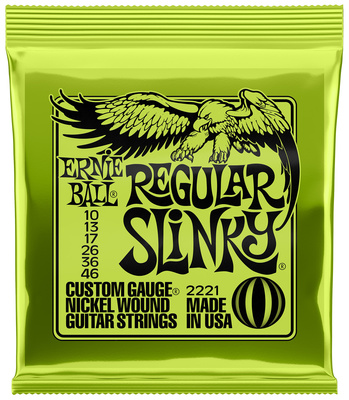
Ernie Ball 2221 Regular Slinky
The Ernie Ball Regular Slinky Electric Guitar Strings are arguably some of the most popular rock strings ever made. Introduced in the 1960s and used by players like Slash, Jimmy Page, and Eric Clapton, the 10–46 nickel-plated steel gauge offers a balanced response between tight low-end and flexible highs for bends and vibrato. Their tone is bright and punchy without sounding harsh, making them ideal for everything from classic rock to modern alternative.
Get them from Thomann*.


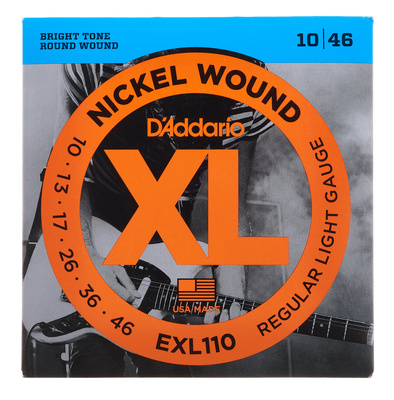
D’Addario EXL110
The D’Addario EXL110 Nickel Wound Electric Guitar Strings are among the best electric guitar strings for rock, thanks to their balanced tone and durability. Their nickel-plated steel construction delivers a slightly tighter low-end than some competitors, with clear mids and crisp highs that cut through a mix.
These strings are also known for their tuning stability and consistent manufacturing quality. Many professional and touring musicians favor EXL110s because they hold intonation well under aggressive playing, making them especially reliable for live rock performances.
The D’Addario EXL110 Nickel Wound are available from Thomann*.

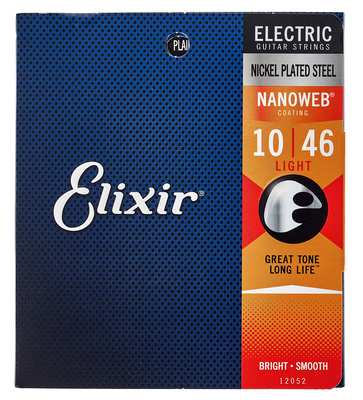
Elixir Nanoweb Electric
The Elixir Nanoweb Electric Guitar Strings feature a thin protective coating that significantly extends their lifespan. Their tone stays fresh much longer than traditional strings, while still delivering the bright attack and smooth feel rock players need.
They are particularly popular among touring musicians and players who want less frequent string changes. While slightly smoother in feel due to the coating, they still retain enough bite and clarity for rock riffs, making them one of the best electric guitar strings.
Check them out at Thomann*.

The Best Electric Guitar Strings for Metal
Electric guitar strings used for metal are subject to much more extreme demands, especially with regard to tuning stability, attack, and low-end clarity. The best electric guitar strings for metal must stay tight under heavy picking and distortion while maintaining precise articulation in lower tunings. Durability is also crucial, as aggressive playing techniques can wear out strings more quickly.
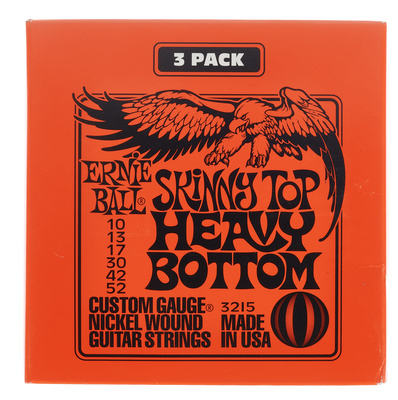
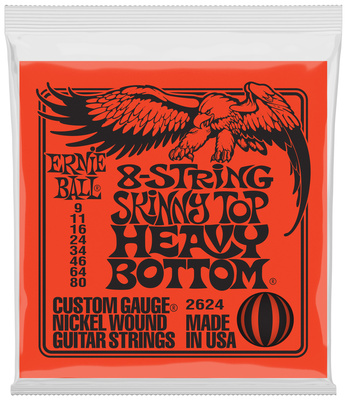
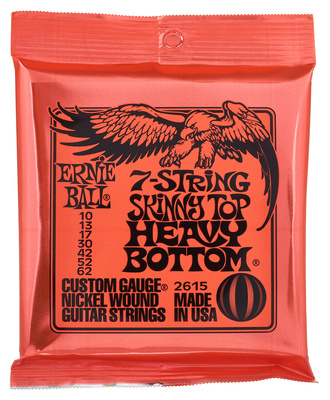
Ernie Ball Skinny Top Heavy Bottom
This hybrid set is one of the most widely used electric guitar strings for metal because it combines flexible treble strings with tighter low strings. That makes fast solos easier while keeping rhythm riffs tight and punchy. And its nickel-plated steel construction delivers the aggressive brightness and output metal players need.
Get them from Thomann*.
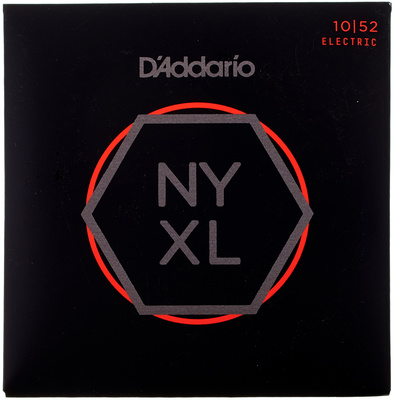
D’Addario NYXL
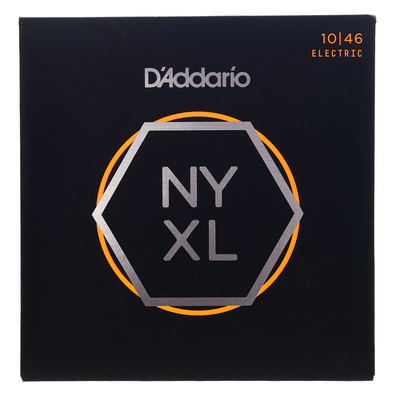
NYXL strings are known for their exceptional tuning stability and strength, making them ideal for heavy playing and frequent downtuning. Their reinforced core improves durability and helps maintain clarity under high gain. Many modern metal players rely on NYXL sets for their consistent performance both live and in the studio.
They’re available from Thomann*.
- Website
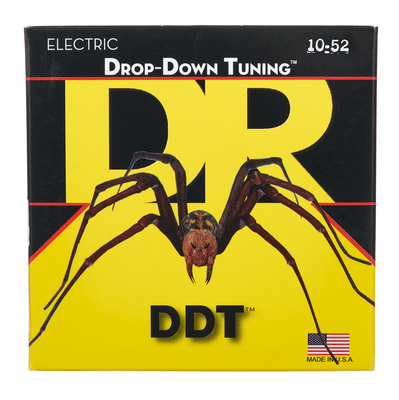
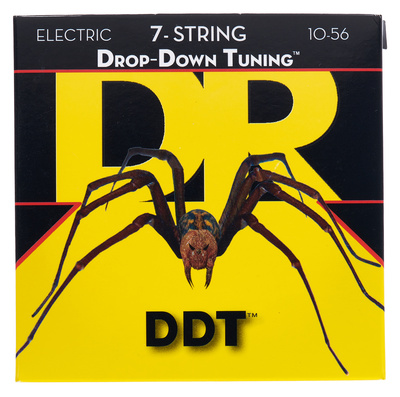
DR Strings DDT Drop-Down Tuning
These strings are specifically designed for lower tunings and maintain tight tension, unlike standard sets that can feel loose. They provide excellent definition and stability even in Drop C, Drop B, or lower. That makes them a popular choice for modern metal, djent, and other heavy styles.
Buy them from Thomann*.

The Best Electric Guitar Strings for Jazz
Jazz guitarists typically prioritise warmth, a smooth feel, and tonal balance over brightness and aggression. The best electric guitar strings for jazz emphasize a rounded low end, controlled highs, and minimal finger noise. This supports clean chord voicings and expressive lead playing. Heavier gauges and pure nickel construction are particularly popular as they enhance sustain and reduce harsh overtones.
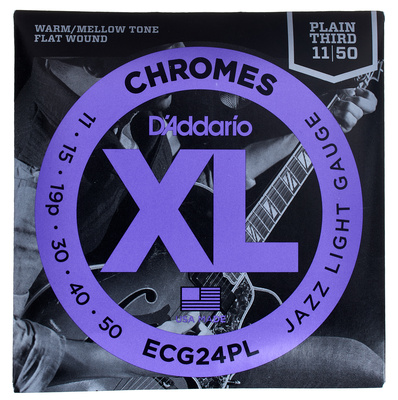
D’Addario ECG24 Chromes Flatwound
Thanks to their smooth surface and warm tone, these flatwound electric guitar strings are a staple among jazz players. Flatwounds naturally reduce finger noise and produce a darker sound, which is perfect for traditional jazz styles. Their slightly heavier gauge also improves note stability and fullness, particularly on hollow-body guitars.
Get them from Thomann*.
- Website
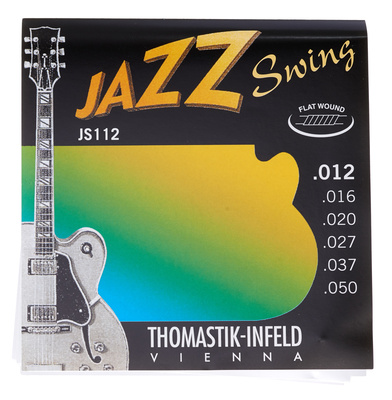
Thomastik-Infeld Jazz Swing JS112
These premium flatwound strings are widely regarded as a benchmark for jazz tone and feel. They offer exceptional flexibility despite their heavier gauge, along with rich harmonic complexity and a long lifespan. Many professional jazz guitarists favor Thomastik-Infeld strings for their smooth response and balanced output.
You can get them from Thomann*.

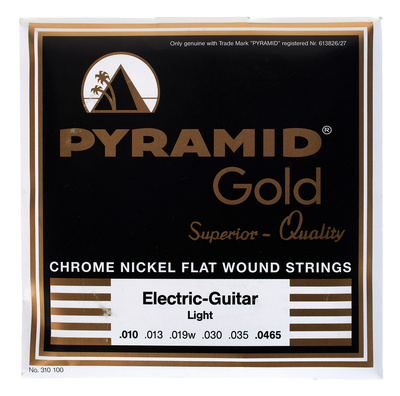
Pyramid Gold Flatwound
The Pyramid Gold Flatwound Electric Guitar Strings are among the most authentic vintage-style strings on the market and are a serious contender when it comes to the best electric guitar strings for jazz. Manufactured in Germany using traditional methods, they produce a warm, woody sound with reduced brightness and excellent string-to-string balance. Perfect for jazz musicians playing intricate chords and expressive phrasing.
Compared to Thomastik-Infeld or D’Addario Chromes, Pyramid Gold strings feel slightly stiffer but offer greater tonal depth and clarity, especially on hollow-body guitars. Many jazz traditionalists favor them because they emphasize fundamental notes over harmonics, producing the classic Wes Montgomery sound that defines vintage jazz tone.
They’re available from Thomann*.

Conclusion
Of course, there are many, many more genres than rock, metal, and jazz. But to avoid creating one giant, endless list of the best electric guitar strings for every genre, this will serve as a recurring purchase advisor for many other genres.
Now, we’re handing the mic over to, dear readers! Which electric guitar strings are your favorites? Which genres require markedly different strings compared to rock, metal, or jazz? Let us know in the comments!

This might also interest you



4 responses to “The Best Electric Guitar Strings for Every Genre: Better Tone, Longer Lasting, Your Sound”

My Favorite strings: GHS BOOMER’S !
Skinny ones for the single-coil guitars, Mid-heavy’s for the humbucker’s.
Many thanks to GearNews.
I put flats on all my gear, cant go back.
NYXL
Do expensive strings sound different?
In high-gain situations imho there’s no difference, especially after you mix together all guitars.
Can’t speak of clean tones and acoustic guitars though.