Bastl Instruments Citadel Alchemist: Storm the Kastle with Eurorack, DIY & Open Source Hacks
Experimental digital craziness on your table, in your Eurorack rig, or out of your mind.

 2,7 / 5,0 |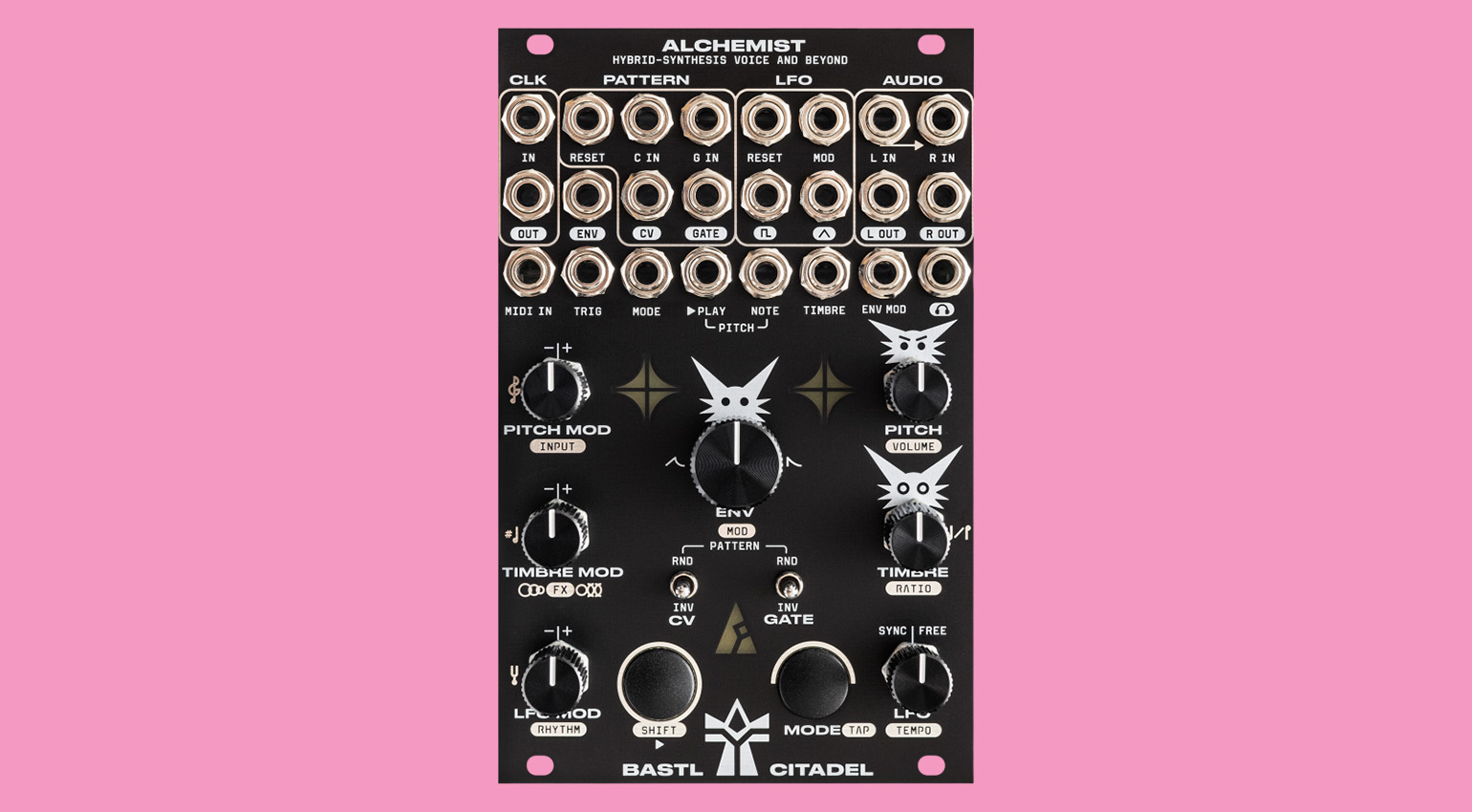


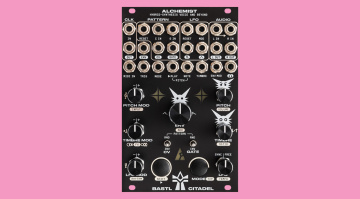
Citadel Alchemist turns the Bastl Instruments Kastle 2 Alchemist synth into a Eurorack module. Bastl is also offering DIY versions of the Kastle 2 and Citadel series, plus open source compatibility so you can program your own DSP! Now Available.
Available Now!
Get it here at Thomann*.


Bastl Instruments Citadel Alchemist
I’ll be honest: Bastl Instruments’ Kastle 2/Alchemist series is doing my head in. In a good way. There’s the crazy sound and effects possibilities on the one hand, and trying to keep everything straight on the other. But it’s my job to figure all this out and explain it in a way that anyone (you included) can understand. So here goes:
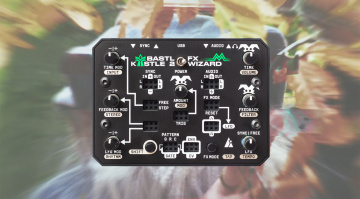
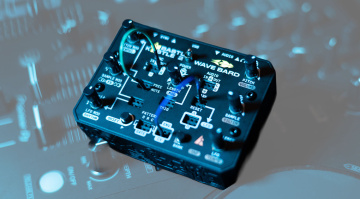
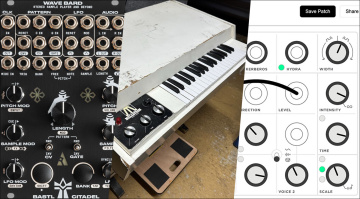
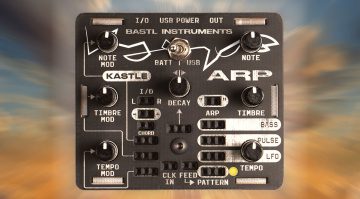
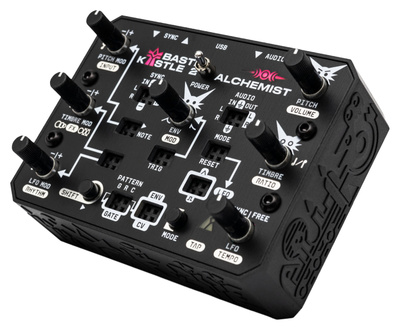
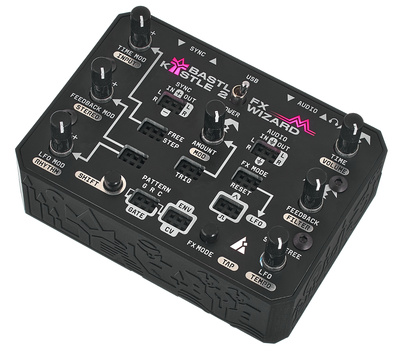
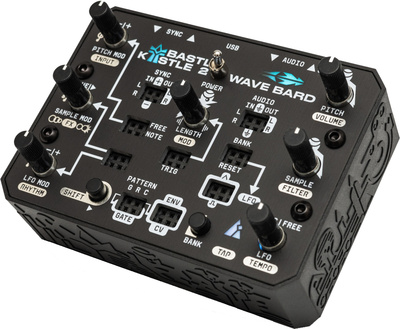
Citadel Alchemist is the latest release from Bastl in its ongoing swappable line of digital instruments and effects. It’s based on the Kastle 2 Alchemist desktop synth, which came out late last year. That brings the total of Kastle 2 devices to three: FX Wizard, a multi-effect; Wave Bard, a sample plater; and now Alchemist, a four-oscillator synthesizer. Interestingly, they all use the same core hardware but have different firmwares, which you can swap out. So even though you may buy an FX Wizard, you can change it to the Wave Bard by updating the firmware.
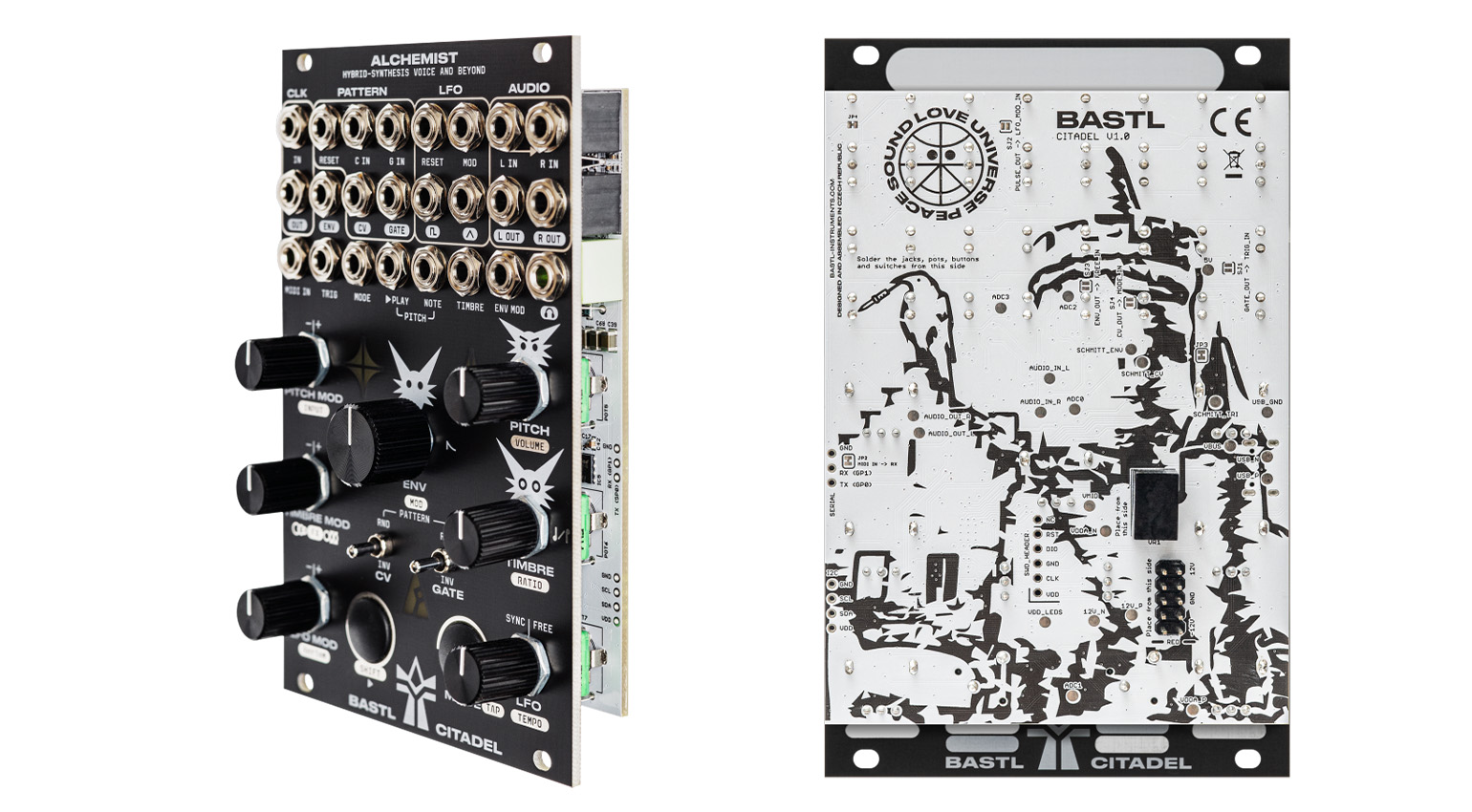
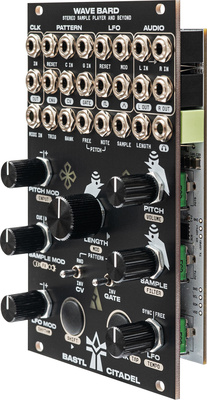
Bastle also makes Eurorack and has now released three in the Citadel line, which turn the Kastle 2 units into 16HP modules. (Get it? Kastle and Citadel?) So there’s Citadel FX Wizard, Citadel Wave Bard, and now Citadel Alchemist. And again, you can change the firmware to any other device in the lineup. To make this easier, they all have reversible faceplates, with Citadel FX Wizard and Wave Bard as a pair, and Alchemist doubled with Open Source on the other side – more on this soon.
All caught up?
Bastl Instruments Citadel Alchemist: Freaky Synthesizer Concoctions
Citadel Alchemist is a four-oscillator digital synth module with five modes: Filter, FM, Supersaw, Hypersine, and Glitchnoise. It’s got FM with feedback, raw waveform mixing, ring mod, track and hold, stereo noise, a stereo filter, and a transient shaper. You can hear those transients at work in the demo below. Snappy!
The Euro Alchemist also has effects, with delay to the left and chorus/flanger/distortion to the right.
It’s a full synth voice, so there’s pitch and timbre processing, an envelope knob and an LFO. There’s also an experimental sequencer with MIDI and USB out for controlling other modules, external hardware, and even your DAW.
Bastl Instruments Citadel Alchemist: DIY Time
Bastl has also announced that the Citadel Alchemist and all the other items in the Kastle/Citadel line are now available as DIY kits. They’re also selling faceplates for both the Eurorack and tabletop devices so you can swap out the fronts along with the firmware.
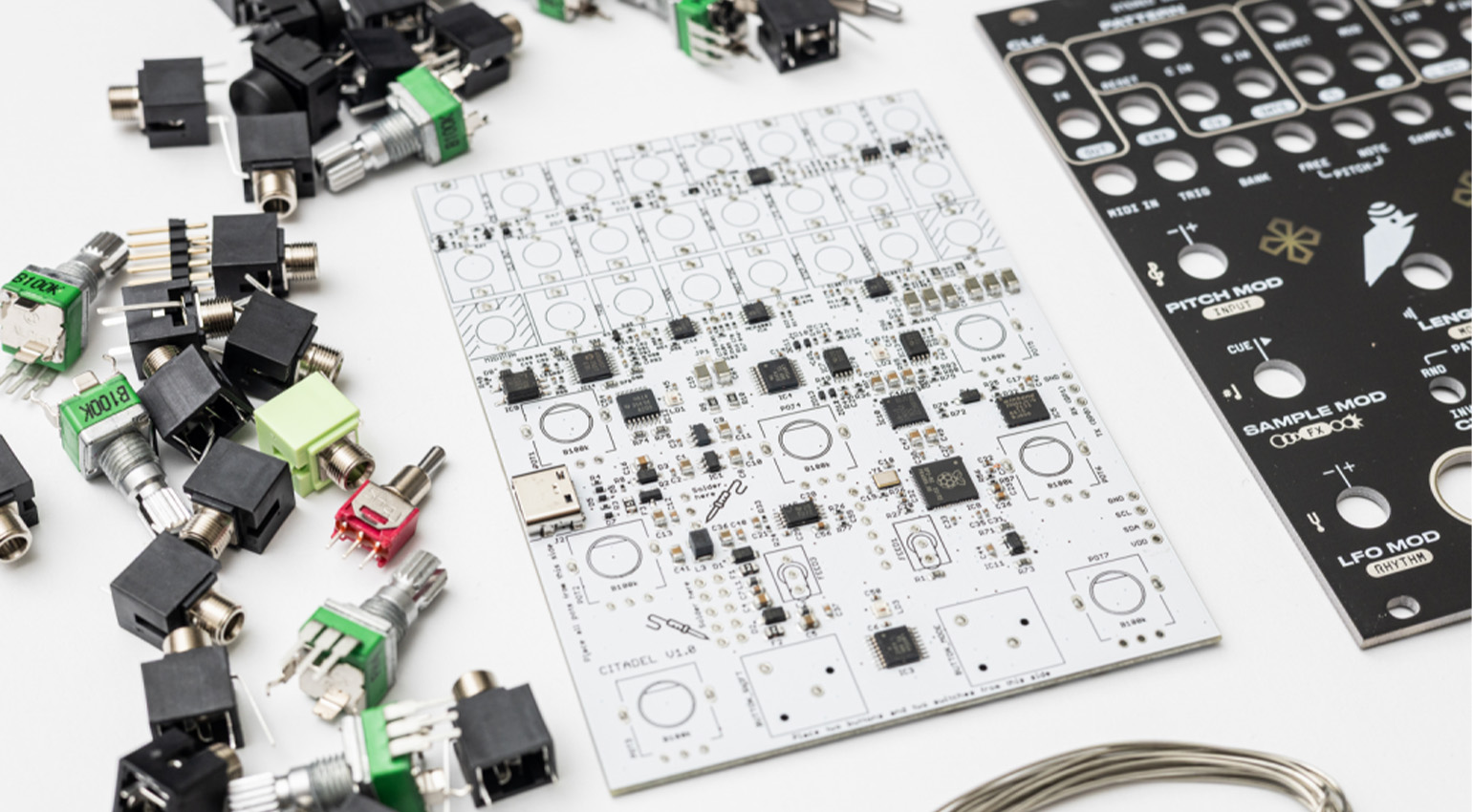
Bastl Instruments Citadel Alchemist: Open Source
Finally, that open source news. I mentioned that the Citadel Alchemist panel has an Open Source face on the rear. That’s to take advantage of the new open source configuration, which allows users to create their own effects and instruments using the code.
Most of the code is available along with schematics, panel templates, 3D cases and more. However, some things will remain proprietary, such as the Alchemist app, board layout, custom fonts and layout, and factory sample banks (available for download but not distribution).
You can visit the company’s Github for more.
Bastl Instruments Citadel Alchemist: Pricing and Availability
Citadel Alchemist is available now for €235 from Bastl. The DIY kit is €194.
Buy Bastl Instruments products at Thomann*.
More Information
- Bastl Instruments Citadel Alchemist product page
- Bastl Instruments DIY page
- All about Bastl Instruments
- All about synthesizers
*Note: This article contains advertising links that help us pay for this site. Don’t worry: the price for you will always be the same! If you buy something through these links, we will receive a small commission. Thank you for your support!

This might also interest you