Sound Collector: 3 Pieces of Gear for New Sounds and Tones – Perfect Match
Ideas for Field Recording, Sound Experiments, and Biofeedback Music

Sound Collector: 3 Pieces of Gear for New Sounds and Tones – Perfect Match · Source: Tascam / GEARNEWS

Our “Perfect Match” series highlights three products, from hardware to software, that work well together and can noticeably expand your workflow. This time, the focus is on turning you into a sound collector. Because new sounds and textures often lead to ideas that would not appear otherwise. “Hunters of Lost Sounds” could easily be the theme here, even if it sounds a bit cheesy. But that is exactly what this setup is about.
Sound Collector – Perfect Match
Sound Collector: The Idea Behind This Perfect Match
You probably know this situation. You are not in the studio, and suddenly something catches your attention. A sound, a rhythm, a melody in your head. Moments like these pass quickly. Being able to capture them right away can make all the difference.
Of course, a smartphone can do the job. It is always there and ready to record. And yes, it can even still make phone calls. For quick ideas, that is often enough.
But sometimes you want more. Higher resolution, better headroom, and a cleaner signal without worrying about clipping. And in many cases, proper stereo recordings simply feel more natural and closer to what you actually hear.
“Sound collectors,” however, take it a step further. They are not only ready to capture spontaneous moments, but actively search for unusual and often hidden sounds. And that is exactly where more specialized gear starts to make sense.
In this article, we take a closer look at that approach and also include one piece of gear that might feel a bit unusual at first. At the same time, this is only a small glimpse into a much broader field. There are many alternatives and completely different ways to approach this topic.
So this Perfect Match is not meant as a strict buying guide. Instead, it is a starting point, with a few additional directions you can explore along the way.
Field Recorders: Portable Recording Devices for Sound Collectors
As mentioned earlier, almost any smartphone can work as a portable recorder. With accessories like the Shure MV88+ Video Kit*, you can already achieve solid results. Still, a dedicated field recorder remains a very practical upgrade and makes a real difference for anyone who wants to capture sound more seriously.
The advantages are clear. The interface is built specifically for recording, the integrated microphones are designed for clean stereo capture, and modern 32 bit float recording largely eliminates the risk of clipping. On top of that, most devices offer inputs for external microphones, including phantom power, so you can expand your setup whenever needed.
Portable recorders are easy to take on trips, vacations, or short outings and are ready to capture high quality recordings within seconds. And it is not just about obvious sources like birds or water. City traffic, voices at a train station, or even the rhythm of windshield wipers can become valuable material for sound collectors.
There are already affordable options like the Zoom H1essential*, which delivers solid quality for under 100 euros. At the same time, more advanced recorders offer additional inputs, multi track recording, onboard effects, and extended routing options. If you want to go further, you will find plenty of suitable options here at Thomann*.
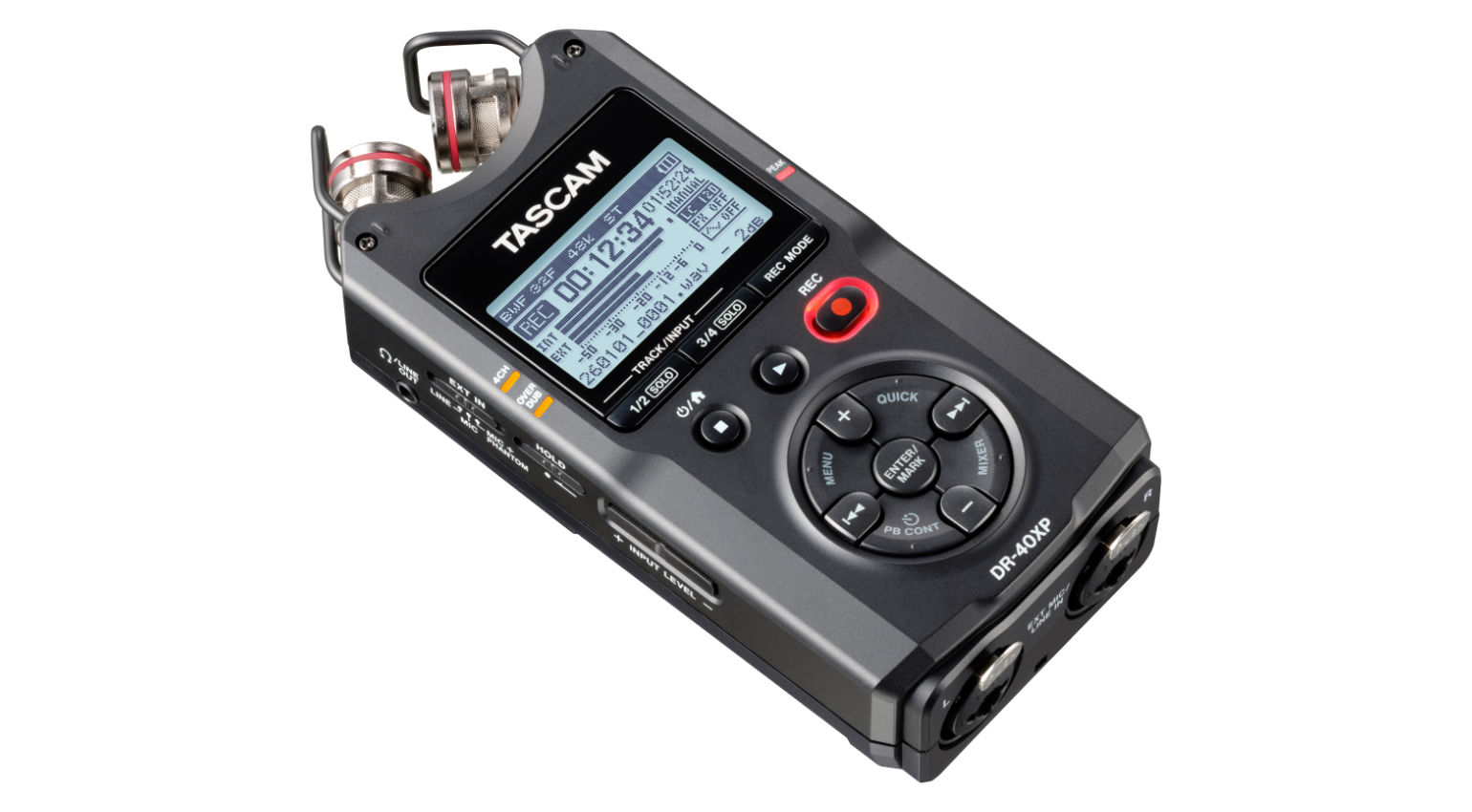
We also want to highlight the Tascam DR-40X, a portable 4-track recorder that can double as a USB-C audio interface. That alone already makes it a flexible option for both field recording and studio use. The two built-in condenser microphones support stereo recording and can be configured in AB or XY, depending on the situation. Recording runs in 32-bit float, so levels are much less of a concern, whether you work manually or rely on automatic settings.
On the input side, two XLR combo jacks with 48V phantom power allow you to connect external microphones, synthesizers, or other line sources. Features like a low-cut filter, limiter, and onboard reverb help shape the signal directly during recording. Monitoring is handled via the headphone output, so you always stay in control while capturing sounds.
In practice, this makes the DR-40X a compact all-rounder that fits a wide range of scenarios, from spontaneous field recordings to more structured sessions. Battery operation with AA cells keeps it mobile for extended use, making it a reliable companion for anyone building their own sound library. You can find the device here at Thomann*.


Contact Microphone and Matching Amplifier
A field recorder already gives you a strong foundation for capturing sounds anywhere. But if you want to go beyond typical recordings, contact microphones open up a completely different perspective.
Instead of recording sound in the air, they pick up vibrations directly from surfaces. That changes everything. Suddenly, everyday objects become sound sources. A tree trunk, a metal structure, or even a simple desk can reveal textures you would never hear otherwise.
That is exactly what makes them so interesting for sound collectors. You are no longer just documenting the environment. You are exploring it. And often, the most unexpected sounds come from the most ordinary places.
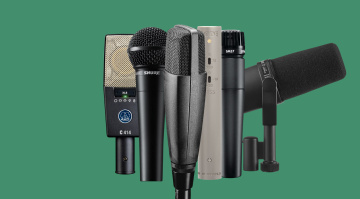
If a standard condenser microphone feels too predictable, more specialized options can take things much further. There are microphones for underwater recording, binaural setups with artificial heads, 360 degree capture systems, and many other niche tools. Browsing through the selection here at Thomann* can already spark new ideas.
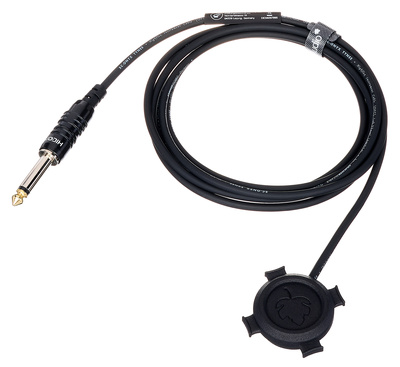
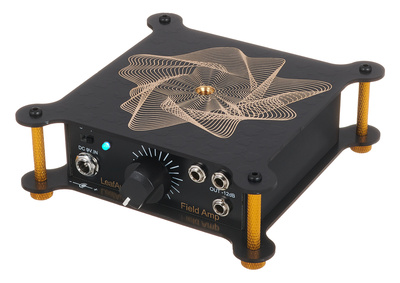
A solid starting point is a contact microphone like the Leaf Audio Contact Microphone. It is designed for capturing vibrations directly from surfaces and includes proper shielding to keep recordings clean. A two meter cable gives you enough flexibility in placement, and useful accessories like a clip, pole mount, and rubber bands make it easy to attach the mic to different objects.
In principle, you can connect the Leaf Audio Contact Microphone directly to an audio interface or a field recorder like the Tascam DR-40X via the combo XLR or jack input. For more demanding recordings, however, the optional Leaf Audio Field Amp can make a noticeable difference.
This compact preamp, which can also run on batteries, is designed specifically for contact microphones and Hi-Z signals. It provides up to 34 dB of gain, allowing you to capture much quieter and more detailed vibrations. At the same time, it prepares your setup for other specialized microphones like hydrophones or geophones.
You can purchase the Leaf Audio Contact Microphone and the Leaf Audio Field Amp here at Thomann*.

Capturing the Sounds of Plants with a Biofeedback Instrument
Now things get a bit more unusual. As a sound collector, you are already used to exploring unconventional sources, so why not look at bioelectrical signals as well?
This approach moves beyond traditional recording and taps into electrical activity within plants or other organic materials. That might sound abstract at first, and yes, it is definitely not for everyone. But that is exactly what makes it interesting.
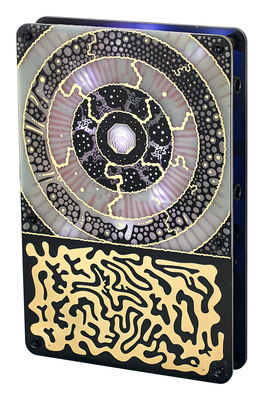
But if you have ever been curious about “The Secret Life of Plants,” a device like the Instruō Scíon opens up a completely different way of working with sound. It turns bioelectrical activity into something you can actually use musically.
Using sensors, you connect the system to plants, fruits, vegetables, or even fungi. The incoming signals are translated into musical data and processed by four internal sound engines, generating melodies, textures, and drones with up to five voices. Instead of controlling the sound directly, you are shaping a system that reacts to living processes.
At the same time, the generated MIDI data can be routed to external gear. This means you can control other synthesizers or software instruments with these organic signals. For experimental setups, this creates a workflow that feels less programmed and more discovered.
This portable biofeedback device runs on batteries, so like the other gear in this setup, you can take it anywhere. That makes it easy to head out, explore new environments, and capture material in a very different way.
For sound collectors, this turns into something like a real sound safari. You are not just recording what you hear, but discovering sources that behave unpredictably and often lead to completely new ideas back in the studio.
You can get the Instruō Scíon here at Thomann*.

Conclusion: This Trio Is a Perfect Match for Sound Collectors
This setup is all about field recording, foley sounds, nature recordings, industrial textures, and the search for new sonic material. With the gear presented here, you step into the role of a true sound collector.
A solid starting point is a portable recorder like the Tascam DR-40X. It records up to four tracks, offers a flexible stereo microphone setup, includes two professional inputs, and can even function as an audio interface when connected to a computer.
You can expand this setup with a range of specialized microphones*. Contact microphones are especially interesting for sound experiments. They turn your environment into a new sound source that invites exploration. That is why we included a contact mic from Leaf Audio, along with the matching Field Amp. Even though the mic can be connected directly to a recorder, the preamp helps you capture more detail and opens up additional possibilities.
The third piece takes things further into experimental territory. With a device like the Instruō Scíon, plants, fungi, fruits, and vegetables become musical sources. If you are looking for something completely different and enjoy pushing boundaries, this approach can lead to entirely new ideas.
Together, these three tools form a Perfect Match for anyone who wants to explore sound beyond the usual paths.
More Information
- The Sound Lab: 3 Cool Pieces of Gear for Creative Sound Exploration – Perfect Match!
- Ambient Gear 2026: 3x Hardware for a Perfect Match
- The Gearnews Guide to Field Recording
- Fred again.. Gear and Sound: Why Even Daft Punk Legend Thomas Bangalter Celebrates His Live Show
- More about Perfect Match
*Note: This review contains affiliate links that help support our site. The price remains the same for you. If you purchase through these links, we may receive a small commission. Thank you for supporting our work.

This might also interest you