Guitar Practice in 2026: How to Realistically Improve
New Year's Resolution that Doesn't Suck?

 4,6 / 5,0 |

Your guitar practice in 2026 is how you’re going to get better at your craft. As the new year starts, it’s time to set your goals for better guitar playing.
In this tips and tricks post, we’ll be looking at realistic targets to try and hit with your guitar playing. Aimed more at beginner at intermediate players, we’ll look at the skills and techniques that will help you improve the most.
Key Information about Guitar Practice for 2026
- New goals for your guitar playing should be small and achievable. Nothing too hard, but something that you’re currently struggling with that you’d like to master.
- Goals should have a timeframe to be completed by. From the entire year for complex skills, to a few months for easier concepts.
- Your guitar practice should be little and often. Short bursts of 20 minutes whenever you get time will fast-forward your progress.
Skills to Improve
Technical Practice
Okay, let’s get the boring stuff out of the way. I know that we all want to play some of rock’s best riffs far too fast, and far too loud. However, we’ve got a bit of groundwork to do before we get there.
What should you learn first on guitar? You’ll never go wrong with few open chord songs and some basic riffs. You know, the likes of Smoke On The Water and Brown Eyed Girl. The classics.
Here are a few essential skills that you should learn from the start. Whether you’re a beginner or a boss on the guitar, you’ll use these methods every day as a player. Never underestimate core techniques.
TAB Reading
What’s the most important skill to learn on guitar? Not fancy licks, as it turns out. As a guitar tutor, I teach students how to read TAB on day 1 of learning the guitar. TAB is short for tablature, and it’s how 99.9% of electric guitarists read music.
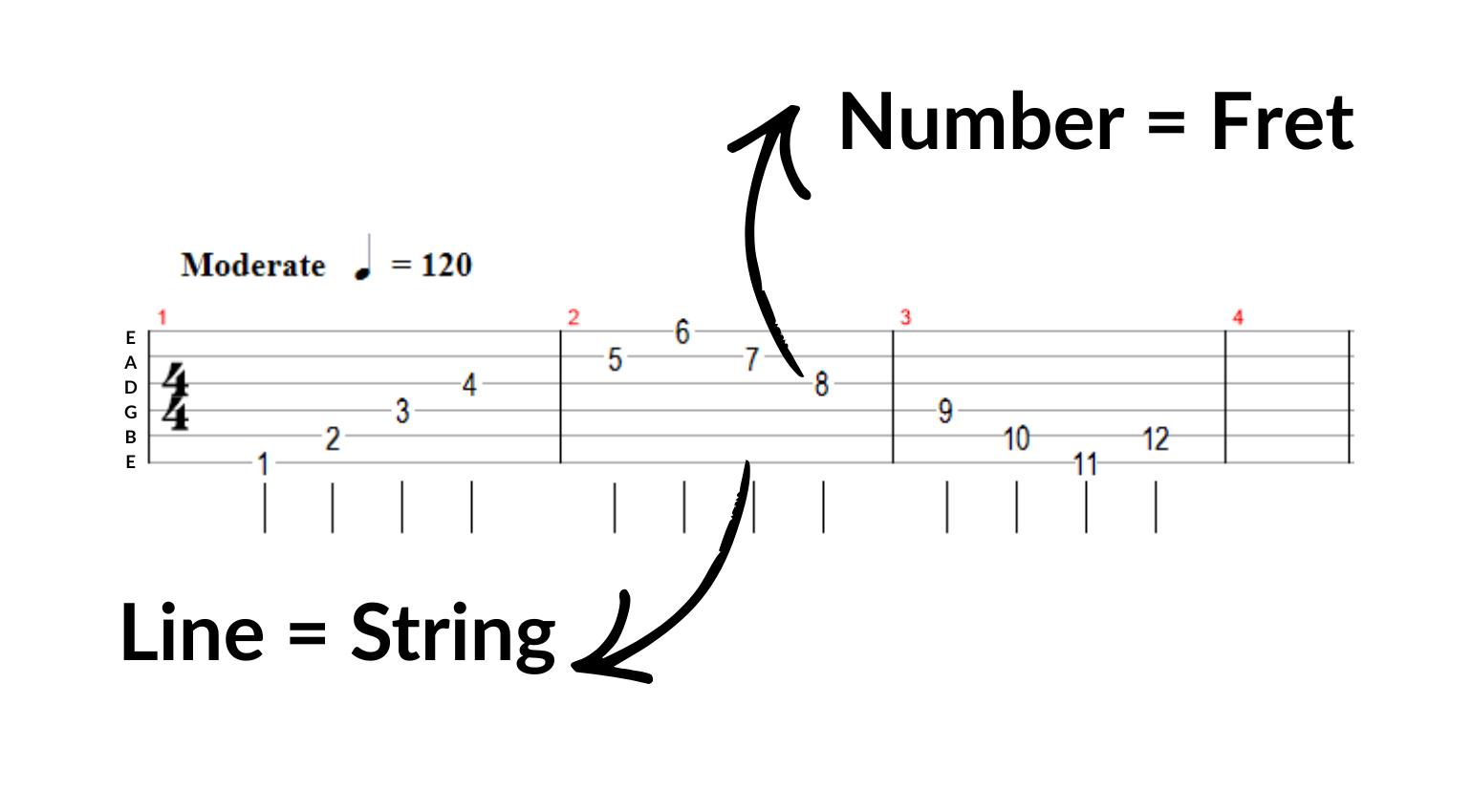
TAB uses a line and number system to help show players where to play. The horizontal lines on the stave refer to the strings of your guitar: E, A, D, G, B, & E. Furthermore, the numbers correspond to the frets on the guitar, each of which is numbered.
Aside from a basic understanding, you’ll eventually learn to read the symbols for various techniques. Slides, hammer-ons, bends, and vibrato, etc. For now, though, your lines and numbers will give you the keys for better guitar practice.
Scales
Guitarist or not, I’m sure you’ve heard of scales before. There’s a huge misconception amongst players about learning scales. They have a reputation for being some sort of archaic torture method for guitarists.
Luckily, this isn’t the case. At a beginner level, I’d advise learning just a few scales. What’s the benefit of this? It helps with hand-eye coordination and dexterity when you’re first starting out. Plus, it’ll start to develop your musical understanding.
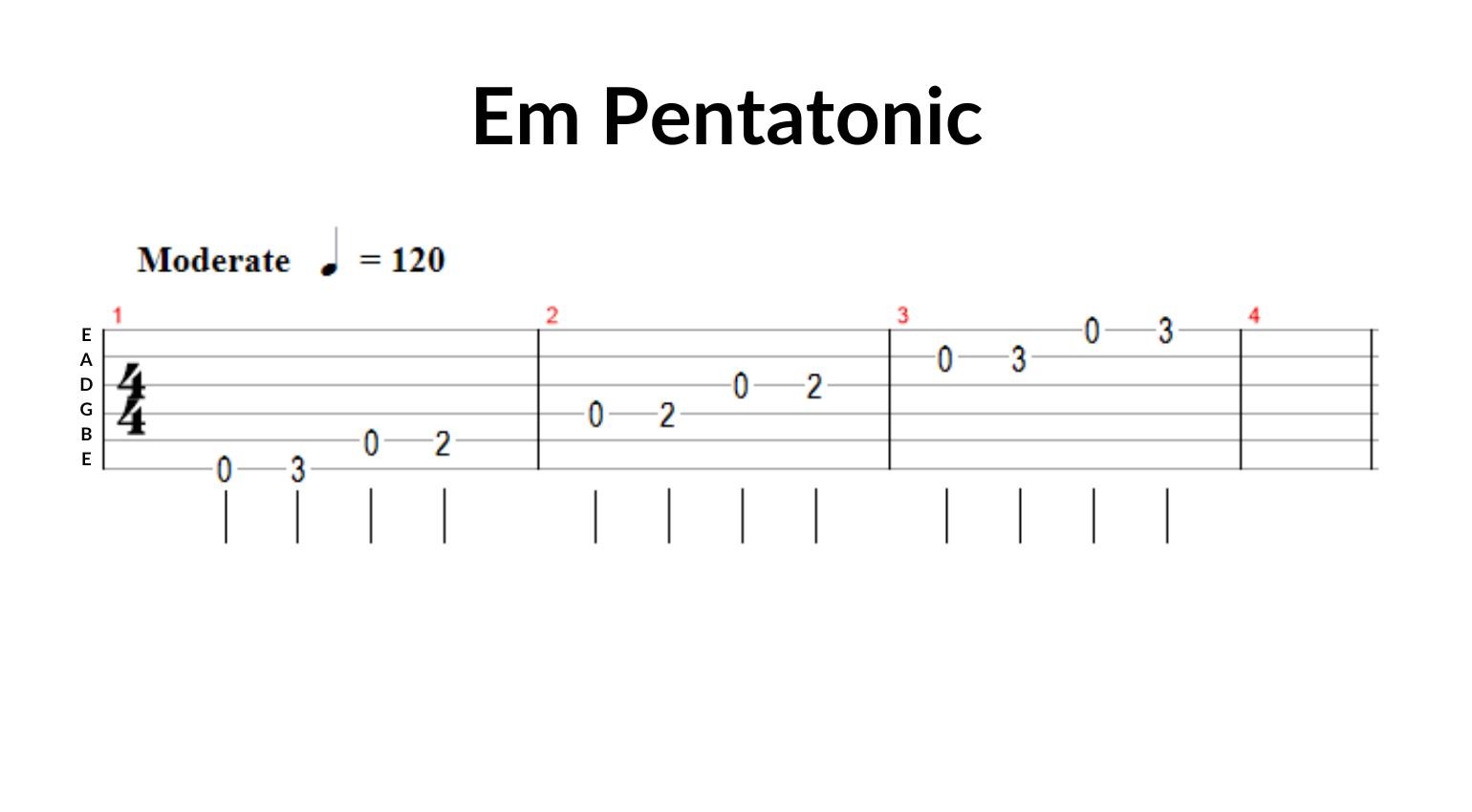
Further advantages include alternate picking and timing practice. The benefits are virtually endless. Refer to the image above, this is the open Em pentatonic scale. All you need is one finger, and your TAB knowledge from earlier. Play this a few times a day over a few weeks, and you’ll be amazed at how far you come.
Understanding Rhythms
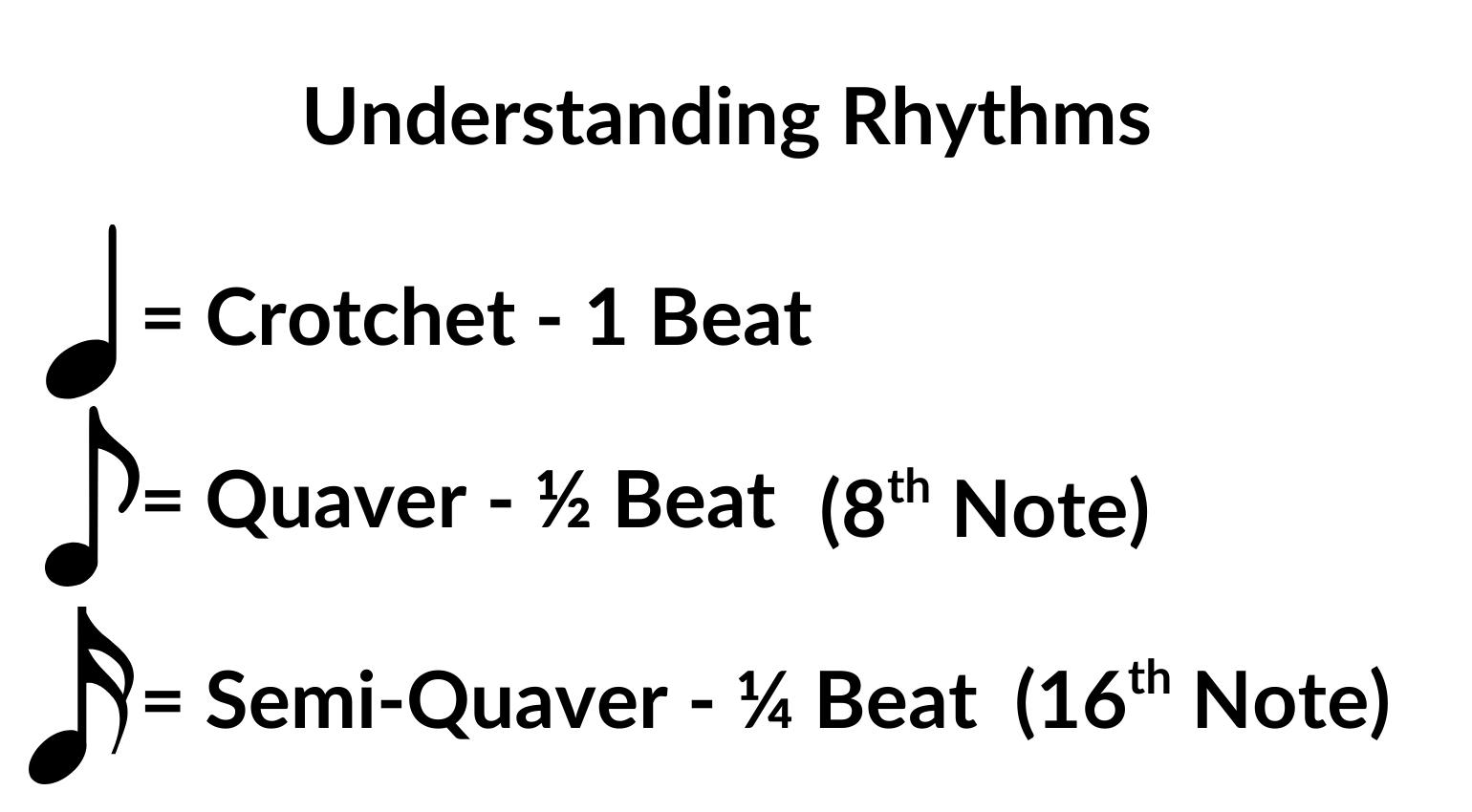
Another basic concept to get hold of for your guitar practice in 2026 is to understand basic rhythms. But I thought we were guitarists, not drummers? This is very true; however, we axe-wielding gods still need to know what these mythical symbols mean.
Barre Chords
Now that we’ve looked at some fundamental skills that you may wish to practice, or even revise, it’s time to get a little more serious when it comes to goal setting.
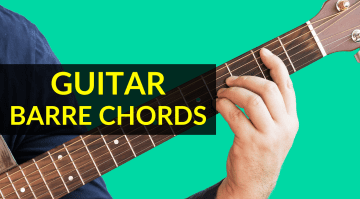
Barre chords are arguably one of the most misunderstood parts of playing the guitar. Sure, the shapes can be difficult to make, especially if you have motor issues in your hands. However, there are only four shapes that you’ll need!

Right, so there are definitely more than four barre chord shapes. But this is a great starting point. We have two, what we call, E shape barre chords; one major and one minor. From here, there are two A shape barre chords. Similarly, these are both major and minor. Four shapes, and a lot of practice, and you’ll have unlocked so many more songs on the guitar.
Power Chords
Now onto something a little more straightforward. Power chords are the perfect gateway into barre chords. They’re also the next logical step from basic open chord shapes.
Where open chords use a huge variety of shapes and rules, power chords use just one shape for every chord on the fretboard. Often referred to as ‘5’ chords, power chords use just the root note and the 5th note of the scale. All we need are two fingers for these.
Why are power chords important? They allow players to explore heavier genres of music, as well as acting as an instant cheat code when it comes to complicated chords. If you’re only experienced in open chords, power chords could be worth considering for your guitar practice in 2026.
Timing
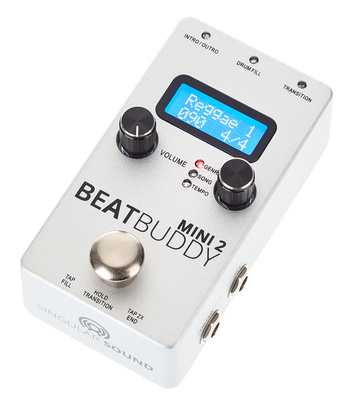
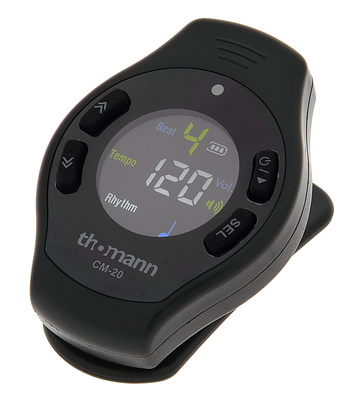
Back to rhythm now. Some of us have great natural timing that is innate. However, for others, accurate timing is something that has to be practised meticulously. Using a metronome or drum box is probably the best way to practice this skill.
This is very difficult concept to master in a quick online article. But, the best thing to do is to play with a metronome, and find where beat 1 of the bar is. Counting out loud really helps with this.
If you find yourself just creeping out of time occasionally and find the metronome too obtrusive, you could practice with a drum track or drum machine. This often provides better results.
Backing Tracks
My final way to help with guitar practice in 2026 is to use backing tracks. These are great for practising everything that we’ve looked at here, and more.
You could be jamming a new lick that you’ve learnt, rehearsing for your band, or even just jamming out to a blues backing track. Jam tracks provide solo guitarists with accompaniment, making playing and practising considerably more enjoyable. This will give you better results.
Backing tracks are also a great confidence booster! They show you how far you’ve come with certain skills or songs. Whatever song you’re working on, just punch the title into YouTube, and chances are there will be a track just for you.
Relevant Gear for Guitar Practice
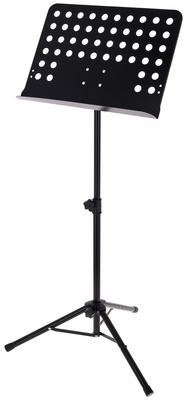
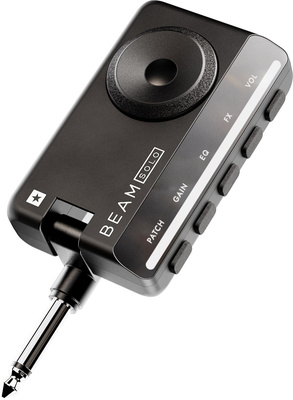
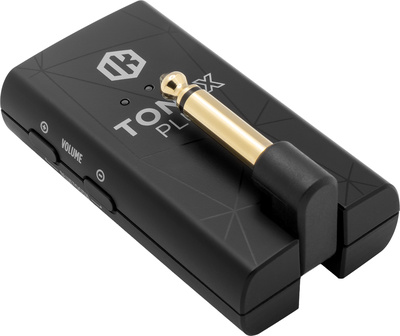
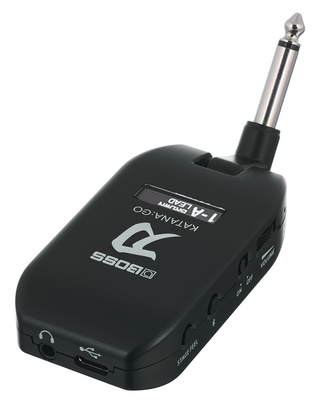
So, we’ve looked at a few ways how you can improve. But, what about pieces of gear to help you reach those goals? Here are a few practice aids that should help you with all of the above, and more.







Conclusion
As we can see, there are many aspects that we can work on. And we’ve only just scratched the surface. Realistically, the best way to improve is by setting small, short-term goals. That way, you’ll be able to tick them off across the year. Happy practising!
Further Information
*This post contains affiliate links and/or widgets. When you buy a product via our affiliate partner, we receive a small commission that helps support what we do. Don’t worry, you pay the same price. Thanks for your support!

This might also interest you